Featured
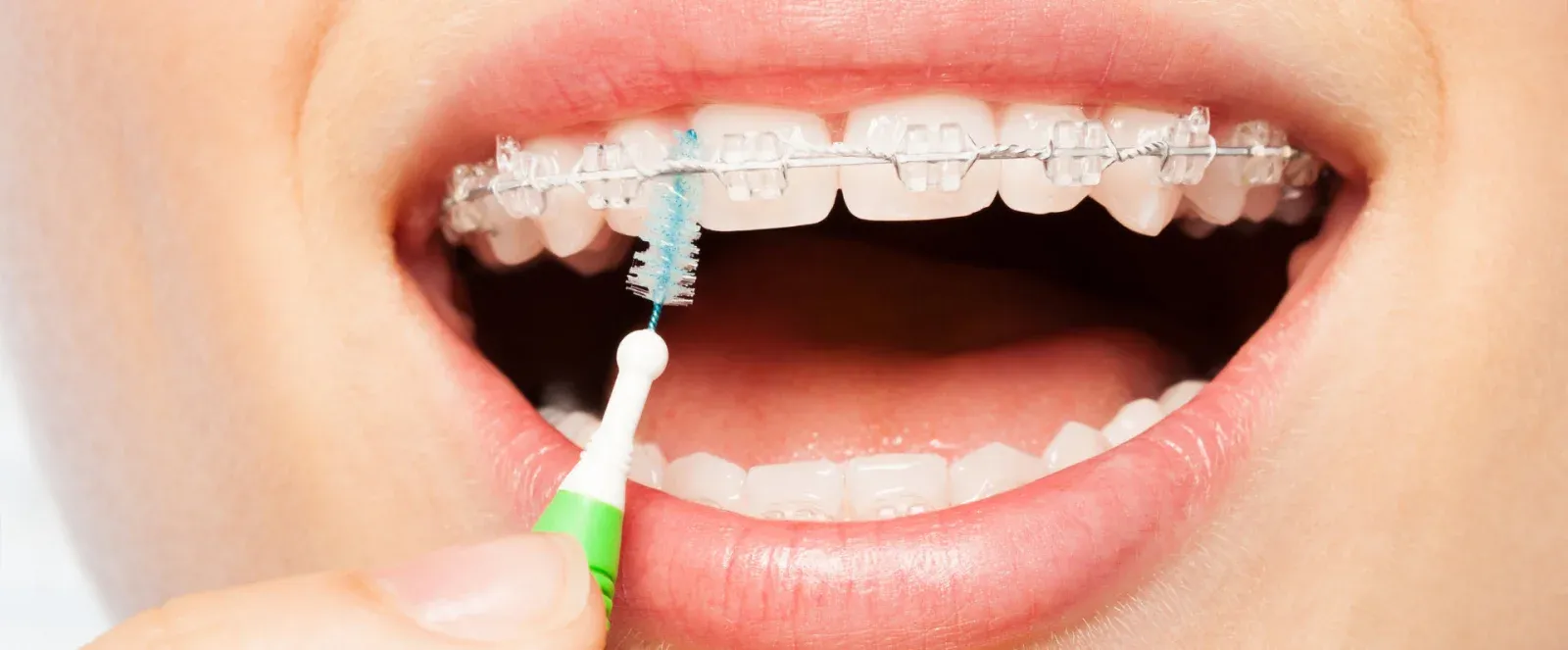
Diet Guidelines During Treatment with Braces
How to eat comfortably and successfully during your orthodontic treatment with braces or aligners
Read article




Teeth grinding, snoring, a smile you hide: Dr. Hakim from Frankfurt explains how your jaw and tooth position can affect sleep, focus and the way you show up.
Many people who give a lot in their everyday lives eventually notice that things are no longer going the way they used to. Focus does not hold, mood is thinner than usual, and by evening the energy that used to be a given is missing.
I am Dr. Mohammad Hakim, specialist orthodontist in Frankfurt. In this article I look at an area that rarely comes to mind with this topic: teeth and jaw. Nighttime grinding, snoring and a smile some people would rather hide can noticeably affect sleep, concentration and the way you show up – and in many cases something can be done about it.
Many people know the feeling: one wants to sleep but cannot settle. The jaw is working, and grinding and clenching sets in, the teeth rub against each other, and falling asleep does not get any easier.
What happens there is essentially strength training at the wrong time of day. The chewing muscles are among the strongest muscle groups in the body, and at night they work against themselves for hours. The muscles stay tense, the jaw and jaw joints are loaded, and pain often comes with it – sometimes radiating into the temples, the neck and the head.
The result is a chain that reinforces itself: poor sleep, missing recovery, daytime fatigue, a thinner mood – and less of what you actually want to achieve. And because grinding is often a stress response, a demanding day produces a restless night, which makes the next day more demanding.
The first and most important step is usually a custom-made night guard. It does not stop the grinding in your head, but it distributes the forces, protects the tooth substance and relieves the muscles and jaw joints. Many patients report after a short time that they wake up without that pulling sensation in the jaw.
Because the cause rarely sits in the mouth alone, we think further: physical therapy for the chewing muscles, relaxation exercises, and an honest look at where the tension comes from. The goal is to bring the load on jaw joints and muscles down far enough that it no longer costs you your sleep. Which types of appliances exist and what each is intended for is summarized in Dental Splints and Aligners.
Snoring is a topic the affected person rarely raises themselves – usually it is the partner. And very often both suffer: one because they never reach deep sleep, the other because they lie awake.
The causes can vary. Sometimes they lie in the ENT area, sometimes a disturbance of the oxygen supply is behind it. And sometimes it is simply the position of the jaw.
The connection is mechanical and easy to follow: when the lower jaw falls back during sleep, it narrows the airway. Air flows less freely – and that produces the sound. Oxygen supply can suffer as a result. This is exactly the point at which snoring stops being a comfort issue: a persistent lack of oxygen during sleep is considered a risk factor for the heart and blood vessels. That is no reason to panic, but a good reason to look into it rather than putting up with it for years.
If jaw position is the cause, there is an obvious solution: the snoring appliance, technically a mandibular advancement device.
It holds the lower jaw in a slightly forward position during sleep. This keeps the airway more open, breathing becomes calmer, sleep deeper – and the snoring can stop. It is worn at night only.
In my practice I work among other things with appliances made from high-performance polymer, designed for sustained load. With these devices that is not a luxury: at night they hold the jaw against its own pull, and cheaper materials give way quickly at that point.
Two points matter to me here:
But the boundary matters just as much to me: not every case of snoring is a jaw issue, and sleep apnea needs proper evaluation. When the findings point in that direction, I refer patients to a sleep laboratory or an ENT specialist. Making an appliance on suspicion alone would be the wrong path.
Only when the cause lies in a pronounced discrepancy between the jaws and a permanent correction is desired. For many patients no surgery is necessary – in that case the appliance is the obvious solution. This is decided after diagnostics, not before.
There is a third point that has nothing to do with sleep and still shapes how you move through your day: your smile.
Anyone who does not like stepping in front of a camera, who holds back in a meeting, who covers their mouth while speaking – they are not showing what they can do. Not for lack of competence, but because part of their attention is constantly somewhere else.
I regularly see how much this changes once the cause has been addressed. Patients perceive themselves differently after treatment, show up differently, are more at ease with themselves. That is not a side effect to be brushed over – for many people it is the actual reason they come in the first place. The misalignments that play the biggest role here are described in Smile Freely Instead of Hiding.
This is the most common objection at this point: “I cannot picture fixed braces in my line of work.” Understandable – and no longer necessary today.
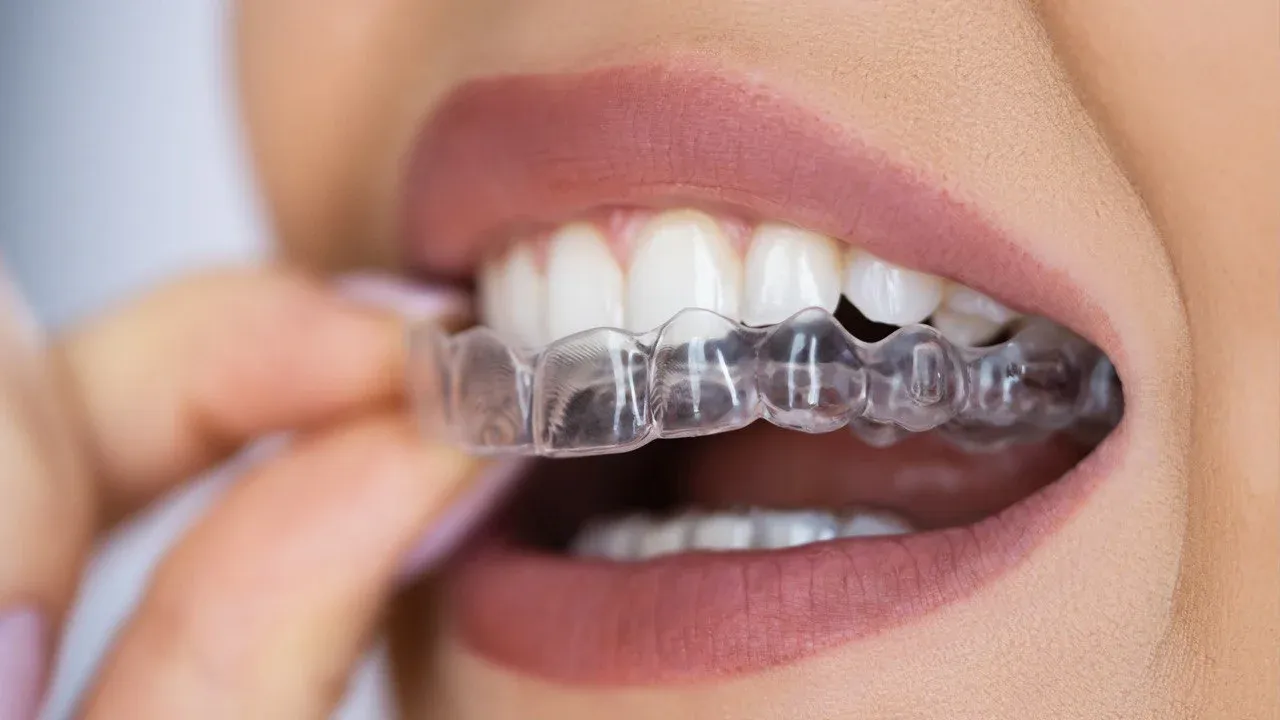
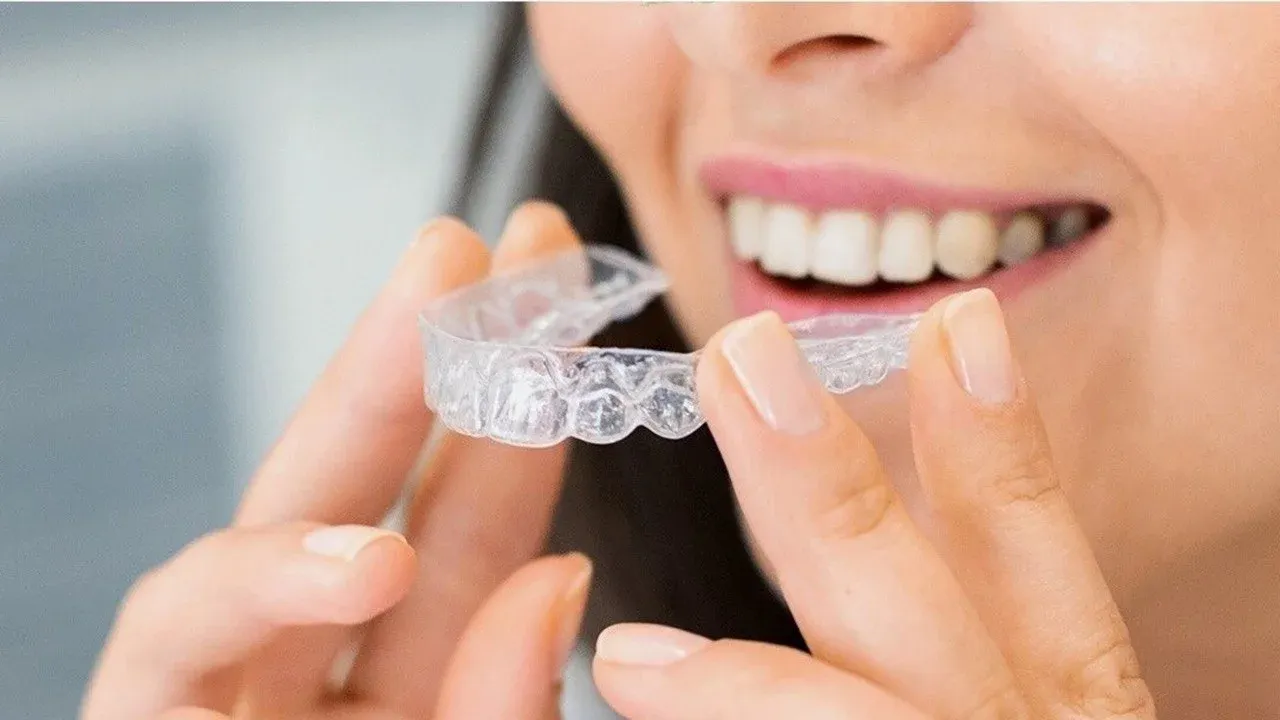
Clear aligner trays are, at good quality, barely noticeable in everyday life. What matters is less the product than the planning, and that is where the demand lies. What I pay particular attention to with patients who have a demanding working life:
How far the technology has come, and why modern aligners require less wear time, is covered in Innovative Aligner Therapy in Frankfurt.
All three topics – grinding, snoring, tooth position – have one thing in common: they cannot be treated from a description. That is why thorough diagnostics always come first.
We look at where you actually need support: does the snoring belong in a sleep laboratory or with an ENT specialist? Is there a jaw discrepancy that can be treated orthodontically? Is there dental treatment that needs to happen first? Is there a more pronounced discrepancy between the jaws, of the kind I describe in the article on dysgnathia?
Only once those questions are answered does a treatment plan take shape. Sometimes the answer is an appliance, sometimes aligner therapy, sometimes a referral to a colleague. What it should never be is a device made by someone who does not yet know the cause.
Grinding, snoring and a hidden smile look like three entirely separate topics. From where I sit they have a great deal in common: they cost sleep, energy and confidence – and in many cases there is a cause in the jaw that can be treated. What matters is that an honest diagnosis comes first, not a premature appliance.
Anyone who notices such signs in themselves can schedule a no-obligation consultation with Dr. Hakim in Frankfurt. We will look at tooth position, jaw function and the personal situation together and find out what genuinely helps.
Featured
Diet Guidelines During Treatment with Braces
How to eat comfortably and successfully during your orthodontic treatment with braces or aligners
Read articleFeatured
Oral Hygiene for Braces Wearers
Tips for effective oral hygiene with braces: avoid tooth decay, white spots, and inflammation. Keep your teeth and braces healthy throughout the treatment.
Read articleFeatured
Teeth Correction for Adults and Seniors
Find out how clear aligners, lingual braces or fixed braces can also correct aesthetic and functional problems later in life.
Read articleFeatured
CBCT in Orthodontics Frankfurt | Precise 3D Diagnostics & Planning
Find out why cone beam computed tomography (CBCT) is crucial for your teeth straightening. Precise, with a low radiation dose at Hakim Healthcare Frankfurt.
Read articleFeatured
Aligner Therapy Avoids Tooth Extraction
Gentle aligner therapy is often possible without removing teeth. Learn when extractions can be avoided – get advice from Dr. Hakim in Frankfurt.
Read articleFeatured
Orthodontics vs. Prosthodontics
Orthodontics or prosthetic solutions? Why correcting your teeth with aligners or fixed braces is healthier and more sustainable in the long run.
Read articleFeatured
Aligner Myths at Hakim Healthcare Frankfurt
The aligner mystery – what is actually true? Hakim Aesthetics clears up the most common misconceptions and shows you what aligners can really achieve.
Read articleFeatured
Aligner Tips from Hakim Healthcare Frankfurt
Are you wearing aligners or planning a treatment? The best tips and tricks for a fast, effective and comfortable tooth correction.
Read articleFeatured
Dental Monitoring – Smart Orthodontics
Innovative orthodontics with Dental Monitoring at Hakim Aesthetics in Frankfurt. More precise control, fewer appointments – for efficient tooth correction.
Read articleFeatured
Interdisciplinary Aesthetic Dentistry
Interdisciplinary aesthetic dentistry at your orthodontist - how you benefit from the interdisciplinary collaboration in our Frankfurt practice!
Read articleFeatured
Digital Workflow in Dentistry
AI in dentistry? How is that supposed to work? Find out how you benefit from the digital workflow in dentistry and where its limits are.
Read articleFeatured
Dysgnathia | Causes, Symptoms and Treatment
Dysgnathia refers to a misalignment of the jaw. We explain the causes, the symptoms and the treatment options that are available to you.
Read articleFeatured
Overbite – Causes, Effects and Treatment
Correcting an overbite in Frankfurt – without surgery, without extraction. Dr. Hakim explains causes, effects & all treatment options. ✓ Personal initial consultation
Read articleFeatured
Gaps Between Teeth – Causes and Treatment
A gap between your teeth can look charming. But not everyone likes a gap between their teeth. We explain the treatment options available to you.
Read articleFeatured
Open Bite – Causes and Treatment
Treating an open bite – discreet & effective. Dr. Hakim, orthodontist in Frankfurt, explains all the options: aligners, fixed & removable braces.
Read articleFeatured
Crossbite – Causes and Treatment
A crossbite affects not only your appearance but also the function of your bite considerably. How a crossbite can be prevented and treated.
Read articleFeatured
Dental Splints and Aligners for Every Need
Correct misaligned teeth effectively but discreetly with a clear aligner or a dental splint.
Read articleFeatured
Options for Teeth Correction
A radiant smile adds a great deal to your self-confidence. Hakim Aesthetics orthodontics shows you the right solution for your teeth correction.
Read articleFeatured
Permanent Retainer: Lasting Tooth Correction
To make sure a tooth correction leads to lasting results, we use retainers. We explain what retainers are and when they are used.
Read articleFeatured
How Misaligned Teeth Can Be Treated
Misaligned teeth are widespread and disturb the visual appearance. We explain how they can be treated.
Read articleFeatured
Braces for Adults - Our Service
Braces for adults in Frankfurt – discreet & modern. Dr. Hakim offers fixed brackets, lingual braces & aligners. ✓ Arrange your consultation now.
Read articleFeatured
Straight Teeth for Adults
Straight teeth for adults in Frankfurt – with clear aligners or braces. Dr. Hakim advises you personally. ✓ Discreet, fast & without extraction.
Read article