Featured
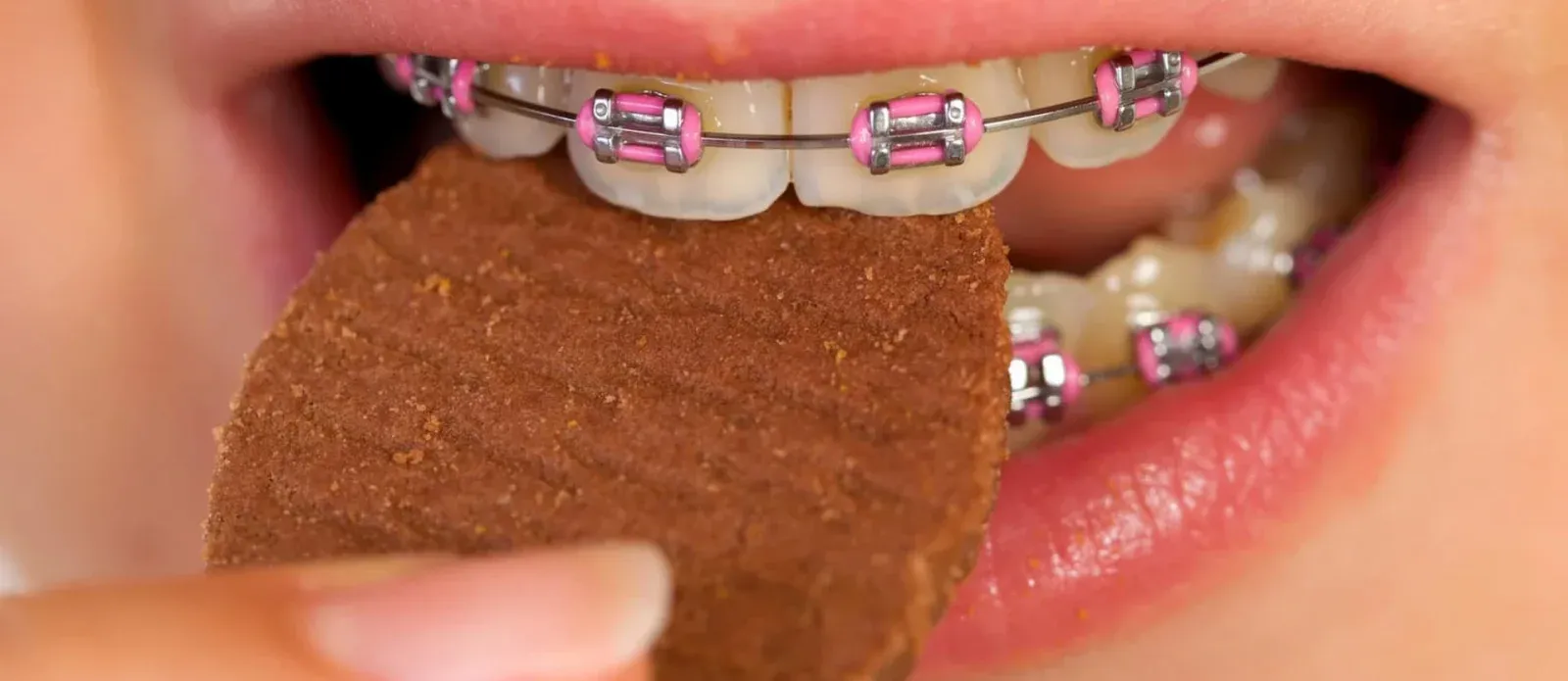
Diet Guidelines During Treatment with Braces
How to eat comfortably and successfully during your orthodontic treatment with braces or aligners
Read article



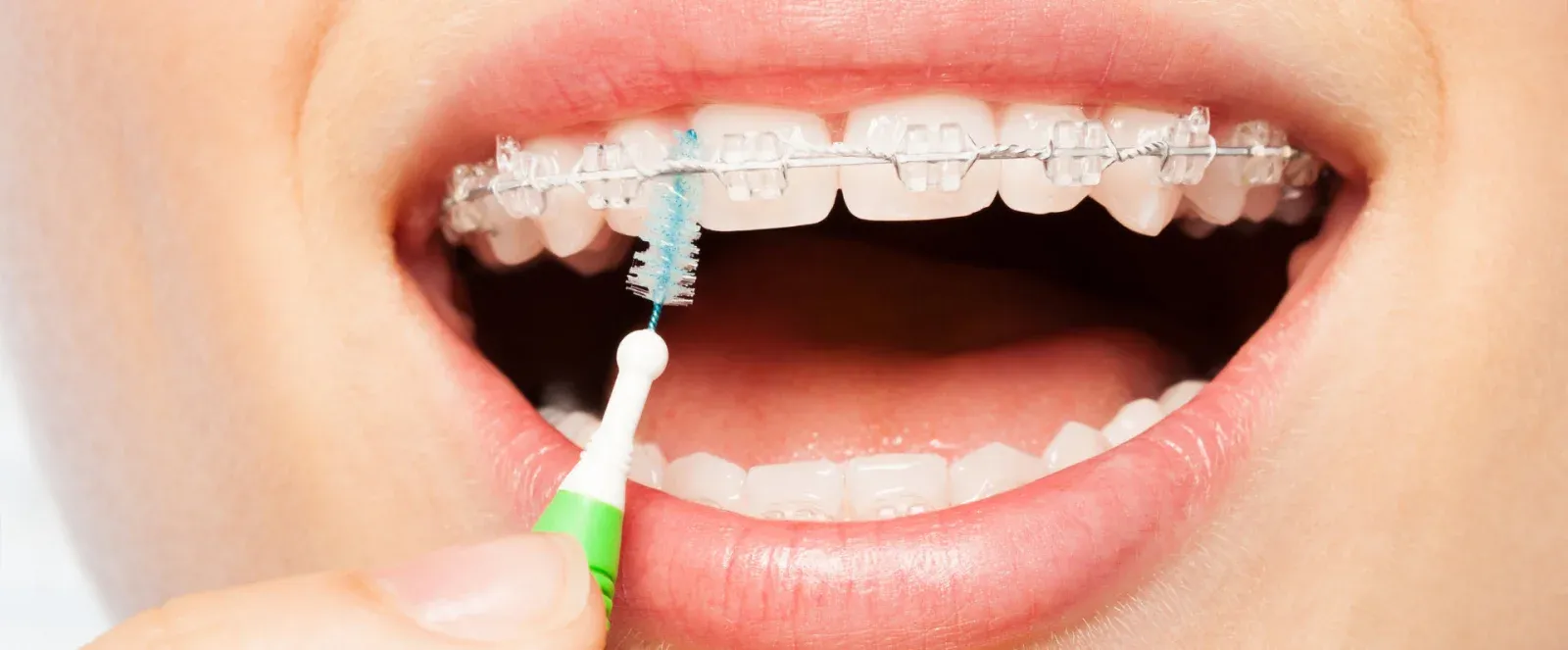
Tips for effective oral hygiene with braces: avoid tooth decay, white spots, and inflammation. Keep your teeth and braces healthy throughout the treatment.
The essentials at a glance
A radiant smile is no accident – and during treatment with braces, thorough dental care determines your health, aesthetics, and well-being. Modern orthodontic therapies such as fixed braces, ceramic brackets, lingual systems, or clear aligners not only deliver the desired result, they also place entirely new demands on oral hygiene.
Which risks exist, how do cleaning strategies differ depending on the appliance, and which dental care tips lead to healthy teeth – this blog article gives the practical answers for everyone who wants to accompany their tooth correction safely and confidently.
Oral hygiene, when braces are being worn, is a central aspect of every modern orthodontic treatment. Applied correctly, it protects your teeth from the most common and most feared side effects:
The challenge: Every orthodontic appliance creates new niches where debris collects. Food residue and deposits cling stubbornly to metal, ceramic, or aligner material, which noticeably increases the risk of inflammation, discoloration, and lasting damage. Children and teenagers in particular need motivating support and structured routines here – because neglect stays visible long after the treatment.
Conclusion: During treatment with braces, oral hygiene is not an option but the prerequisite for your smile to stay healthy after the therapy as well.
Fixed systems, whether the classic metal version or modern ceramic brackets, put your dental care technique to the test. Food residue stays behind between wires, brackets, and elastics, and is barely reachable with a normal toothbrush. The risk of plaque and inflammation is also greatest here. That is why special brushes – for example with a small head and soft bristles –, interdental brushes, and innovative cleaning devices are a must for everyone wearing fixed braces.
Lingual appliances are attached to the inner surface of the teeth. That makes them almost invisible, but it calls for especially careful brushing techniques for hard-to-reach spots in the lower dental arch and at the base of the tongue. Experience with angled brushes and floss holders pays off here, so that every niche is reached properly.
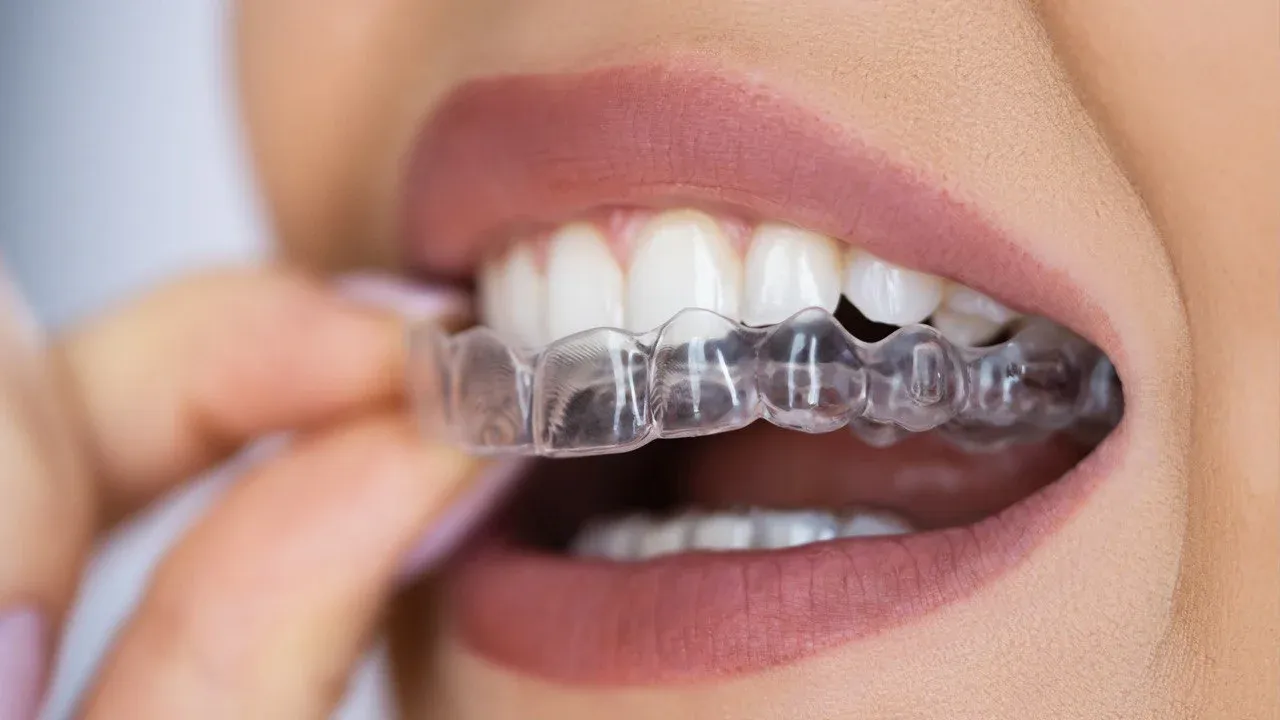
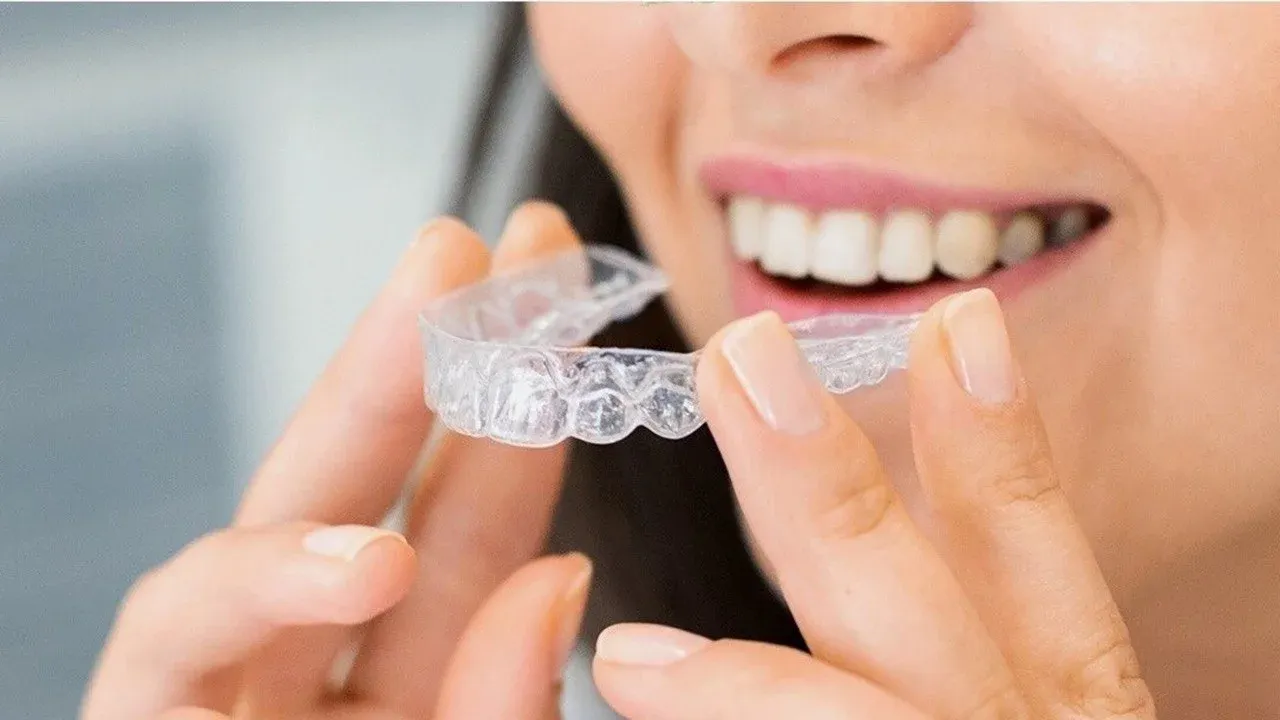
Clear aligners can be taken out for eating and cleaning – that makes many things easier, but it carries different risks. Deposits on the teeth or on the aligner itself are practically “sealed in” when it is put back on – the consequences are rapid accumulations of bacteria, bad breath, and tooth decay. Regular, thorough cleaning of the aligners (ideally with special brushes and cleaning tablets) as well as consistent brushing before every insertion protect the result here.
Modern electric toothbrushes with a round or elongated head and oscillating, rotating, or sonic movements make removing plaque considerably easier. Special attachments for fixed braces help keep the edges and the spaces in between clean – replace the brush head after two months at the latest!
Combine your daily dental care with antibacterial mouth rinses and fluoride toothpastes or gels. They strengthen the enamel, protect against tooth decay, and support the balance in your mouth. With minor inflammation along the gum line in particular, mouth rinses bring noticeable relief.
Sticky, sugary snacks and starchy foods easily get caught in the brackets or under aligners – which can mean increased plaque buildup and a higher risk of tooth decay. Go for high-fiber, crunchy food instead – vegetables and firm fruit support the self-cleaning of the tooth surfaces and stimulate the flow of saliva.
Warning signs: Bleeding, painful, or swollen gums, bad breath, white spots, rough patches, or visible deposits – talk to your treatment team directly and don’t leave any changes unnoticed!
Regular professional dental cleanings (ideally three to four times a year) remove residual deposits and tartar that remain despite optimal dental care with braces. Specialized prophylaxis teams use ultrasound, air polishing, and precise instruments to clean all the “critical” areas around brackets, wires, and edges. For children, teenagers, and people with busy schedules, this support is especially valuable, since mistakes in the routine are recognized and corrected early.
Digital diagnostics with intraoral scanners and 3D visualization identifies problem areas, documents changes in the enamel, and confirms the success of the current care routine. Early adjustments prevent lasting damage and protect the smile for the future!
Your goal: Oral hygiene with braces becomes an automatic, worry-free daily routine – that is how you internalize healthy dental care, even with braces!
At least three times a day – a thorough cleaning after every meal, so that plaque and food residue are removed right away and gum disease is prevented.
A toothbrush with a small head, interdental brushes in the right size, and superfloss as your floss – never forget the areas around brackets and wires. Always brush at a 45 degree angle and use a fluoride toothpaste.
Tell your treatment team right away. Symptoms like these point to gaps in your routine – the sooner you react, the better the result can be protected.
Clean them with a soft brush and water every time you take them out, use special cleaning tablets, and avoid abrasive toothpaste. Always place the aligner on freshly brushed teeth.
Three to four professional cleanings per year protect the treatment result, prevent white spots, and keep your gums and enamel healthy.
Do you want to correct misaligned teeth discreetly and are looking for individual advice?
Schedule a consultation at Hakim Healthcare on Frankfurt's Zeil now – for your exclusive, empathetic, and highly modern treatment. Let's make your smile healthy and beautiful together!
Featured
Diet Guidelines During Treatment with Braces
How to eat comfortably and successfully during your orthodontic treatment with braces or aligners
Read articleFeatured
Oral Hygiene for Braces Wearers
Tips for effective oral hygiene with braces: avoid tooth decay, white spots, and inflammation. Keep your teeth and braces healthy throughout the treatment.
Read articleFeatured
Teeth Correction for Adults and Seniors
Find out how clear aligners, lingual braces or fixed braces can also correct aesthetic and functional problems later in life.
Read articleFeatured
CBCT in Orthodontics Frankfurt | Precise 3D Diagnostics & Planning
Find out why cone beam computed tomography (CBCT) is crucial for your teeth straightening. Precise, with a low radiation dose at Hakim Healthcare Frankfurt.
Read articleFeatured
Aligner Therapy Avoids Tooth Extraction
Gentle aligner therapy is often possible without removing teeth. Learn when extractions can be avoided – get advice from Dr. Hakim in Frankfurt.
Read articleFeatured
Orthodontics vs. Prosthodontics
Orthodontics or prosthetic solutions? Why correcting your teeth with aligners or fixed braces is healthier and more sustainable in the long run.
Read articleFeatured
Aligner Myths at Hakim Healthcare Frankfurt
The aligner mystery – what is actually true? Hakim Aesthetics clears up the most common misconceptions and shows you what aligners can really achieve.
Read articleFeatured
Aligner Tips from Hakim Healthcare Frankfurt
Are you wearing aligners or planning a treatment? The best tips and tricks for a fast, effective and comfortable tooth correction.
Read articleFeatured
Dental Monitoring – Smart Orthodontics
Innovative orthodontics with Dental Monitoring at Hakim Aesthetics in Frankfurt. More precise control, fewer appointments – for efficient tooth correction.
Read articleFeatured
Interdisciplinary Aesthetic Dentistry
Interdisciplinary aesthetic dentistry at your orthodontist - how you benefit from the interdisciplinary collaboration in our Frankfurt practice!
Read articleFeatured
Digital Workflow in Dentistry
AI in dentistry? How is that supposed to work? Find out how you benefit from the digital workflow in dentistry and where its limits are.
Read articleFeatured
Dysgnathia | Causes, Symptoms and Treatment
Dysgnathia refers to a misalignment of the jaw. We explain the causes, the symptoms and the treatment options that are available to you.
Read articleFeatured
Overbite – Causes, Effects and Treatment
Correcting an overbite in Frankfurt – without surgery, without extraction. Dr. Hakim explains causes, effects & all treatment options. ✓ Personal initial consultation
Read articleFeatured
Gaps Between Teeth – Causes and Treatment
A gap between your teeth can look charming. But not everyone likes a gap between their teeth. We explain the treatment options available to you.
Read articleFeatured
Open Bite – Causes and Treatment
Treating an open bite – discreet & effective. Dr. Hakim, orthodontist in Frankfurt, explains all the options: aligners, fixed & removable braces.
Read articleFeatured
Crossbite – Causes and Treatment
A crossbite affects not only your appearance but also the function of your bite considerably. How a crossbite can be prevented and treated.
Read articleFeatured
Dental Splints and Aligners for Every Need
Correct misaligned teeth effectively but discreetly with a clear aligner or a dental splint.
Read articleFeatured
Options for Teeth Correction
A radiant smile adds a great deal to your self-confidence. Hakim Aesthetics orthodontics shows you the right solution for your teeth correction.
Read articleFeatured
Permanent Retainer: Lasting Tooth Correction
To make sure a tooth correction leads to lasting results, we use retainers. We explain what retainers are and when they are used.
Read articleFeatured
How Misaligned Teeth Can Be Treated
Misaligned teeth are widespread and disturb the visual appearance. We explain how they can be treated.
Read articleFeatured
Braces for Adults - Our Service
Braces for adults in Frankfurt – discreet & modern. Dr. Hakim offers fixed brackets, lingual braces & aligners. ✓ Arrange your consultation now.
Read articleFeatured
Straight Teeth for Adults
Straight teeth for adults in Frankfurt – with clear aligners or braces. Dr. Hakim advises you personally. ✓ Discreet, fast & without extraction.
Read article