Featured
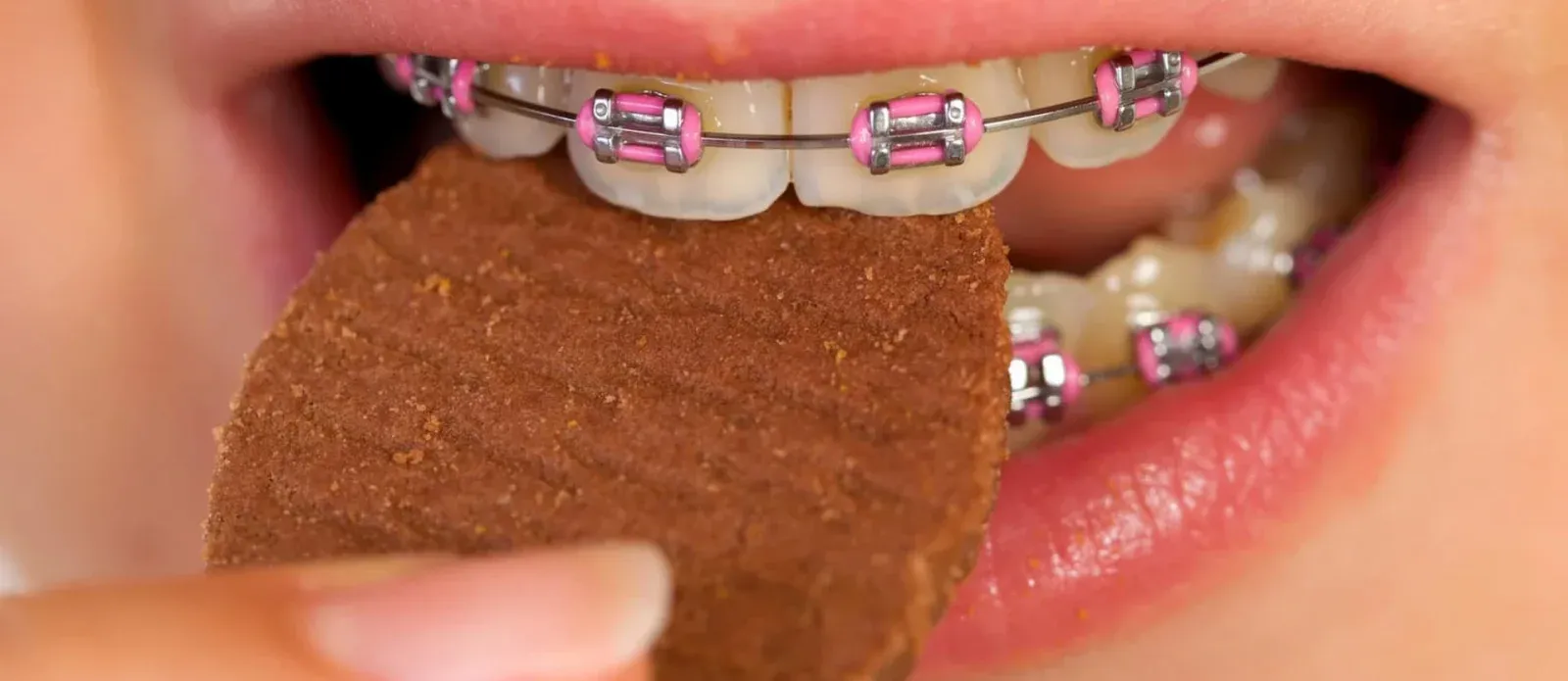
Diet Guidelines During Treatment with Braces
How to eat comfortably and successfully during your orthodontic treatment with braces or aligners
Read article



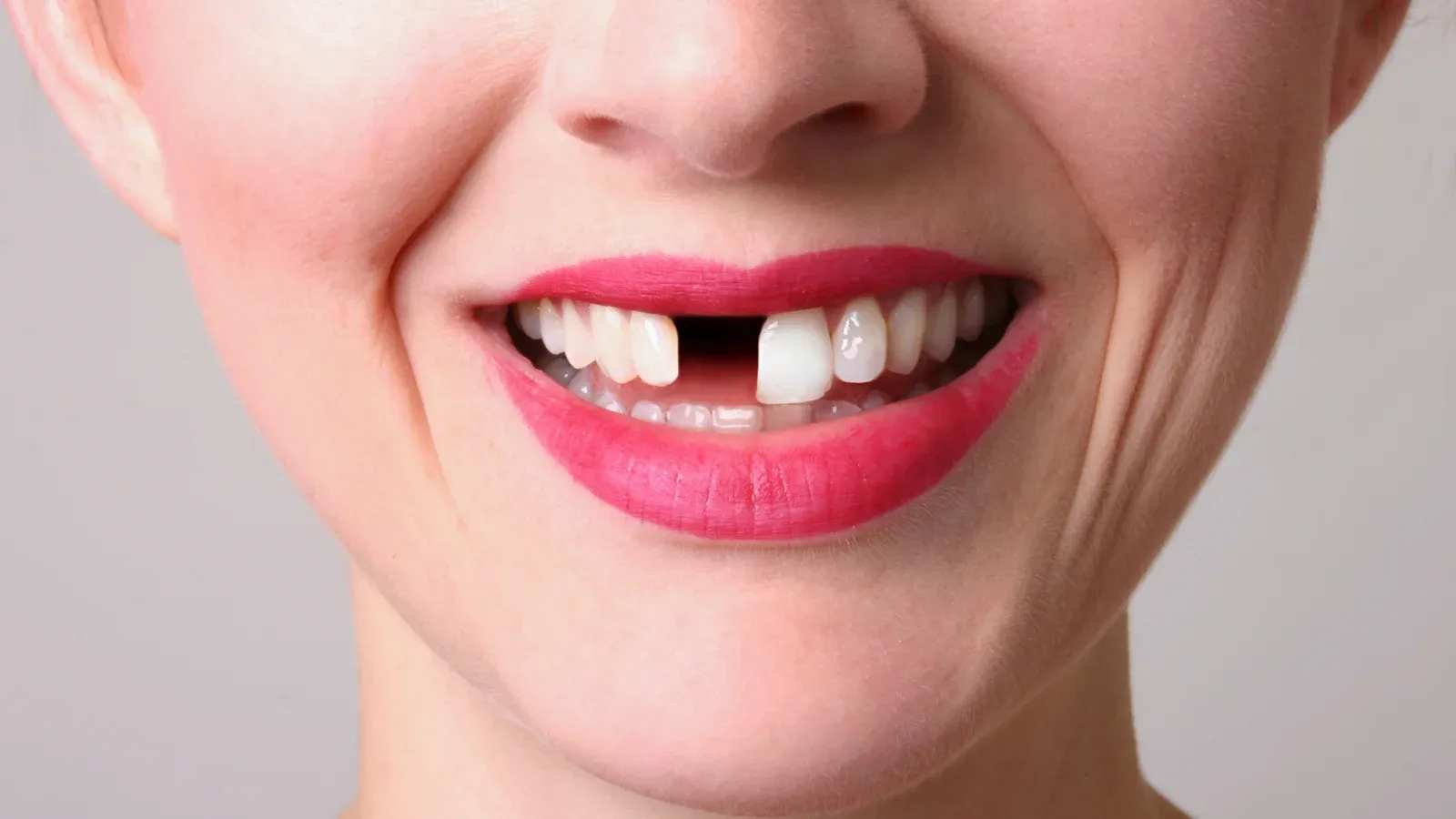
A gap between your teeth can look charming. But not everyone likes a gap between their teeth. We explain the treatment options available to you.
A gap between your teeth can certainly be a charming feature, but not everyone feels comfortable with it. Especially when the gap not only bothers you when you smile, but also causes practical problems with speaking or chewing.
But there is no reason to worry. At Dr. Hakim Aesthetics, we specialize in addressing aesthetic and functional challenges like these with care and precision. Our experienced team is ready to find the ideal solution for you, so that you can shine with full confidence again. It is best to arrange an appointment right away, so that we can discuss together which treatment options can help you achieve a beautiful, gap-free smile.
Personal consultation and tailored treatment
Gaps between teeth develop for a variety of reasons. It is important, however, that we know the exact cause so that we can plan the best treatment for you. At Dr. Hakim Aesthetics, we take the time to find out exactly that. Below you will find an overview of the most common causes of gaps between teeth:
Some people naturally have smaller or larger gaps between their teeth. In most cases, these go back to genetic characteristics such as teeth of unequal size or teeth arranged irregularly. Depending on the cause, different treatment options may be considered: from orthodontic measures all the way to prosthodontics.
For genetic reasons, some permanent teeth never develop. In such cases, treatment makes a great deal of sense for the long-term stability of your dentition. For minors, health insurance can in many cases be expected to contribute as well. If teeth are missing, you should definitely seek detailed advice about the consequences and the treatment options available.
Some diseases of the teeth or gums can result in tooth loss and therefore in gaps between the teeth. Tooth decay, for example, destroys the tooth structure and, if left untreated, leads to the loss of the tooth. Periodontitis is an inflammation of the gums, which as it progresses lose their supporting function, so that the teeth become loose and eventually fall out. With good oral hygiene and regular dental check-ups, however, these disease-related gaps can usually be avoided.
A heavy impact in a fall or a sports or traffic accident can severely damage one or more teeth or even knock them out completely. In such cases, immediate dental treatment of the resulting gaps at our practice is necessary in order to prevent the complete loss of the affected teeth, or to allow the dentition to be restored with as few complications as possible.
If malfunctions are present, such as the teeth biting together incorrectly or excessive pressure from the tongue, gaps between the teeth can develop as a result. It is particularly important here that, alongside the orthodontic treatment, the malfunction is also corrected — for example, that the forward pressing of the tongue is stopped. These unfavorable patterns, which are known as habits, can be resolved well with the appropriate treatment.
Gaps between teeth can have far-reaching consequences. The most obvious effect is the appearance. In the area of the front teeth in particular, gaps are clearly visible and, depending on their size and position, can considerably disturb the aesthetic perception of the person affected. In our practice we often see that people with gaps between their teeth have less self-confidence and smile less often. Many also deliberately cover their mouth when speaking because they feel uncomfortable with the gap. In the worst case, this insecurity or even shame can also affect other social contacts, which has a negative impact on private or professional life.
In addition to these aesthetic and possible psychological effects, gaps between the teeth can also result in a range of functional problems. Missing teeth can, for example, make chewing more difficult, which among other things can lead to digestive problems. Since the teeth also play an important role in speaking, gaps can affect the ability to speak clearly, which in some of our patients shows up as a lisp or as difficulty producing sibilant sounds.
Not least, a gap between the teeth can also cause the neighboring teeth to shift into that gap. This can destabilize the entire row of teeth and cause other problems in the long term. These include, for example, jaw problems such as clicking and grinding, tension or persistent pain in the area of the temporomandibular joints.
That makes it all the more important that you have your gaps treated early and appropriately. Dr. Hakim offers various treatment options for this, in order to help you achieve a healthy, functional and attractive smile that lastingly improves your self-confidence and your quality of life.
In dentistry, various options are available to us for closing gaps between the teeth. Each of them has specific advantages. However, which treatment is best suited to you depends on the particular cause and on the size and position of the gap. That is why Dr. Hakim draws up an individual treatment plan for you that is tailored precisely to your wishes and needs.
Many gaps between the teeth can be closed by orthodontic treatment, that is, by moving the remaining teeth in a targeted way. Various methods are available at our practice for this, such as traditional braces and transparent clear aligners (aligners and Invisalign). The advantages: your natural teeth are preserved, and neither surgery nor artificial prosthodontics is required. With consistent treatment, the prospects of success are good and the result is, in the truest sense of the word, something to be seen.
With very large gaps, it is sometimes advisable not to close them by orthodontics alone. In such cases it makes more sense to close the gaps prosthetically, in cooperation with your dentist. There are various methods for this.
Alongside bridges and dentures, dental implants are among the most effective and most durable solutions for closing gaps between teeth. They not only look natural, they also feel like real teeth. Dental implants do, however, require a surgical procedure in which the dentist places an artificial tooth root (usually made of titanium) into the jawbone. This serves as a solid base for the prosthodontic restoration attached to it. Once that has been fitted, after a certain healing phase for the implant, it fully restores the natural beauty of your smile and also offers the functionality of a real tooth. What is important here, though, is the correct adjustment of the remaining teeth around the prosthodontic restoration, so that uneven loading of the remaining teeth is avoided in the long term. We help you with this through the right orthodontic preparatory treatment.
Every gap between teeth is unique and calls for individual treatment. With his professional expertise and his empathy, Dr. Hakim is glad to take on your gap, and during the personal consultation, diagnostics and creation of your individual treatment plan he takes your wishes and needs into account, in order to help you achieve a happy and aesthetic smile.
Featured
Diet Guidelines During Treatment with Braces
How to eat comfortably and successfully during your orthodontic treatment with braces or aligners
Read articleFeatured
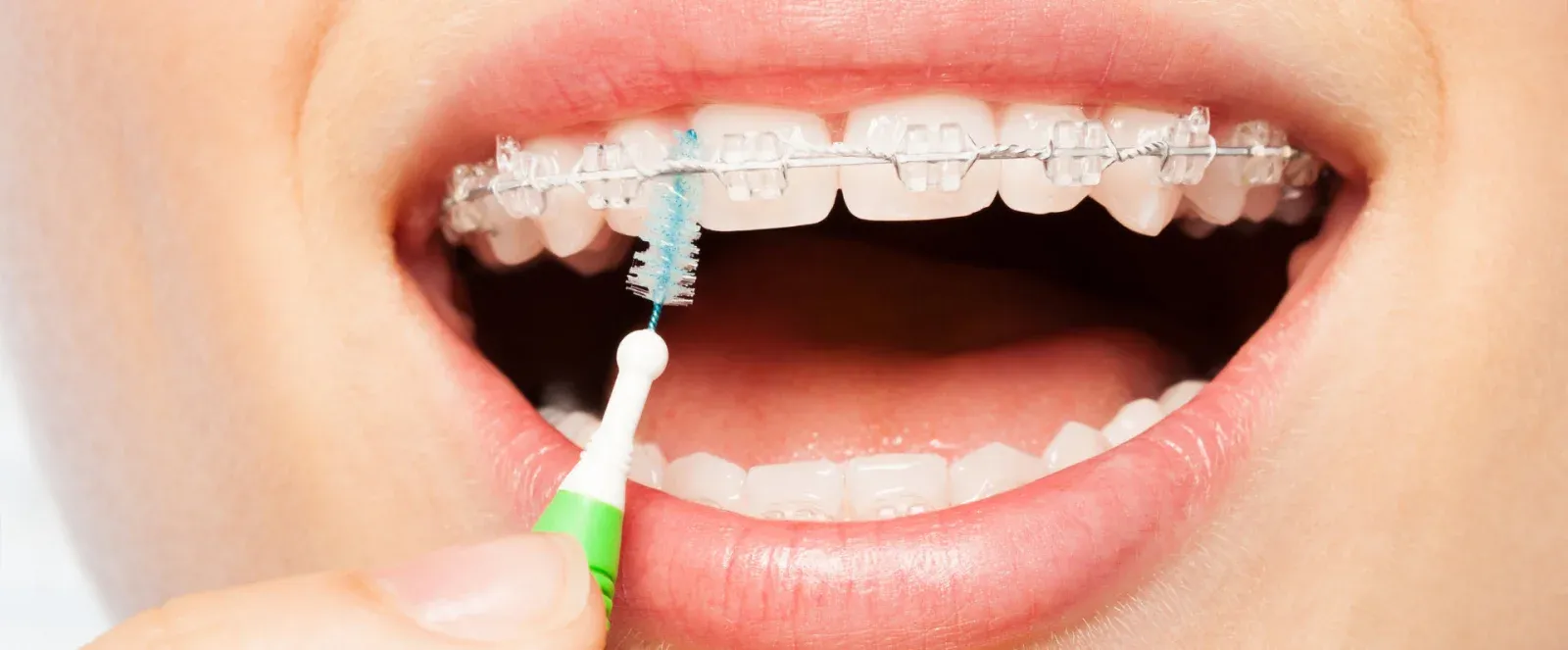
Oral Hygiene for Braces Wearers
Tips for effective oral hygiene with braces: avoid tooth decay, white spots, and inflammation. Keep your teeth and braces healthy throughout the treatment.
Read articleFeatured
Teeth Correction for Adults and Seniors
Find out how clear aligners, lingual braces or fixed braces can also correct aesthetic and functional problems later in life.
Read articleFeatured
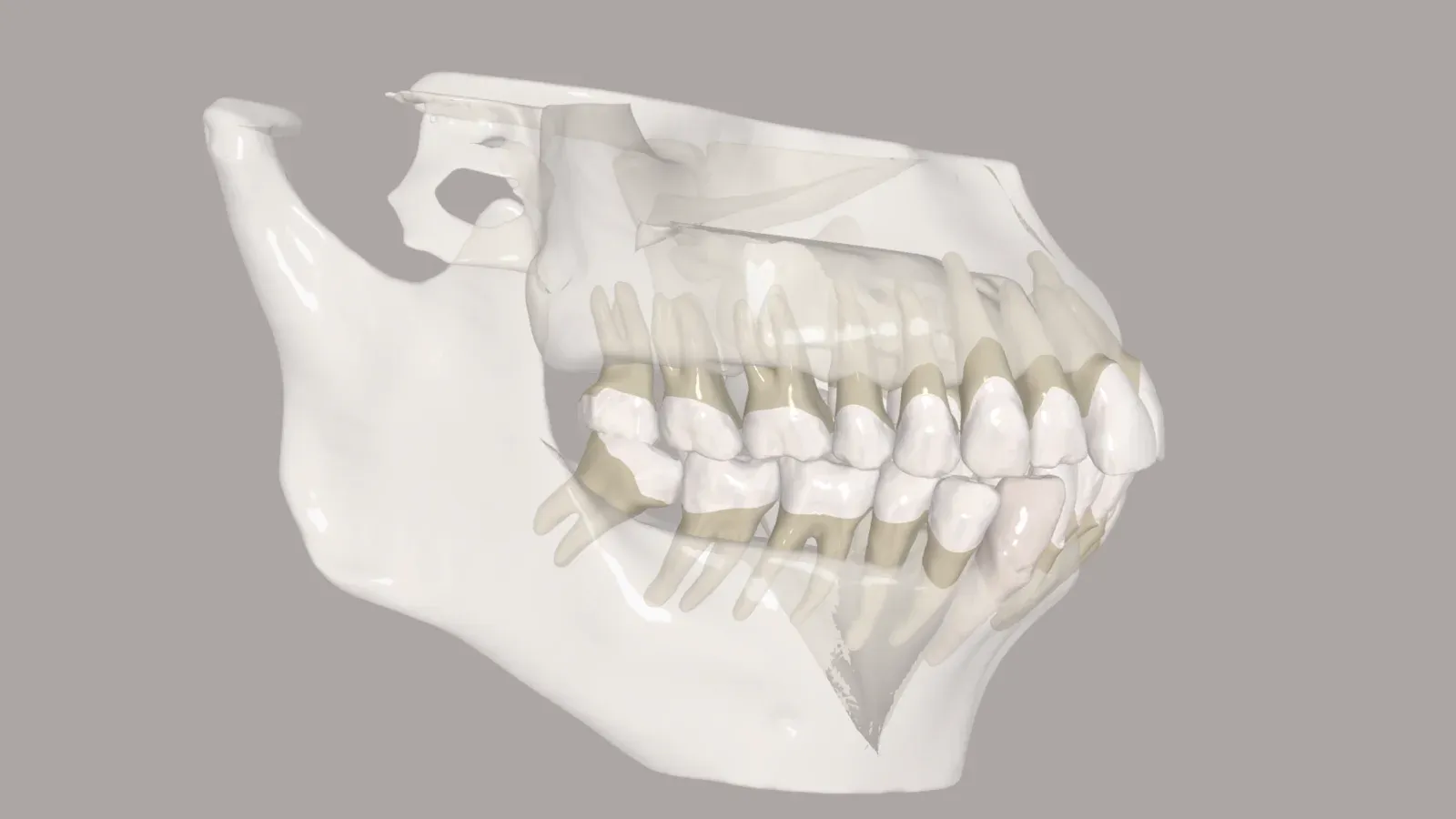
CBCT in Orthodontics Frankfurt | Precise 3D Diagnostics & Planning
Find out why cone beam computed tomography (CBCT) is crucial for your teeth straightening. Precise, with a low radiation dose at Hakim Healthcare Frankfurt.
Read articleFeatured
Aligner Therapy Avoids Tooth Extraction
Gentle aligner therapy is often possible without removing teeth. Learn when extractions can be avoided – get advice from Dr. Hakim in Frankfurt.
Read articleFeatured
Orthodontics vs. Prosthodontics
Orthodontics or prosthetic solutions? Why correcting your teeth with aligners or fixed braces is healthier and more sustainable in the long run.
Read articleFeatured
Aligner Myths at Hakim Healthcare Frankfurt
The aligner mystery – what is actually true? Hakim Aesthetics clears up the most common misconceptions and shows you what aligners can really achieve.
Read articleFeatured
Aligner Tips from Hakim Healthcare Frankfurt
Are you wearing aligners or planning a treatment? The best tips and tricks for a fast, effective and comfortable tooth correction.
Read articleFeatured
Dental Monitoring – Smart Orthodontics
Innovative orthodontics with Dental Monitoring at Hakim Aesthetics in Frankfurt. More precise control, fewer appointments – for efficient tooth correction.
Read articleFeatured
Interdisciplinary Aesthetic Dentistry
Interdisciplinary aesthetic dentistry at your orthodontist - how you benefit from the interdisciplinary collaboration in our Frankfurt practice!
Read articleFeatured
Digital Workflow in Dentistry
AI in dentistry? How is that supposed to work? Find out how you benefit from the digital workflow in dentistry and where its limits are.
Read articleFeatured
Dysgnathia | Causes, Symptoms and Treatment
Dysgnathia refers to a misalignment of the jaw. We explain the causes, the symptoms and the treatment options that are available to you.
Read articleFeatured
Overbite – Causes, Effects and Treatment
Correcting an overbite in Frankfurt – without surgery, without extraction. Dr. Hakim explains causes, effects & all treatment options. ✓ Personal initial consultation
Read articleFeatured
Gaps Between Teeth – Causes and Treatment
A gap between your teeth can look charming. But not everyone likes a gap between their teeth. We explain the treatment options available to you.
Read articleFeatured
Open Bite – Causes and Treatment
Treating an open bite – discreet & effective. Dr. Hakim, orthodontist in Frankfurt, explains all the options: aligners, fixed & removable braces.
Read articleFeatured
Crossbite – Causes and Treatment
A crossbite affects not only your appearance but also the function of your bite considerably. How a crossbite can be prevented and treated.
Read articleFeatured
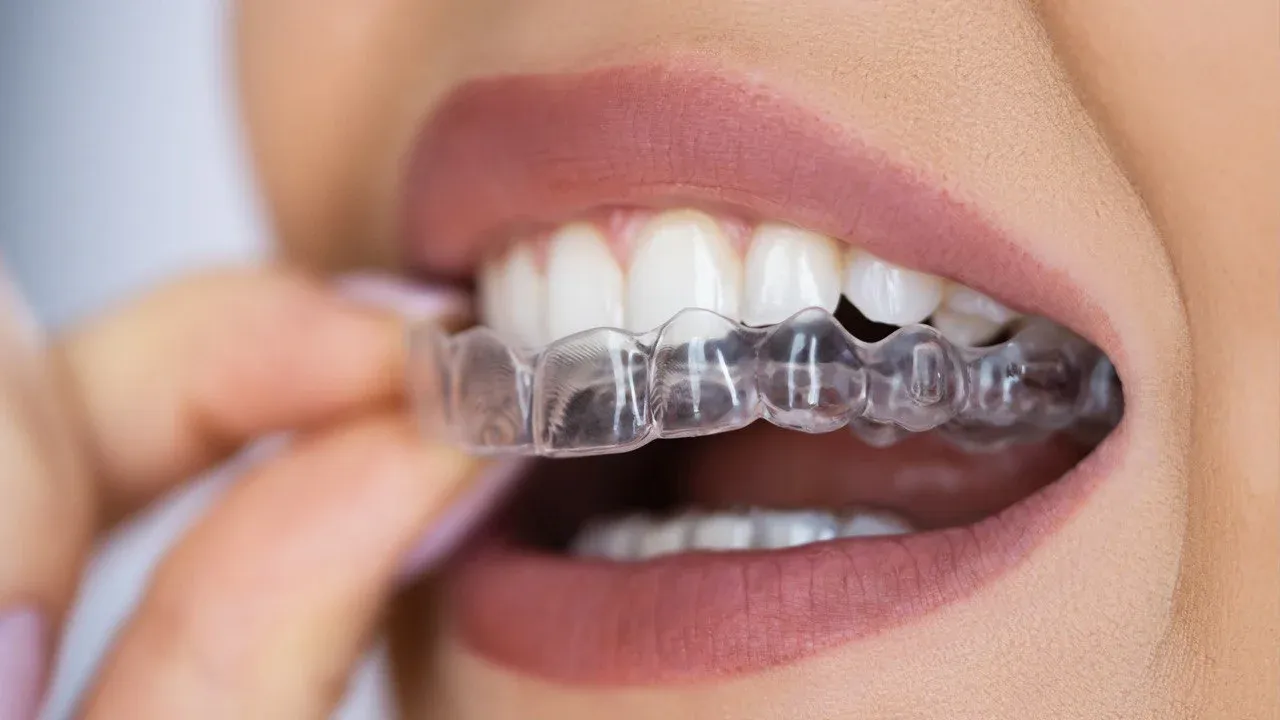
Dental Splints and Aligners for Every Need
Correct misaligned teeth effectively but discreetly with a clear aligner or a dental splint.
Read articleFeatured
Options for Teeth Correction
A radiant smile adds a great deal to your self-confidence. Hakim Aesthetics orthodontics shows you the right solution for your teeth correction.
Read articleFeatured
Permanent Retainer: Lasting Tooth Correction
To make sure a tooth correction leads to lasting results, we use retainers. We explain what retainers are and when they are used.
Read articleFeatured
How Misaligned Teeth Can Be Treated
Misaligned teeth are widespread and disturb the visual appearance. We explain how they can be treated.
Read articleFeatured
Braces for Adults - Our Service
Braces for adults in Frankfurt – discreet & modern. Dr. Hakim offers fixed brackets, lingual braces & aligners. ✓ Arrange your consultation now.
Read articleFeatured
Straight Teeth for Adults
Straight teeth for adults in Frankfurt – with clear aligners or braces. Dr. Hakim advises you personally. ✓ Discreet, fast & without extraction.
Read article