Featured
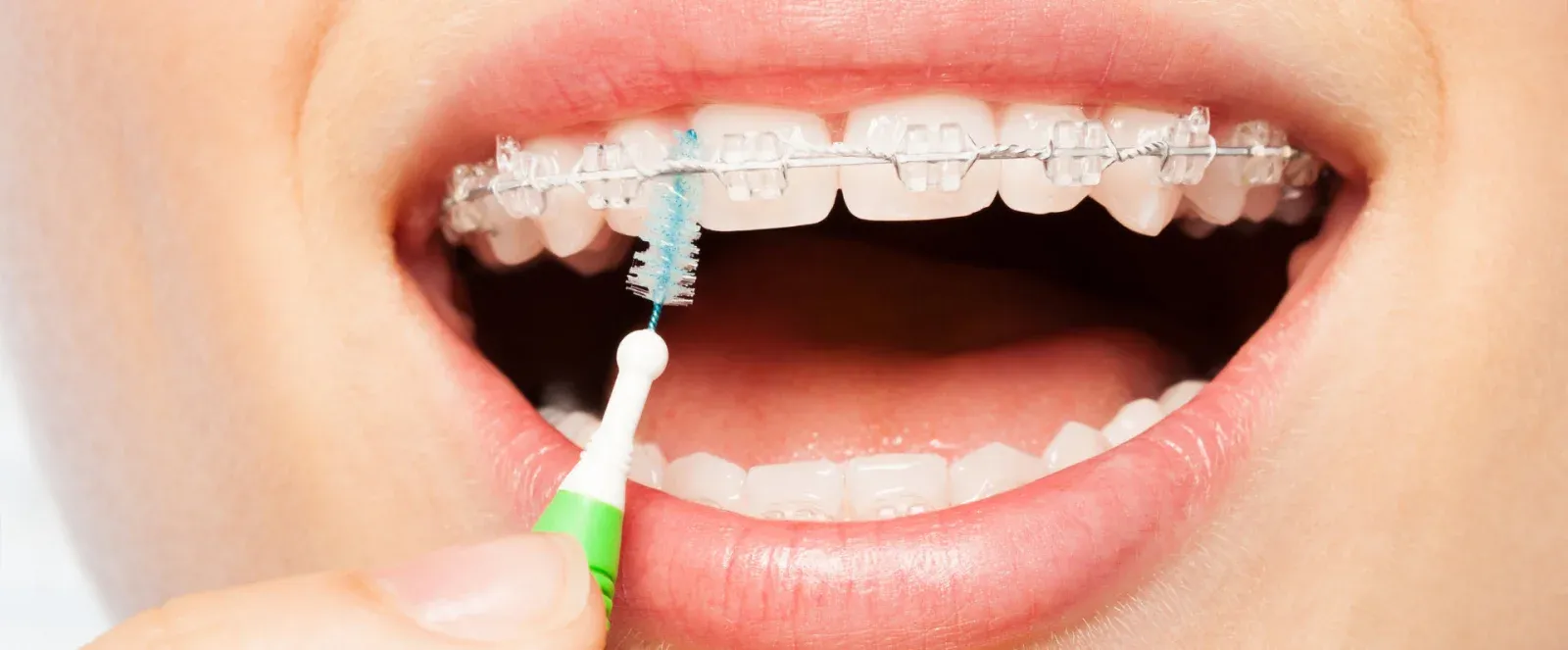
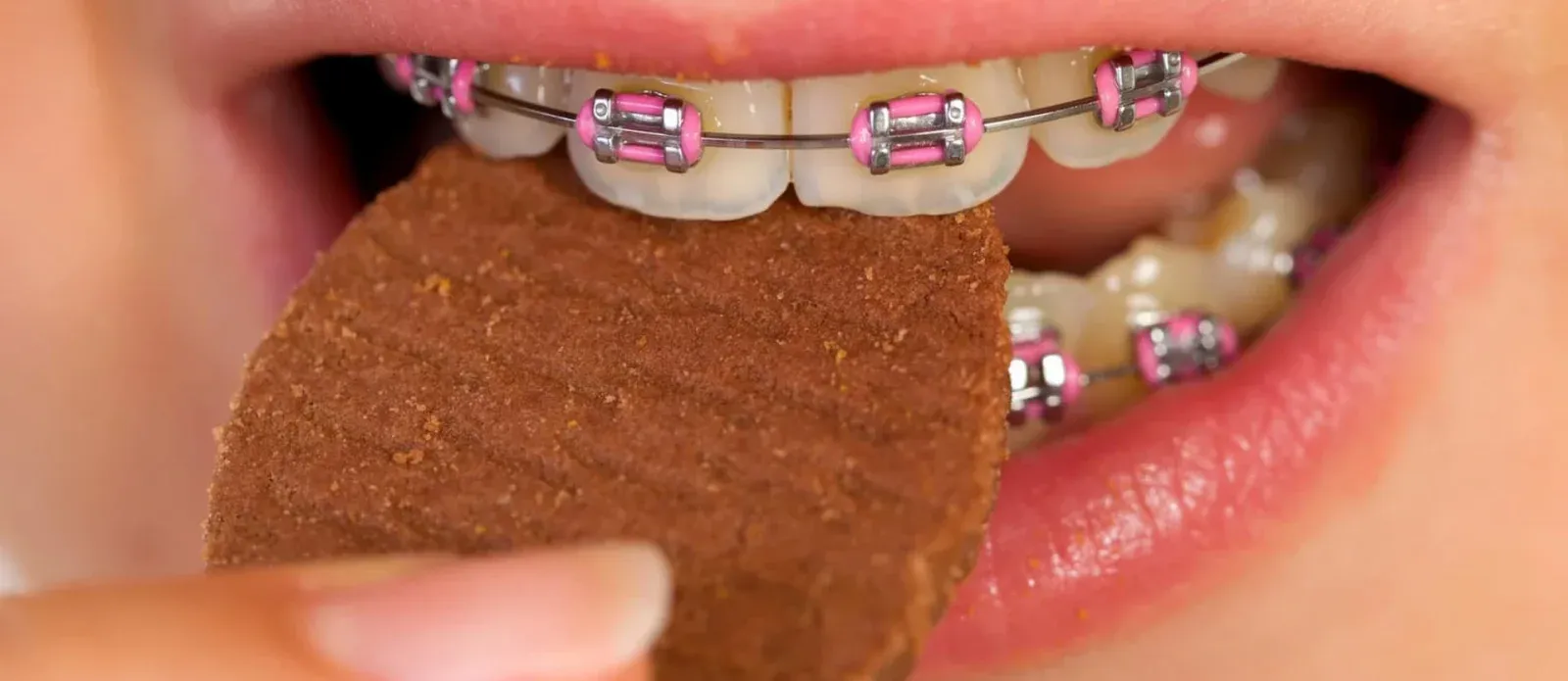
Diet Guidelines During Treatment with Braces
How to eat comfortably and successfully during your orthodontic treatment with braces or aligners
Read article



AI in dentistry? How is that supposed to work? Find out how you benefit from the digital workflow in dentistry and where its limits are.
What does a 3D printer do at the orthodontist, and what is Dental Monitoring? Find out how you as a patient benefit from the digital workflow at your orthodontist.
In recent years, digitalization has increasingly taken hold in dentistry as well - and with great success.
The digital workflow in dentistry simplifies various treatment processes. Digital procedures also conserve materials and resources. Find out here how you as a patient benefit from digitalization in dentistry, and in particular from the digital workflow in our practice!
How you benefit from the digital workflow in dentistry
How the impression with an intraoral scanner works
Digital treatment plan at your orthodontist
3D printer - fabrication directly in your orthodontic practice
Fully digital workflow at the orthodontist
We would like to tell you which digital options we use in our orthodontic practice and what advantages the digital workflow brings for you as a patient:
Digitalizing the first point of contact and the medical history, as well as virtual consultations on request, give you more flexibility along with high-quality treatment support. This means you do not have to come into the practice for every question. We make every step of your treatment easier from the very beginning.
Digitalization in dental diagnostics has made very great progress in recent years. Digital X-rays, for example, offer a considerably lower radiation exposure for patients and staff than conventional X-rays, and deliver faster results with better image quality. Thanks to the high resolution, even small problems in the jaw or the teeth can be identified more easily and diagnosed reliably. When needed, X-ray images in digital form can be shared easily and archived in a space-saving way - which saves time and money and protects the environment.
To obtain precise 3D models of the teeth and the oral cavity, it used to be necessary in the orthodontic practice to take impressions with an impression tray and a special paste (impression material). Many patients find the associated feeling of pressure very unpleasant and/or develop a gag reflex.
Here, too, digitalization has made great progress, so that a conventional impression is generally no longer necessary. Instead, the impression is now taken purely digitally, which is an advantage in several respects at once.
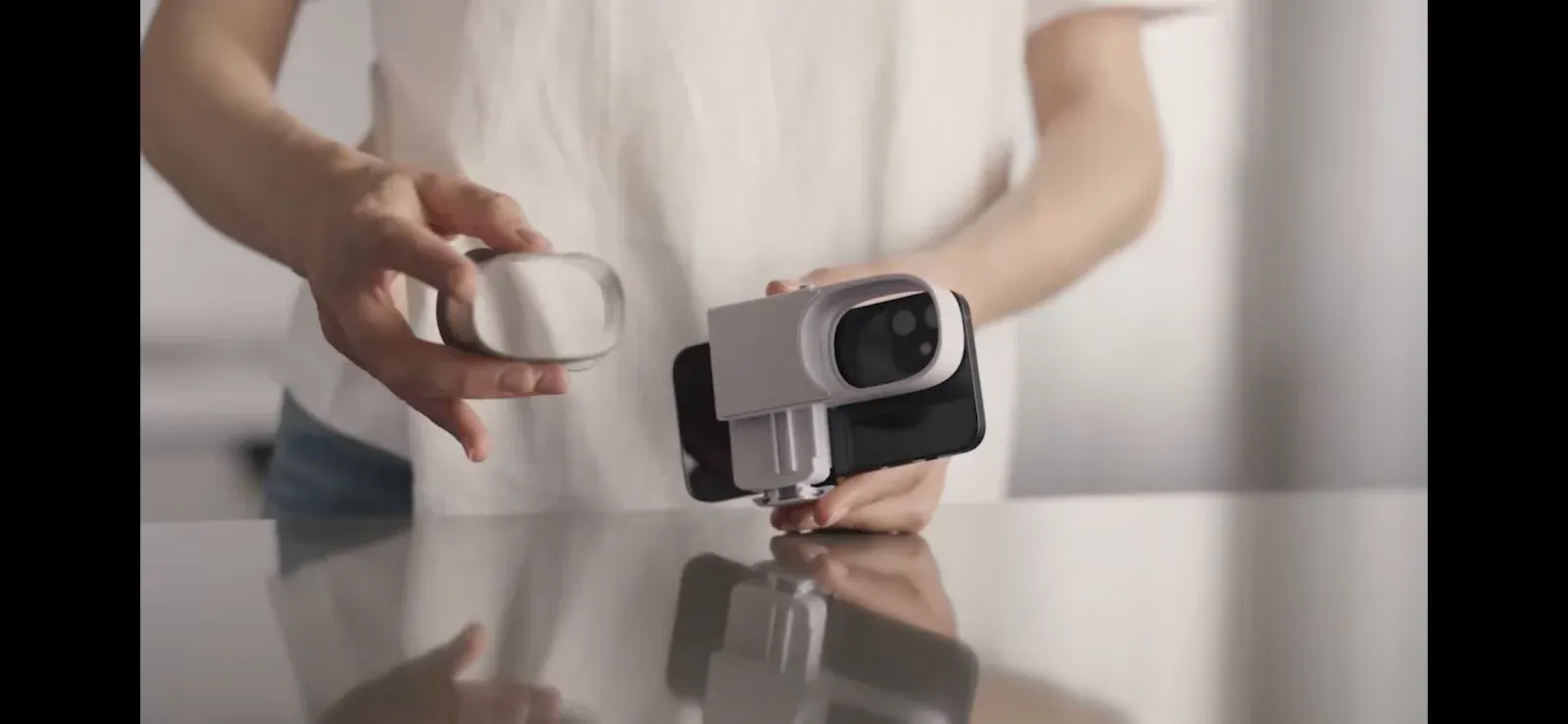
Intraoral scanners can capture the position of the teeth almost without any contact. To do so, they use a small digital camera, in some cases about the size of an electric toothbrush. It can scan the entire oral cavity and derive a highly detailed 3D model from it. With this modern technology, creating such a digital impression of the dentition takes only a few minutes and is considerably more comfortable for patients, as taking the impression causes neither a feeling of pressure nor a gag reflex. Beyond that, the intraoral scanner offers further advantages: no consumables are used (e.g. impression material), which is good news for your wallet and the environment alike.
Another advance is digital treatment planning. The data collected during the preliminary examinations can now be brought together digitally and used for individual treatment planning. In this way, we can simulate the entire course of treatment digitally in our orthodontic practice. This lets you see on screen in advance what results you can expect from the respective treatment. Based on the patient data submitted, we can design a suitable 3D model directly in the practice, which helps us with the placement of brackets or the use of aligners, for example. With this step toward digitalization, we achieve precise results. The treatment time can also be shortened through forward-looking planning and precise monitoring of the treatment progress.
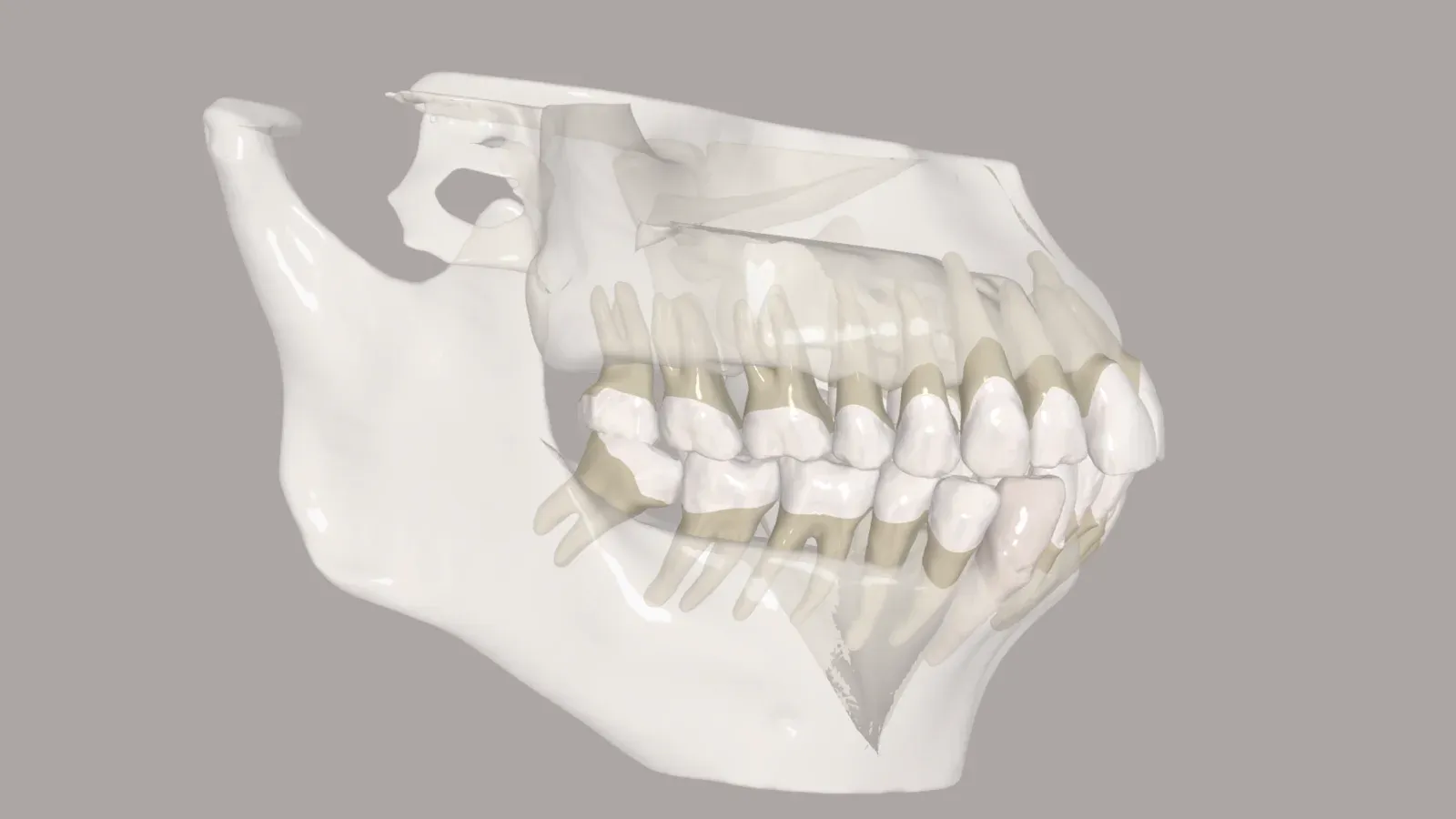
On the basis of the digital 3D scans, 3D printers can create precise physical models of the teeth and jaw. These usually serve as the basis for planning and producing orthodontic appliances, but they can also be used to visualize the course of treatment.
Your advantage: certain treatment appliances are produced directly in our orthodontic practice, so there is no longer a longer waiting time as there would be with fabrication by a laboratory.
Custom-made aligners, retainers or other orthodontic appliances can of course also be produced with the help of the 3D printer.
When digital technology is used in all phases of treatment, from diagnostics through to the completion of the orthodontic appliances and the follow-up care, we speak of a fully digital workflow in the orthodontic practice. Digitalization at every level makes the entire process more efficient, more precise and more comfortable for patients and for the practice.
In a fully digital workflow at your orthodontist, and especially as part of diagnostics, artificial intelligence (AI) is also being used more and more often. While it cannot conduct a conversation with a patient, it is already able to identify patterns in examination results such as X-ray images very precisely and to suggest treatment options on that basis. These are of course only suggestions, which are reviewed once more by a human expert — that is, by your orthodontist — and corrected if necessary.
By the way: digitalization does not have to stop at the practice door. Remote monitoring (“Dental Monitoring”), for example, offers further ways to keep track of how the treatment is progressing.
Dental Monitoring refers to documenting and checking treatment progress by digital means. Patients can document their progress with photos or with special apps, for example, and have it assessed by their orthodontist without having to make a separate trip to the practice. This innovative system has many advantages: among other things, it enables direct communication and continuous advice and support during tooth movement, so that any problems can be identified at an early stage and we can make corrections early on if needed. This can reduce treatment times by up to 30%.
Featured
Diet Guidelines During Treatment with Braces
How to eat comfortably and successfully during your orthodontic treatment with braces or aligners
Read articleFeatured
Oral Hygiene for Braces Wearers
Tips for effective oral hygiene with braces: avoid tooth decay, white spots, and inflammation. Keep your teeth and braces healthy throughout the treatment.
Read articleFeatured
Teeth Correction for Adults and Seniors
Find out how clear aligners, lingual braces or fixed braces can also correct aesthetic and functional problems later in life.
Read articleFeatured
CBCT in Orthodontics Frankfurt | Precise 3D Diagnostics & Planning
Find out why cone beam computed tomography (CBCT) is crucial for your teeth straightening. Precise, with a low radiation dose at Hakim Healthcare Frankfurt.
Read articleFeatured
Aligner Therapy Avoids Tooth Extraction
Gentle aligner therapy is often possible without removing teeth. Learn when extractions can be avoided – get advice from Dr. Hakim in Frankfurt.
Read articleFeatured
Orthodontics vs. Prosthodontics
Orthodontics or prosthetic solutions? Why correcting your teeth with aligners or fixed braces is healthier and more sustainable in the long run.
Read articleFeatured
Aligner Myths at Hakim Healthcare Frankfurt
The aligner mystery – what is actually true? Hakim Aesthetics clears up the most common misconceptions and shows you what aligners can really achieve.
Read articleFeatured
Aligner Tips from Hakim Healthcare Frankfurt
Are you wearing aligners or planning a treatment? The best tips and tricks for a fast, effective and comfortable tooth correction.
Read articleFeatured
Dental Monitoring – Smart Orthodontics
Innovative orthodontics with Dental Monitoring at Hakim Aesthetics in Frankfurt. More precise control, fewer appointments – for efficient tooth correction.
Read articleFeatured
Interdisciplinary Aesthetic Dentistry
Interdisciplinary aesthetic dentistry at your orthodontist - how you benefit from the interdisciplinary collaboration in our Frankfurt practice!
Read articleFeatured
Digital Workflow in Dentistry
AI in dentistry? How is that supposed to work? Find out how you benefit from the digital workflow in dentistry and where its limits are.
Read articleFeatured
Dysgnathia | Causes, Symptoms and Treatment
Dysgnathia refers to a misalignment of the jaw. We explain the causes, the symptoms and the treatment options that are available to you.
Read articleFeatured
Overbite – Causes, Effects and Treatment
Correcting an overbite in Frankfurt – without surgery, without extraction. Dr. Hakim explains causes, effects & all treatment options. ✓ Personal initial consultation
Read articleFeatured
Gaps Between Teeth – Causes and Treatment
A gap between your teeth can look charming. But not everyone likes a gap between their teeth. We explain the treatment options available to you.
Read articleFeatured
Open Bite – Causes and Treatment
Treating an open bite – discreet & effective. Dr. Hakim, orthodontist in Frankfurt, explains all the options: aligners, fixed & removable braces.
Read articleFeatured
Crossbite – Causes and Treatment
A crossbite affects not only your appearance but also the function of your bite considerably. How a crossbite can be prevented and treated.
Read articleFeatured
Dental Splints and Aligners for Every Need
Correct misaligned teeth effectively but discreetly with a clear aligner or a dental splint.
Read articleFeatured
Options for Teeth Correction
A radiant smile adds a great deal to your self-confidence. Hakim Aesthetics orthodontics shows you the right solution for your teeth correction.
Read articleFeatured
Permanent Retainer: Lasting Tooth Correction
To make sure a tooth correction leads to lasting results, we use retainers. We explain what retainers are and when they are used.
Read articleFeatured
How Misaligned Teeth Can Be Treated
Misaligned teeth are widespread and disturb the visual appearance. We explain how they can be treated.
Read articleFeatured
Braces for Adults - Our Service
Braces for adults in Frankfurt – discreet & modern. Dr. Hakim offers fixed brackets, lingual braces & aligners. ✓ Arrange your consultation now.
Read articleFeatured
Straight Teeth for Adults
Straight teeth for adults in Frankfurt – with clear aligners or braces. Dr. Hakim advises you personally. ✓ Discreet, fast & without extraction.
Read article