Featured
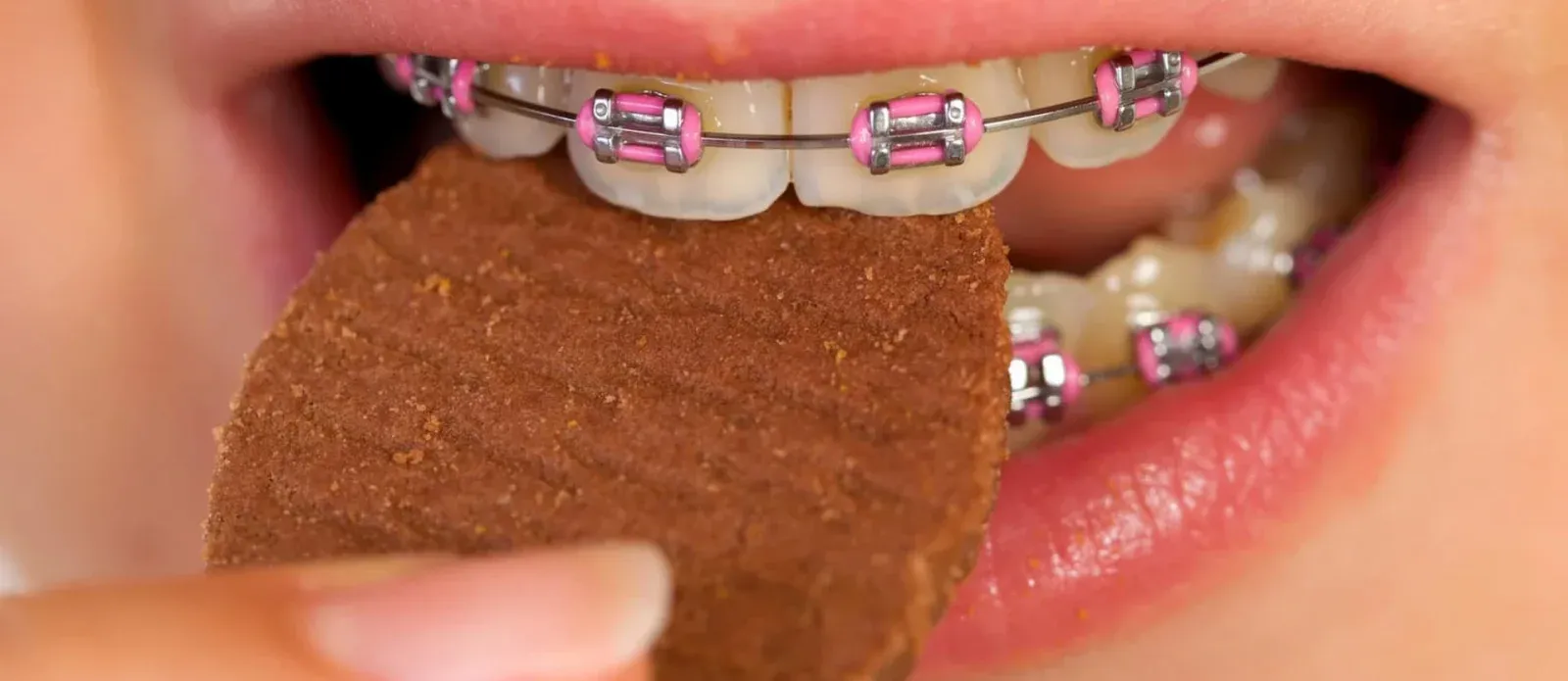
Diet Guidelines During Treatment with Braces
How to eat comfortably and successfully during your orthodontic treatment with braces or aligners
Read article



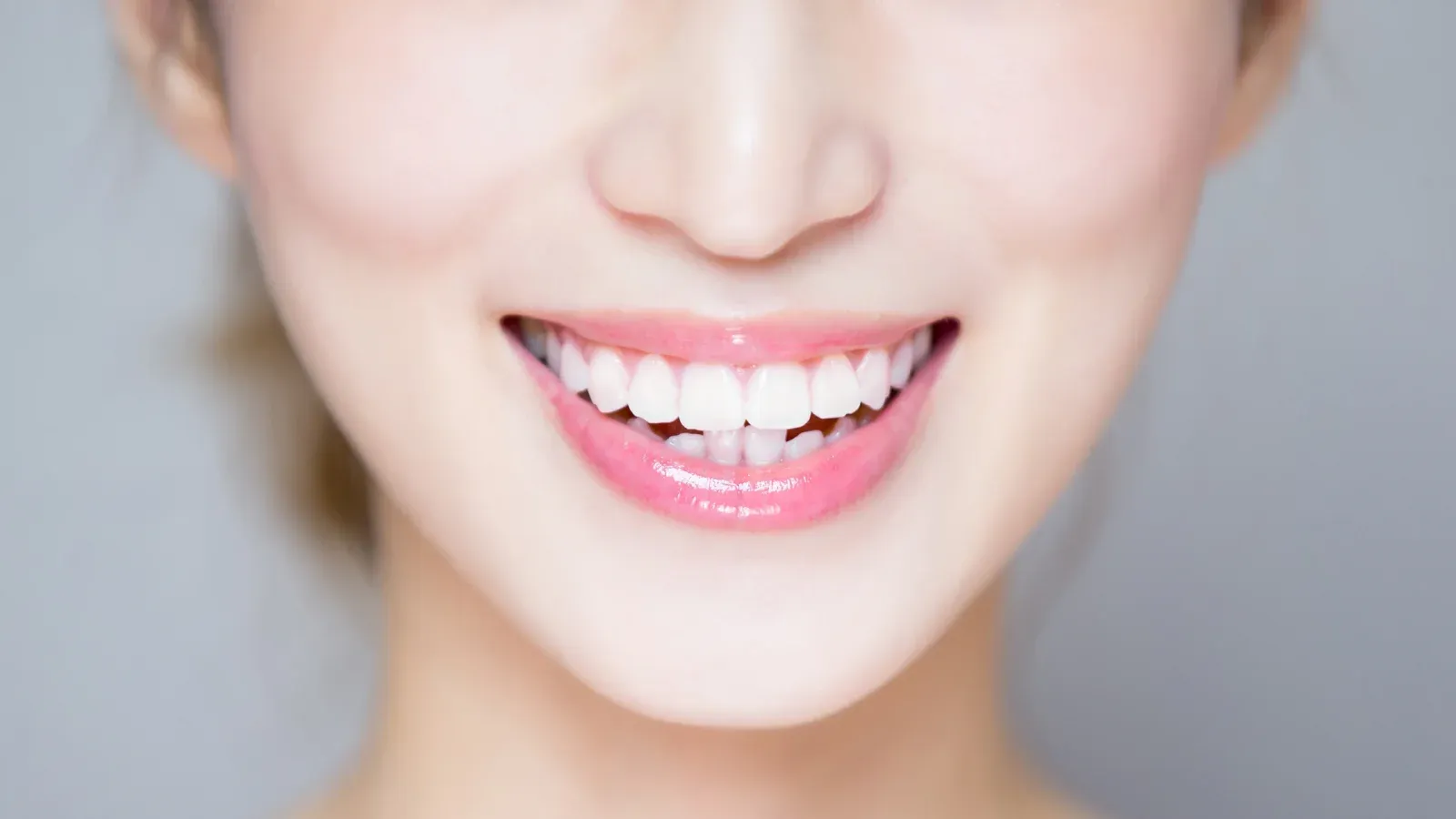
Correcting an overbite in Frankfurt – without surgery, without extraction. Dr. Hakim explains causes, effects & all treatment options. ✓ Personal initial consultation
Would you like to have your overbite corrected? Besides aesthetic reasons, an overbite can also affect your health and your well-being. We will tell you how orthodontics helps to put an end to your distress.
Every normal set of teeth has a slight overbite. That is because the upper jaw usually protrudes a little, so that the upper incisors sit in front of the lower ones and ideally cover them slightly. If the distance between the upper and lower incisors is too large, this is an overbite, which can considerably affect the overall visual impression. Problems with speaking or chewing can also arise, for example when biting into pizza or apples. To avoid this and to restore the harmony of the face, an orthodontic correction of the misalignment is necessary – ideally as early as childhood. But adults can also have an overbite (or prognathism) treated by Dr. Hakim. We will explain which treatment options exist and which ones are best suited to you.
Detailed consultation and individual treatment plan
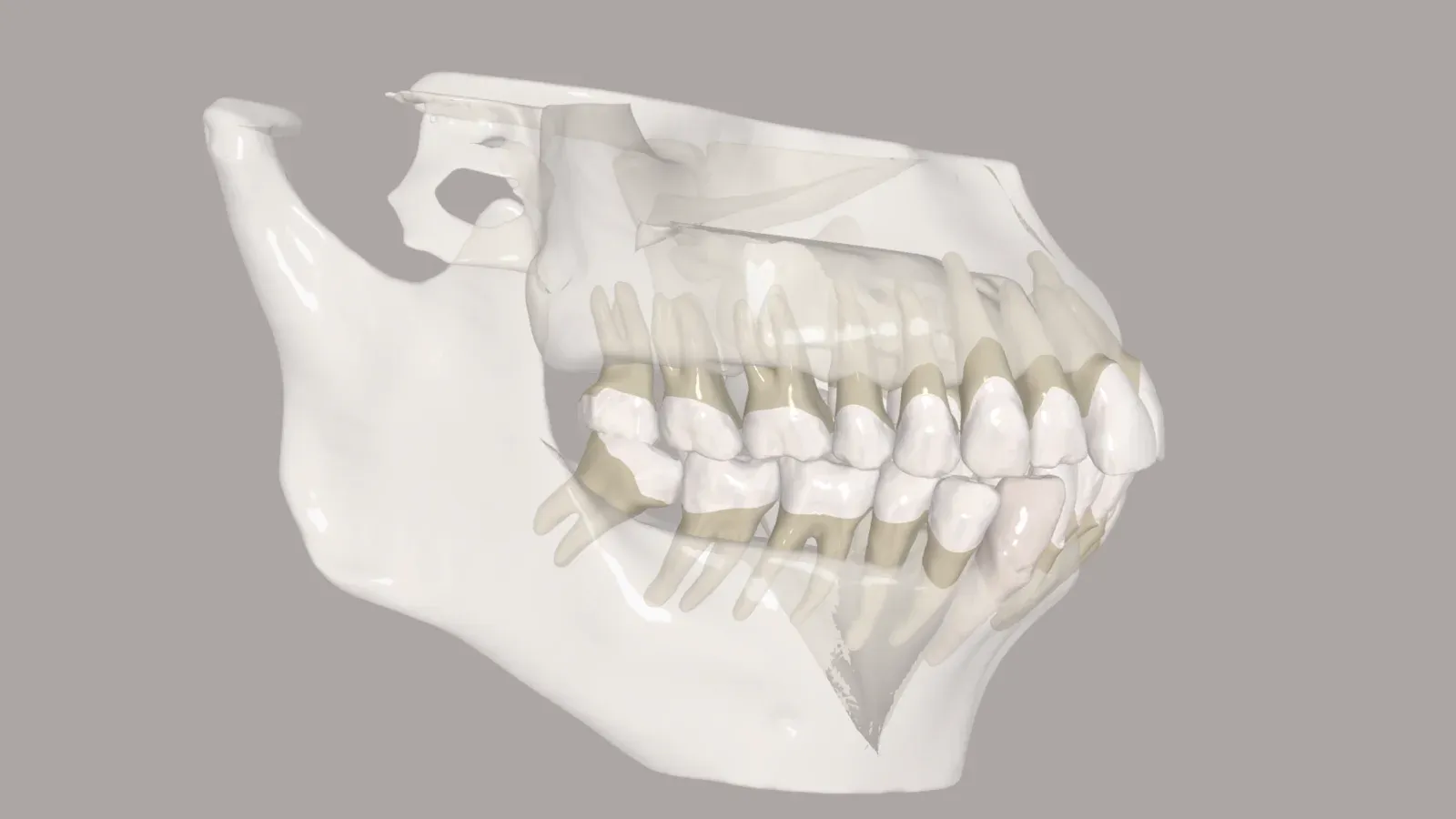
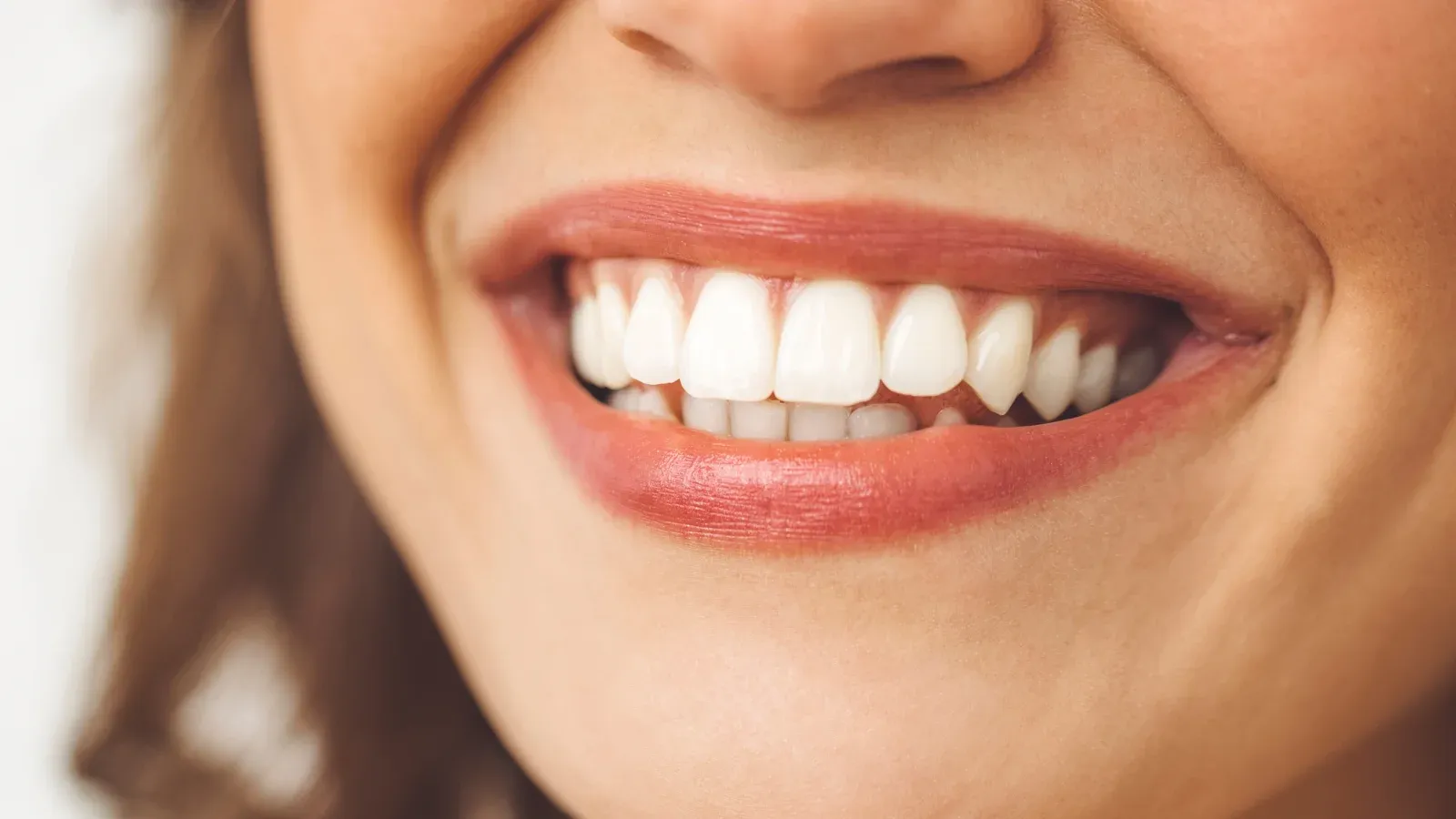
Normally, the upper incisors are about 2 millimeters away from the lower incisors. With an overbite in the sense of a misalignment, this distance is considerably larger. In principle, two types can be distinguished: horizontal and vertical overbite. With a horizontal overbite (“overjet”), the upper jaw protrudes noticeably, so that the upper front teeth have a greater distance from the lower teeth. If the distance is 4 to 8 millimeters, this is referred to as an increased overbite; from a distance of 9 millimeters onward it is what is known as a severe overbite. With a vertical overbite (“overbite”), the upper incisors cover the lower incisors very strongly, which is referred to as a deep bite. It is also possible for both misalignments to be present.
By the way: the opposite of an overbite is the underbite (mandibular prognathism), in which the lower jaw protrudes noticeably.
An overbite can arise from a malocclusion of the teeth (dental overbite) or from a misalignment of the jaw (skeletal overbite). A dental overbite is present when, for example, the axis of the incisors does not correspond to the norm. If, on the other hand, the jawbone of the lower jaw has not developed properly, it is a skeletal overbite. The causes of these misalignments are varied. Often the misalignment is genetic and is passed on from parents or grandparents to the next generation. Beyond that, however, bad habits also play a major role in how it develops. Risk factors include thumb sucking, tongue thrusting or the prolonged use of a pacifier. Certain misalignments of the teeth, such as crowding in the jaw, can also encourage an overbite.
An overbite can have health consequences and cause problems with chewing and biting, for example. Because of the unfavorable load on the temporomandibular joints, these can be placed under excessive strain, so that tension in the jaw, neck and shoulder area as well as headaches can occur.
An overbite also has aesthetic effects, because it changes the frontal and lateral appearance of the face. Due to the protruding upper jaw, the teeth often look excessively large (“buck teeth”) and the chin noticeably set back (“receding chin”). Both can be perceived as unattractive by those affected and create considerable distress, which can have a negative effect on well-being and self-confidence. To prevent this and to give you a healthy, happy smile, the overbite needs to be corrected.
In principle, treatment as early as possible is recommended. In the best case, the overbite is corrected already in childhood, because that not only spares you problems in the teenage and adult years. Orthodontic treatment is also far simpler in children, since the jawbone and the tooth roots have not yet fully grown and are therefore easier to treat. The classic treatment methods for an overbite are fixed or removable braces or clear aligners.
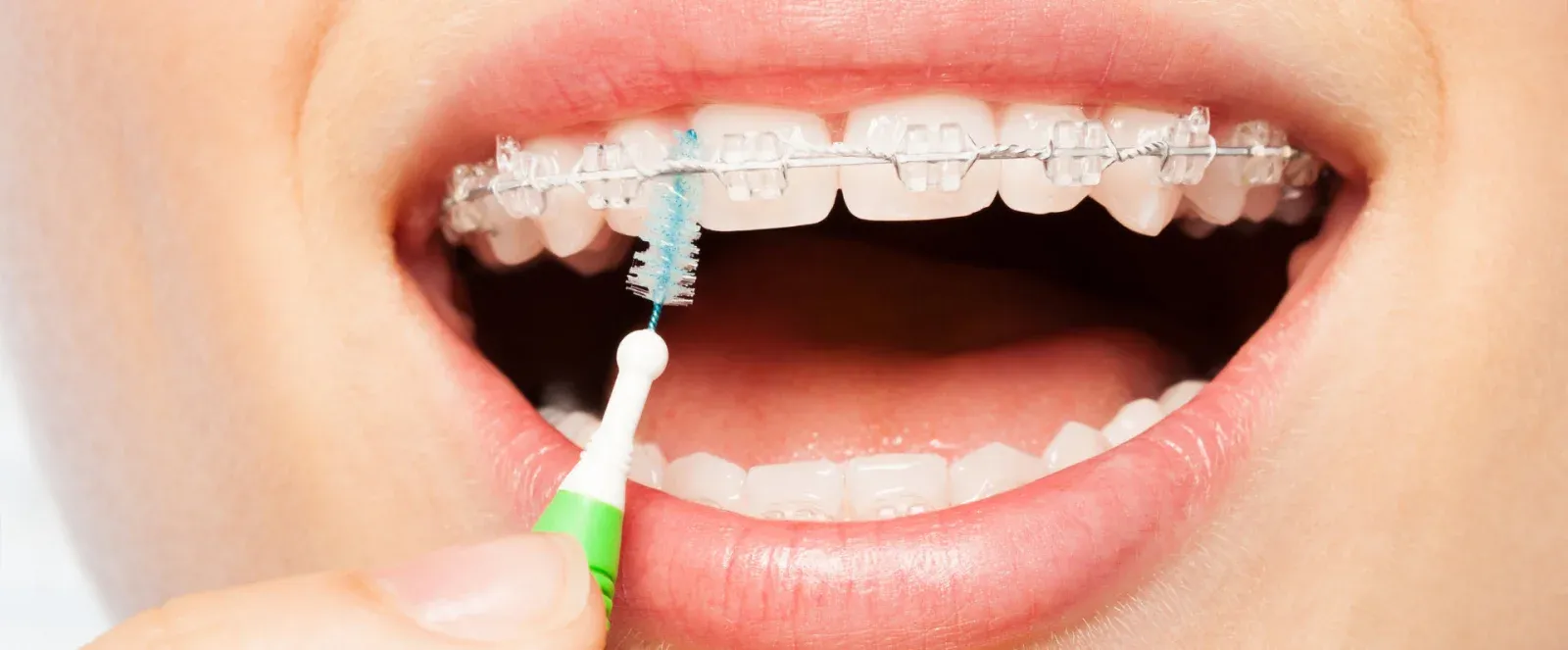
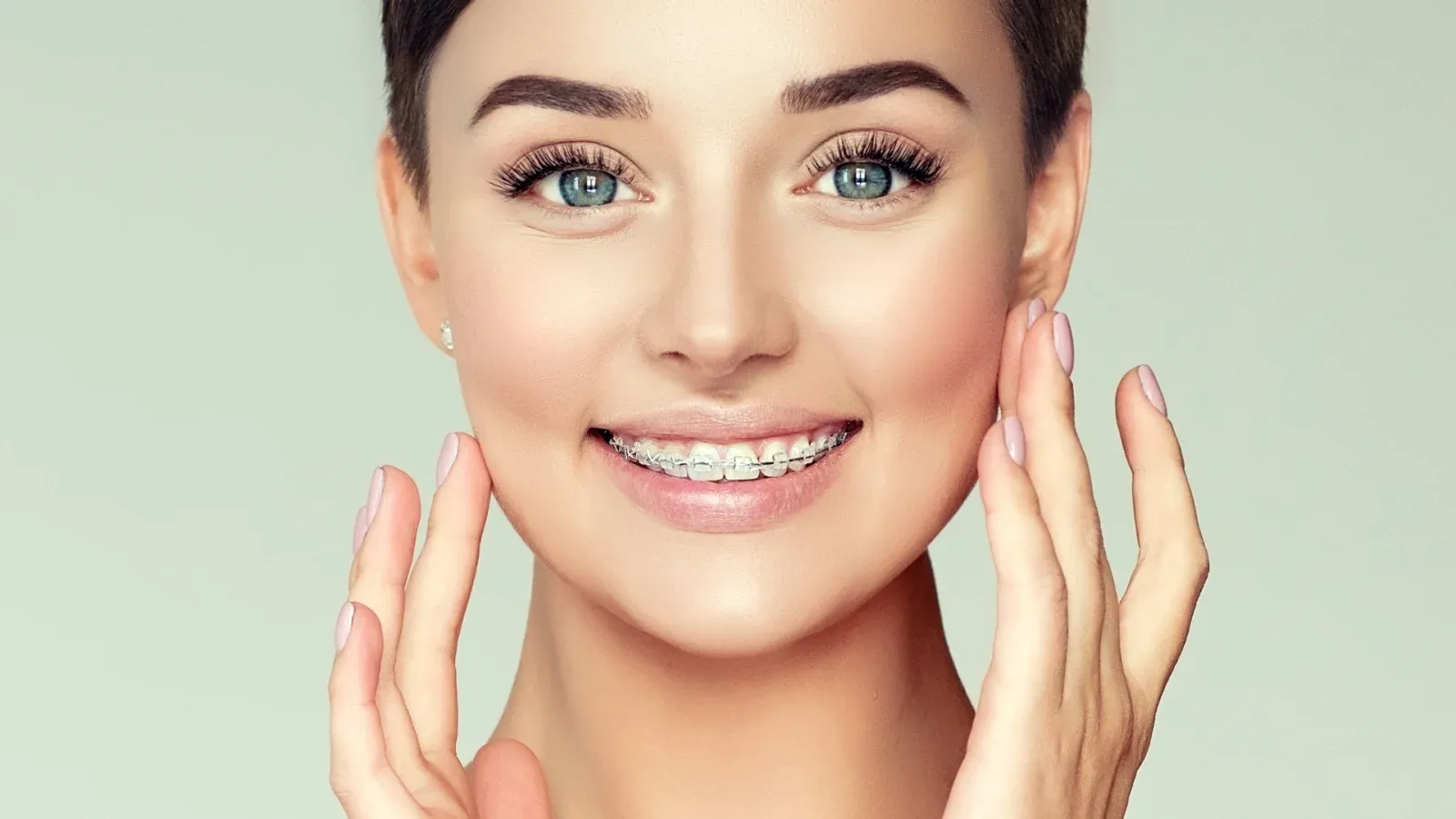
Braces in Frankfurt consist of brackets that are bonded onto the teeth and connected to one another with wires. To move the teeth into the desired position, the wires are regularly adjusted accordingly. Depending on the complexity of the case, treatment takes between 1.5 and 2.5 years. Fixed braces have proven to be very effective in correcting overbites (even severe ones). This is mainly because they are worn constantly and can therefore correct the position of the teeth continuously and change it precisely. However, braces require particular attention to oral hygiene in order to avoid tooth decay and gum disease. And – provided they are attached to the front of the teeth – they are clearly visible, which often bothers adults in particular.
As an alternative to fixed braces, removable braces are sufficient in some cases. They consist of acrylic and wires, with the help of which the appliance is adjusted so that the teeth are moved into the desired position. The advantage here is that the appliance can be taken out for eating, brushing your teeth and for special occasions. This not only makes oral hygiene easier, but also offers more flexibility in everyday life. However, the success of the treatment depends heavily on the wear time of the appliance, and in general it is often less effective with severe misalignments.
A prerequisite for the use of removable braces is, however, that the jaw has not yet fully grown. That means removable braces are not suitable for adults. If you would nevertheless prefer not to have fixed braces put in, transparent clear aligners could be an option for you instead. Feel free to have Dr. Hakim advise you on this and explain the advantages and possibilities of what are known as aligners.
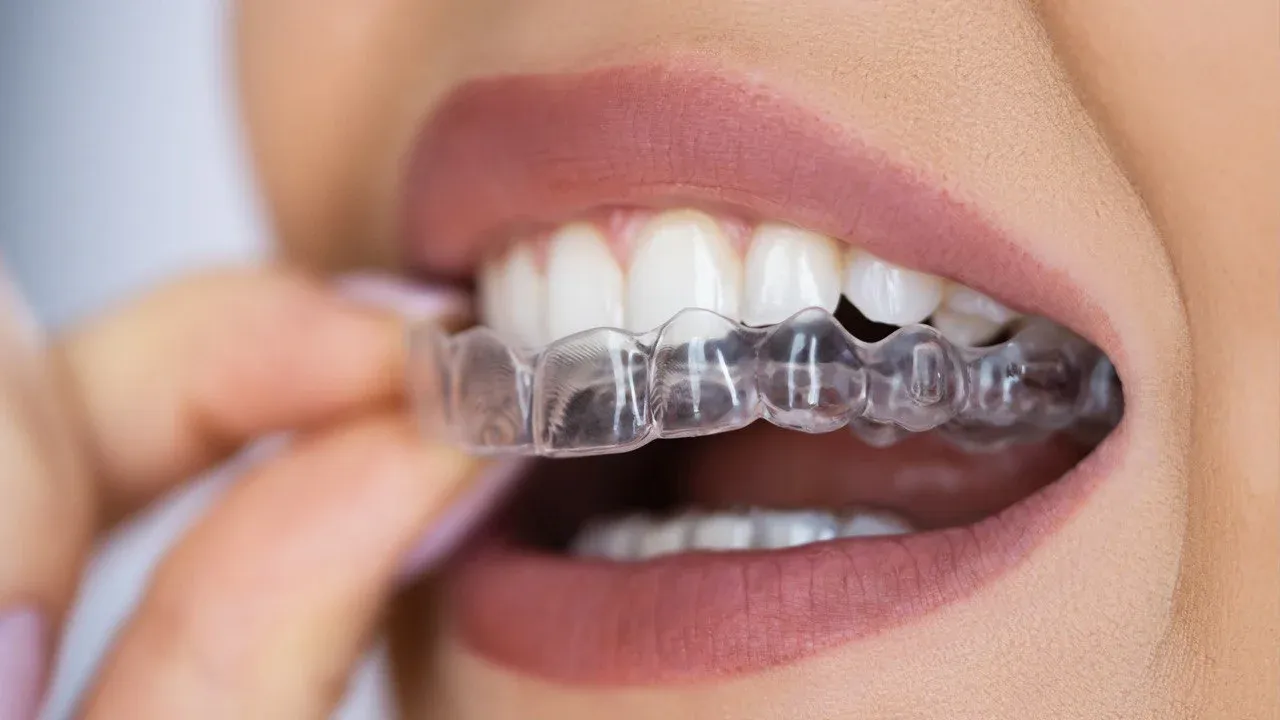
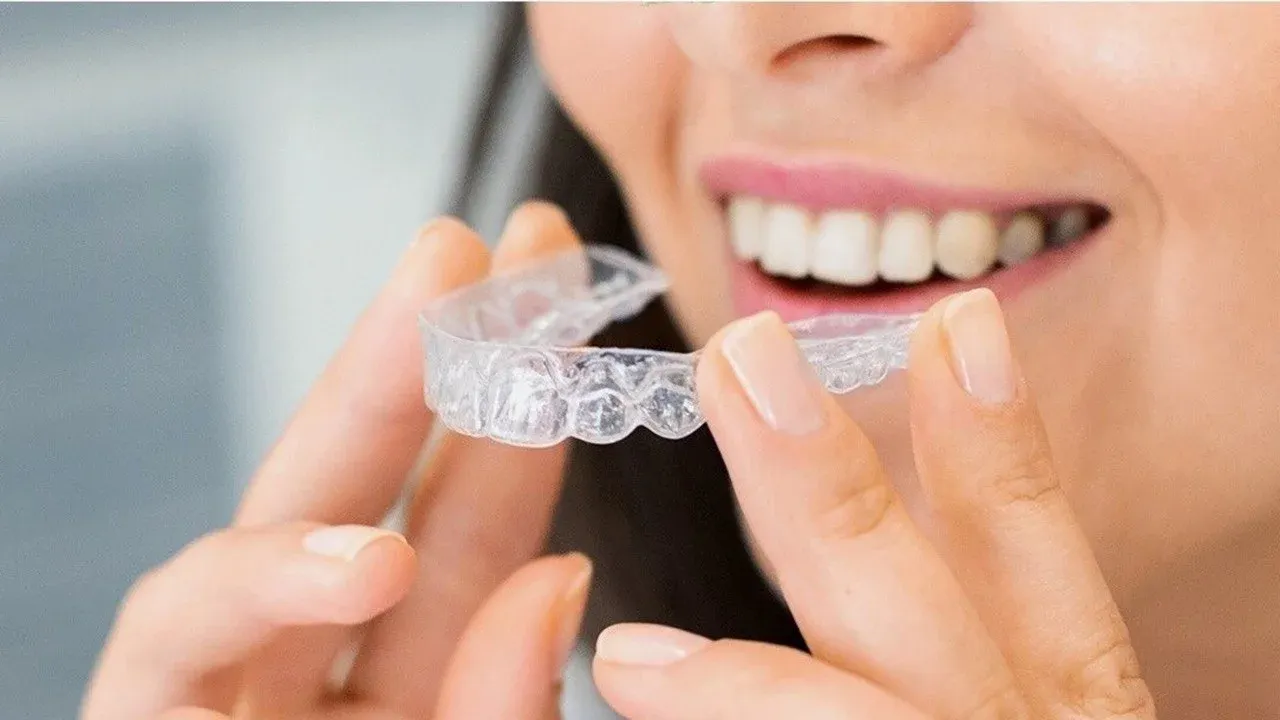
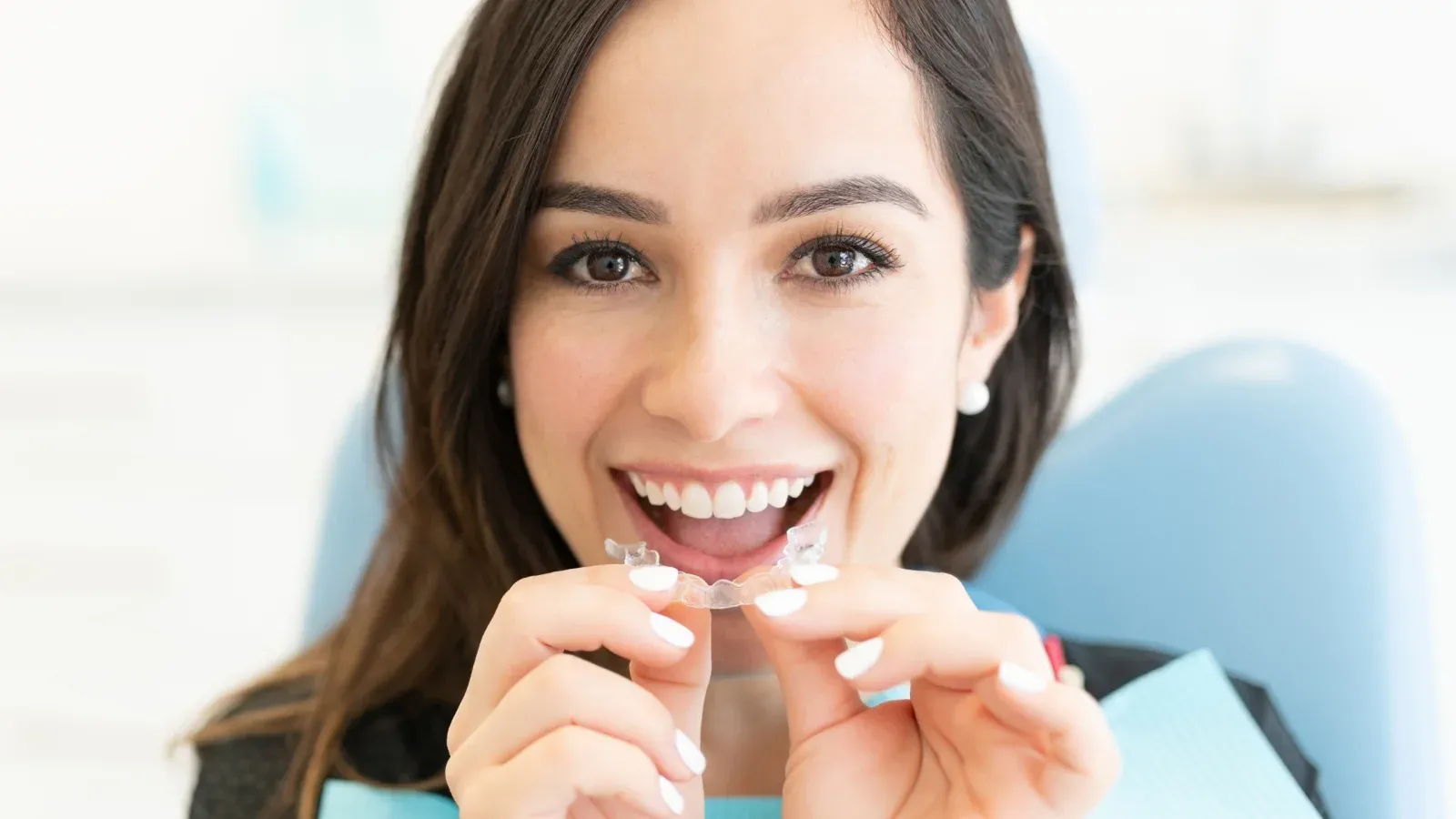
Transparent clear aligners (aligners) are made of transparent plastic and are barely visible in the mouth. That is why they are especially popular with teenagers and adults who place great value on discreet treatment. Since they contain no metal parts, they are very comfortable to wear. The aligners are of course custom-made to ensure an optimal fit and are renewed regularly in order to adapt them to the current positions of the teeth. So that the teeth actually move into the desired position, it is necessary to wear the aligner at least 20 hours a day.
Every misalignment can be pronounced to a different degree, and depending on the condition of the jaw and teeth, the starting situation is highly individual. Various methods may therefore be considered for the optimal treatment, and Dr. Hakim will be happy to present them to you in a personal consultation. There you will learn details about how the treatment proceeds and what result you can expect. Of course, you will also have the opportunity to ask your questions, and Dr. Hakim will answer them precisely. You can be sure of one thing: functionality and aesthetics are his highest priority.
Featured
Diet Guidelines During Treatment with Braces
How to eat comfortably and successfully during your orthodontic treatment with braces or aligners
Read articleFeatured
Oral Hygiene for Braces Wearers
Tips for effective oral hygiene with braces: avoid tooth decay, white spots, and inflammation. Keep your teeth and braces healthy throughout the treatment.
Read articleFeatured
Teeth Correction for Adults and Seniors
Find out how clear aligners, lingual braces or fixed braces can also correct aesthetic and functional problems later in life.
Read articleFeatured
CBCT in Orthodontics Frankfurt | Precise 3D Diagnostics & Planning
Find out why cone beam computed tomography (CBCT) is crucial for your teeth straightening. Precise, with a low radiation dose at Hakim Healthcare Frankfurt.
Read articleFeatured
Aligner Therapy Avoids Tooth Extraction
Gentle aligner therapy is often possible without removing teeth. Learn when extractions can be avoided – get advice from Dr. Hakim in Frankfurt.
Read articleFeatured
Orthodontics vs. Prosthodontics
Orthodontics or prosthetic solutions? Why correcting your teeth with aligners or fixed braces is healthier and more sustainable in the long run.
Read articleFeatured
Aligner Myths at Hakim Healthcare Frankfurt
The aligner mystery – what is actually true? Hakim Aesthetics clears up the most common misconceptions and shows you what aligners can really achieve.
Read articleFeatured
Aligner Tips from Hakim Healthcare Frankfurt
Are you wearing aligners or planning a treatment? The best tips and tricks for a fast, effective and comfortable tooth correction.
Read articleFeatured
Dental Monitoring – Smart Orthodontics
Innovative orthodontics with Dental Monitoring at Hakim Aesthetics in Frankfurt. More precise control, fewer appointments – for efficient tooth correction.
Read articleFeatured
Interdisciplinary Aesthetic Dentistry
Interdisciplinary aesthetic dentistry at your orthodontist - how you benefit from the interdisciplinary collaboration in our Frankfurt practice!
Read articleFeatured
Digital Workflow in Dentistry
AI in dentistry? How is that supposed to work? Find out how you benefit from the digital workflow in dentistry and where its limits are.
Read articleFeatured
Dysgnathia | Causes, Symptoms and Treatment
Dysgnathia refers to a misalignment of the jaw. We explain the causes, the symptoms and the treatment options that are available to you.
Read articleFeatured
Overbite – Causes, Effects and Treatment
Correcting an overbite in Frankfurt – without surgery, without extraction. Dr. Hakim explains causes, effects & all treatment options. ✓ Personal initial consultation
Read articleFeatured
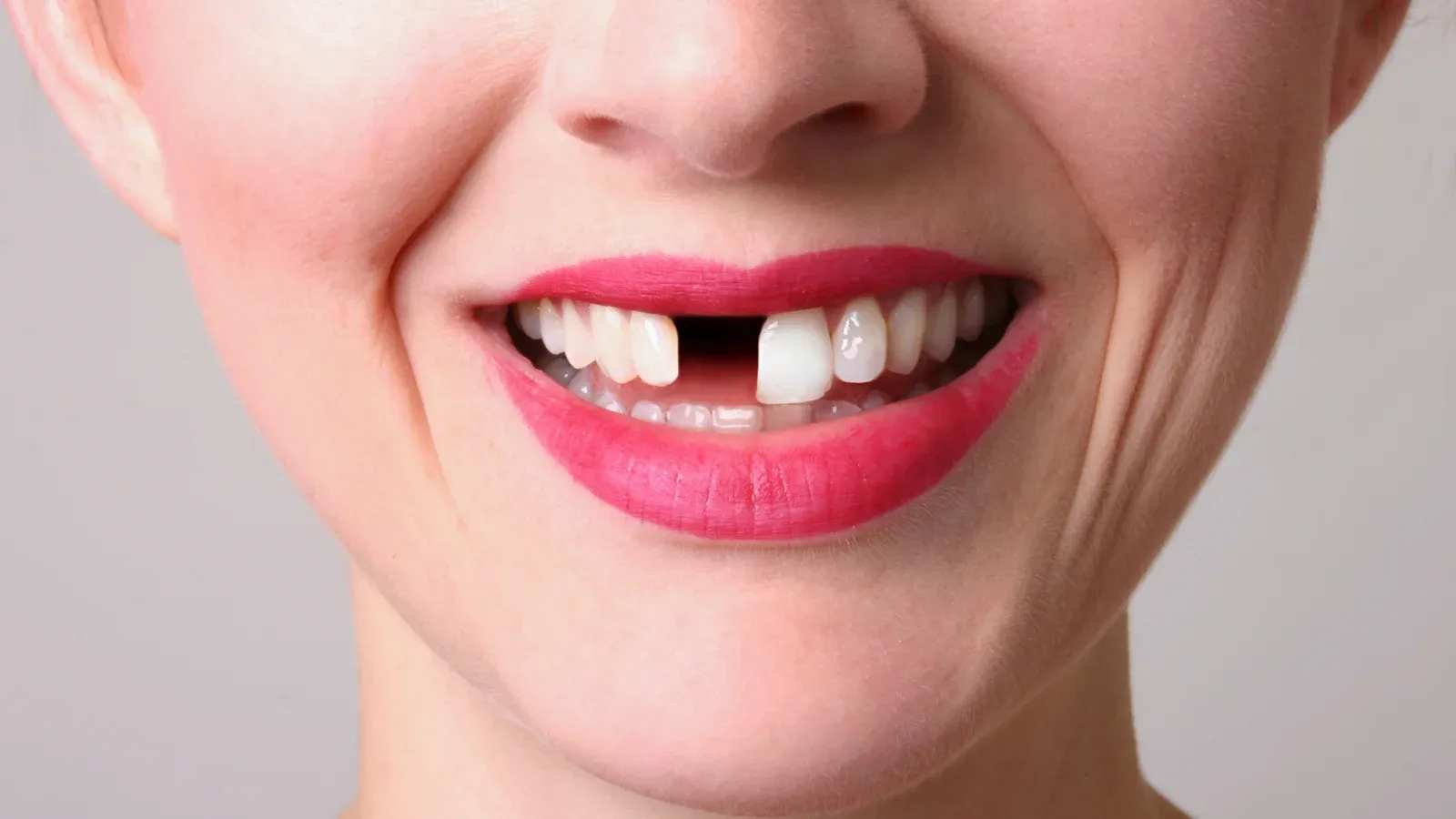
Gaps Between Teeth – Causes and Treatment
A gap between your teeth can look charming. But not everyone likes a gap between their teeth. We explain the treatment options available to you.
Read articleFeatured
Open Bite – Causes and Treatment
Treating an open bite – discreet & effective. Dr. Hakim, orthodontist in Frankfurt, explains all the options: aligners, fixed & removable braces.
Read articleFeatured
Crossbite – Causes and Treatment
A crossbite affects not only your appearance but also the function of your bite considerably. How a crossbite can be prevented and treated.
Read articleFeatured
Dental Splints and Aligners for Every Need
Correct misaligned teeth effectively but discreetly with a clear aligner or a dental splint.
Read articleFeatured
Options for Teeth Correction
A radiant smile adds a great deal to your self-confidence. Hakim Aesthetics orthodontics shows you the right solution for your teeth correction.
Read articleFeatured
Permanent Retainer: Lasting Tooth Correction
To make sure a tooth correction leads to lasting results, we use retainers. We explain what retainers are and when they are used.
Read articleFeatured
How Misaligned Teeth Can Be Treated
Misaligned teeth are widespread and disturb the visual appearance. We explain how they can be treated.
Read articleFeatured
Braces for Adults - Our Service
Braces for adults in Frankfurt – discreet & modern. Dr. Hakim offers fixed brackets, lingual braces & aligners. ✓ Arrange your consultation now.
Read articleFeatured
Straight Teeth for Adults
Straight teeth for adults in Frankfurt – with clear aligners or braces. Dr. Hakim advises you personally. ✓ Discreet, fast & without extraction.
Read article