Featured
Diet Guidelines During Treatment with Braces
How to eat comfortably and successfully during your orthodontic treatment with braces or aligners
Read article



A radiant smile adds a great deal to your self-confidence. Hakim Aesthetics orthodontics shows you the right solution for your teeth correction.
We offer you a range of advanced treatment options so that you can soon smile exactly the way you have always dreamed of. Read on to learn more about the options for teeth correction and then feel free to contact us for a personal consultation.
When a teeth correction is necessary or advisable
Does health insurance cover the costs of a teeth correction?
An individual treatment concept for your teeth correction
In many cases, for example when the jaw is too small, the teeth have grown only slightly rotated or deviate minimally from their ideal position. Even if this is not noticeable to you, problems like these are not purely aesthetic in nature and call for a teeth correction. Minor crowding leads to more frequent tooth decay and periodontal disease. With more pronounced malocclusions, such as severely rotated teeth, or when your teeth do not meet directly when chewing because of differences in height, greater complaints can develop over time.
Possible consequences include:
The good news is: with our modern orthodontic teeth correction, we can treat these problems effectively and prevent complaints from developing – and not only in children, but in adults as well. In our practice for aesthetic orthodontics, we know how to make effective use of all modern means and methods for your individual wishes, such as braces that are invisible or less conspicuous forms of teeth correction.
If you are thinking about a teeth correction, several options are available to you at Hakim Aesthetics. As a matter of principle, we always aim to preserve your natural teeth as far as possible. That is why tooth-preserving treatment methods always take priority with us. This means we intervene as little as possible in your tooth structure and primarily use techniques for teeth correction that preserve your own teeth and tooth substance. Which procedures are best suited to your particular case depends on the type and extent of your malocclusion, which is determined in a comprehensive examination. Beforehand, however, we would like to give you a first overview of the different options.
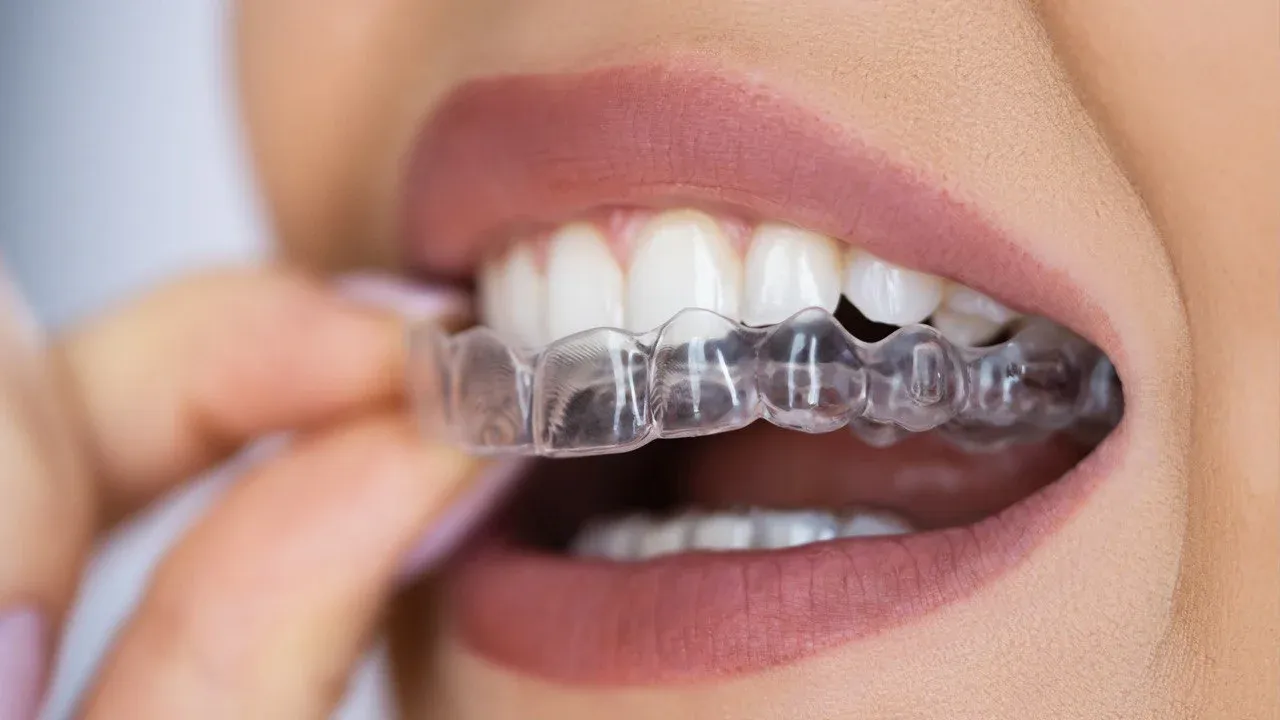
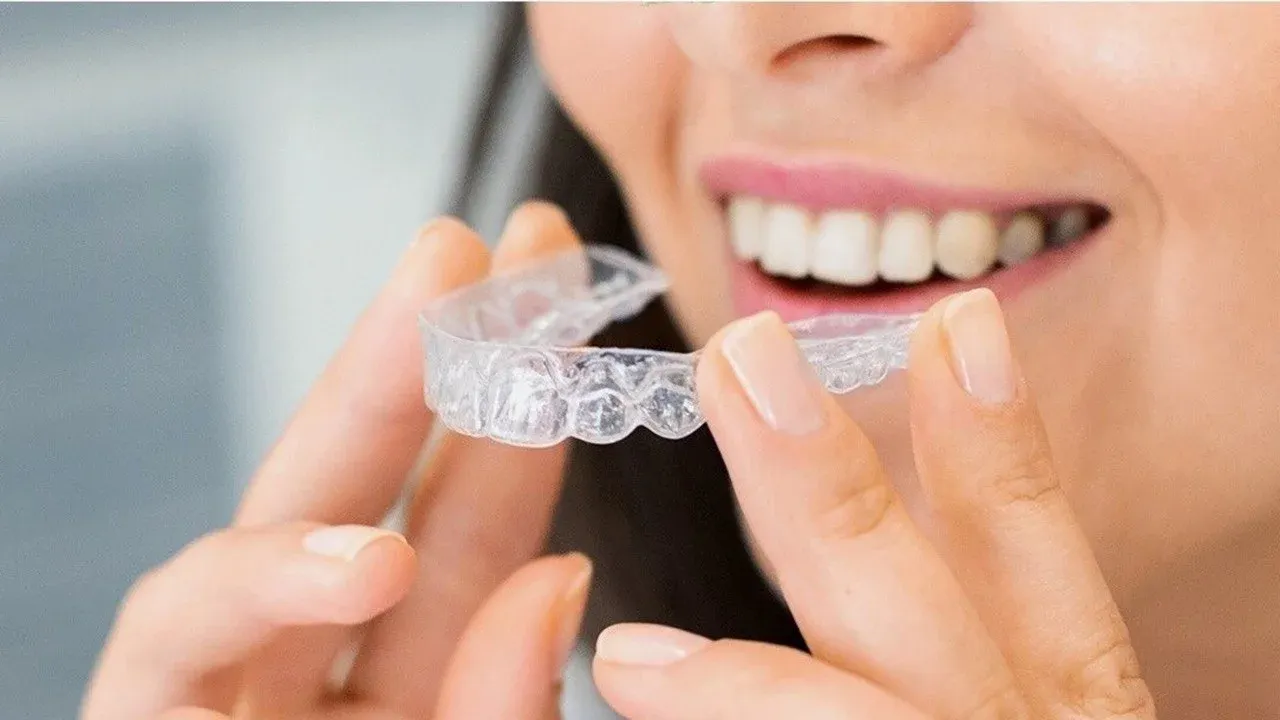
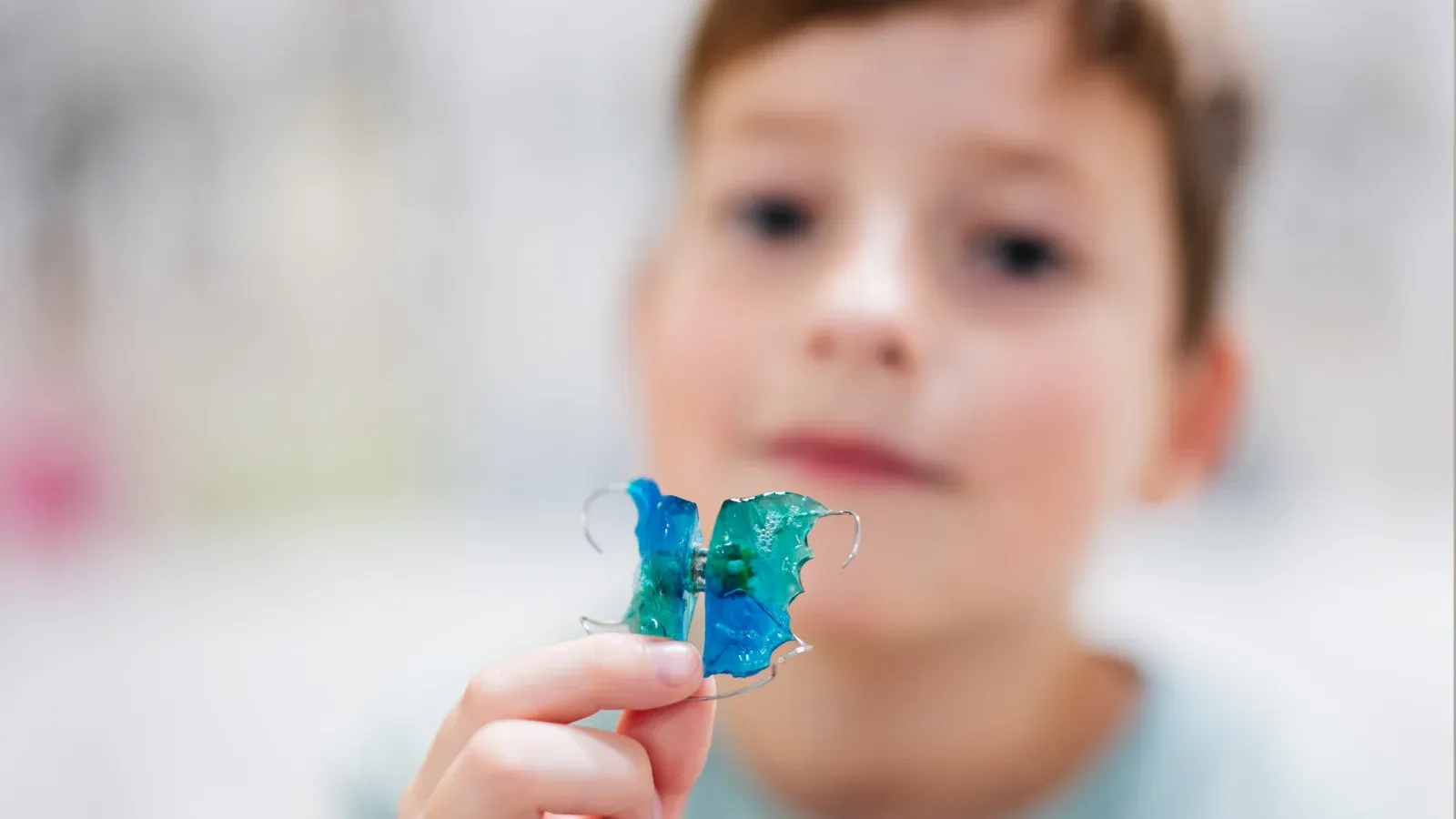
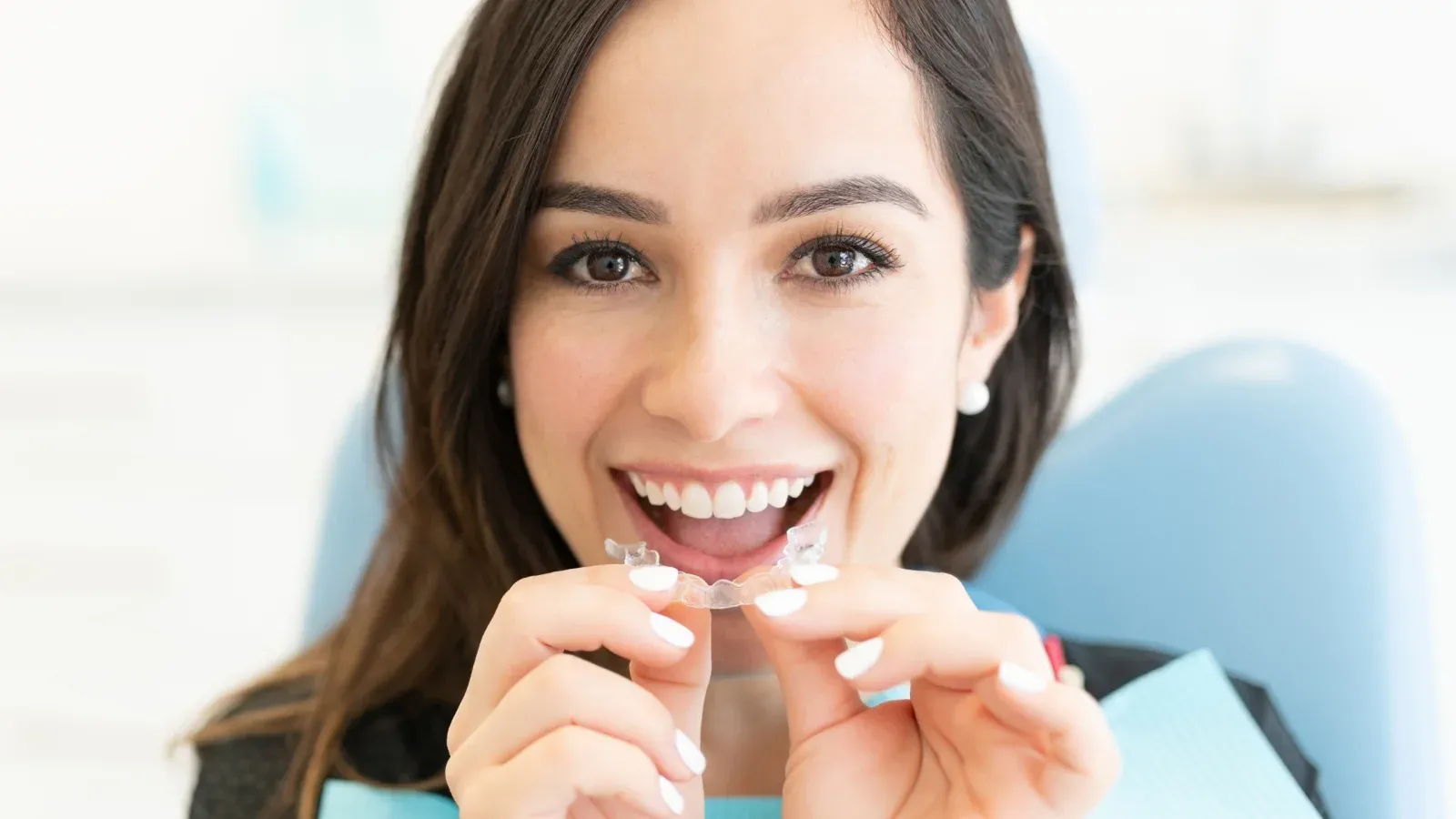
The most common form of teeth correction is the use of braces. These are available in various versions, so that they can be selected according to the existing malocclusions and your personal needs and preferences. Alongside fixed braces made of metal or ceramic, which are attached to the outside or the inside (lingual brackets), there are also removable models. So-called Invisalign or clear aligners are made of transparent plastic and are therefore considerably more discreet than conventional braces.
If you would rather not wear removable braces, but do not want conventional fixed braces either, we use very small brackets for you! With the extremely small and transparent mini brackets, your treatment proceeds almost invisibly. We would be glad to convince you of this in a personal conversation at Hakim Aesthetics.
Using fixed Class II mechanics makes sense, for example, if you suffer from a retrusive bite. With this occlusal disorder, the upper teeth sit too far in front of the lower ones. In the long run, this condition can not only make chewing and speaking more difficult, but also cause uneven loading of your temporomandibular joints.
Anchored in the mouth, these orthodontic aids work alongside specially arranged brackets and wires, with precisely dosed forces. They gently push the lower jaw forward or adjust the position of your upper teeth in order to bring everything into line. Their constant and even action makes them very effective for the lasting correction of more complex tooth and jaw malocclusions. Treatment with Class II mechanics does, however, require your cooperation: regular visits to our practice are necessary in order to adjust the appliances and keep an eye on your progress.
Mini pins are a real innovation in orthodontics and are well suited to those cases in which conventional methods reach their limits. We place these screw-like aids directly into the jawbone, where they act as fixed anchor points. With their help, we can move crooked teeth (primarily molars) into the right position even more precisely and in a more controlled way, which makes them the ideal support for complex tooth movements.
Using mini pins is straightforward: under local anesthesia, the mini pins are anchored in your jaw, so that you barely notice anything of this minimally invasive procedure. The whole process takes only a few minutes. Mini pins provide a stable basis for applying precise forces to crooked teeth. As soon as they have fulfilled their purpose, they are simply removed again. The advantages of mini pins are that they shorten the treatment time and make it unnecessary to extract healthy teeth. For you, this means an effective, fast and discreet way to enhance your smile.
Whether your health insurance covers the costs of a teeth correction depends, among other things, on your age and the type of your malocclusion. For children and adolescents, the statutory health insurance funds in Germany normally cover the costs of orthodontic treatment if it is medically necessary. This means the malocclusion has to be pronounced enough to justify treatment for the payer. From a certain degree of severity (from category 3 of the orthodontic indication groups (KIG)), the costs of the teeth correction are generally covered. Malocclusions in categories 1 and 2 may also require treatment, but they are not paid for by the payers.
For adults, unfortunately, the situation is somewhat different. Here the statutory health insurance funds usually do not cover the costs – unless it is a matter of severe jaw anomalies that have to be treated surgically, among other measures. If, on the other hand, it is mainly a treatment that does not involve jaw surgery and possible dysgnathia surgery, you will very probably have to bear the costs yourself. One exception is if you have private supplementary dental insurance that includes orthodontic treatment for adults. In that case, it is possible that the insurer will contribute to the costs. It is best to check with your insurance company in advance.
Your jaw is unique, just like the position of your teeth. To achieve an optimal teeth correction, we tailor your treatment precisely to you. Dr. Hakim stands for individual treatment concepts in his teeth correction work. These treatment concepts are based on the results of a detailed examination of your jaw and tooth position and on the consultation. In it, we explain the current problem to you and how it can best be resolved.
You always have the opportunity to ask questions and to express your wishes. Of course, we also always have an open ear for your worries and fears, and we take the time to explain everything to you in an understandable way and to make the treatment as pleasant as possible for you. Our patients are at the center of our work and feel comfortable in our practice. Because for us, your health and your well-being are the most important thing.
Featured
Diet Guidelines During Treatment with Braces
How to eat comfortably and successfully during your orthodontic treatment with braces or aligners
Read articleFeatured
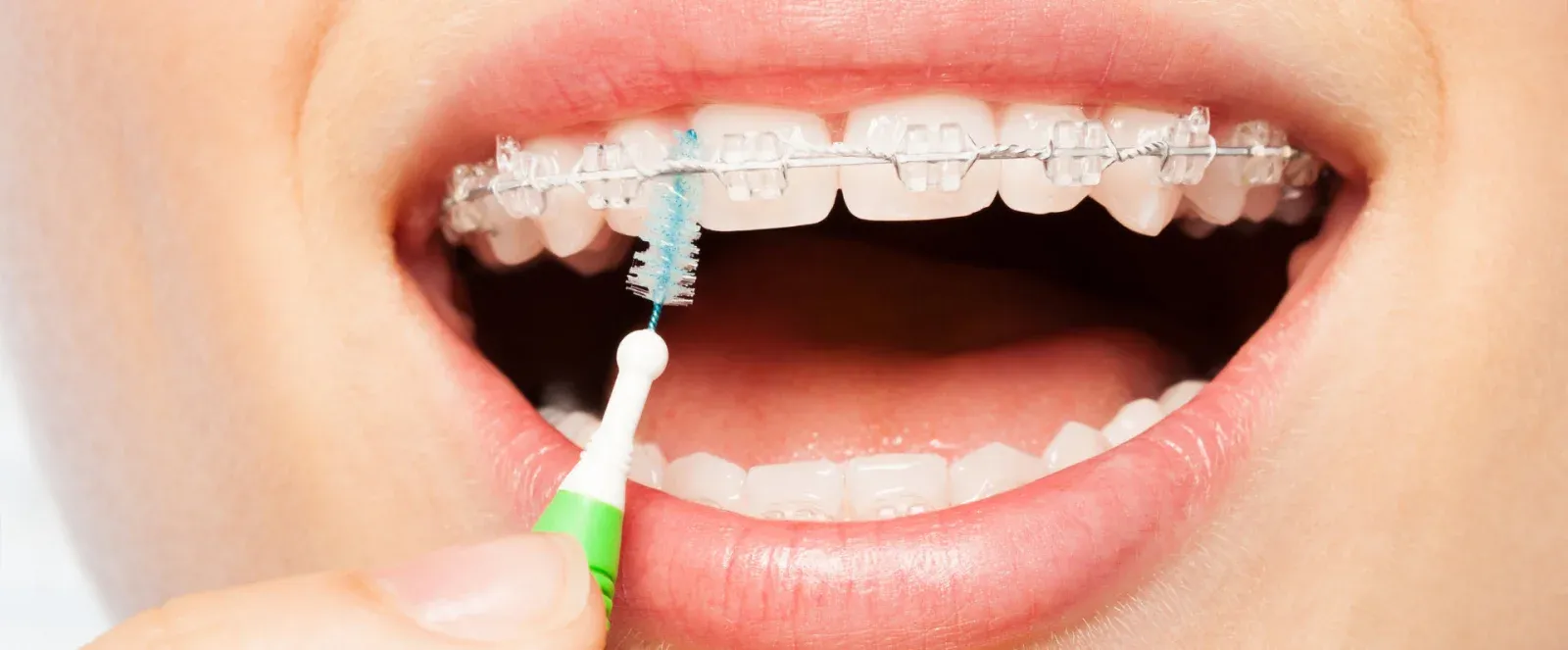
Oral Hygiene for Braces Wearers
Tips for effective oral hygiene with braces: avoid tooth decay, white spots, and inflammation. Keep your teeth and braces healthy throughout the treatment.
Read articleFeatured
Teeth Correction for Adults and Seniors
Find out how clear aligners, lingual braces or fixed braces can also correct aesthetic and functional problems later in life.
Read articleFeatured
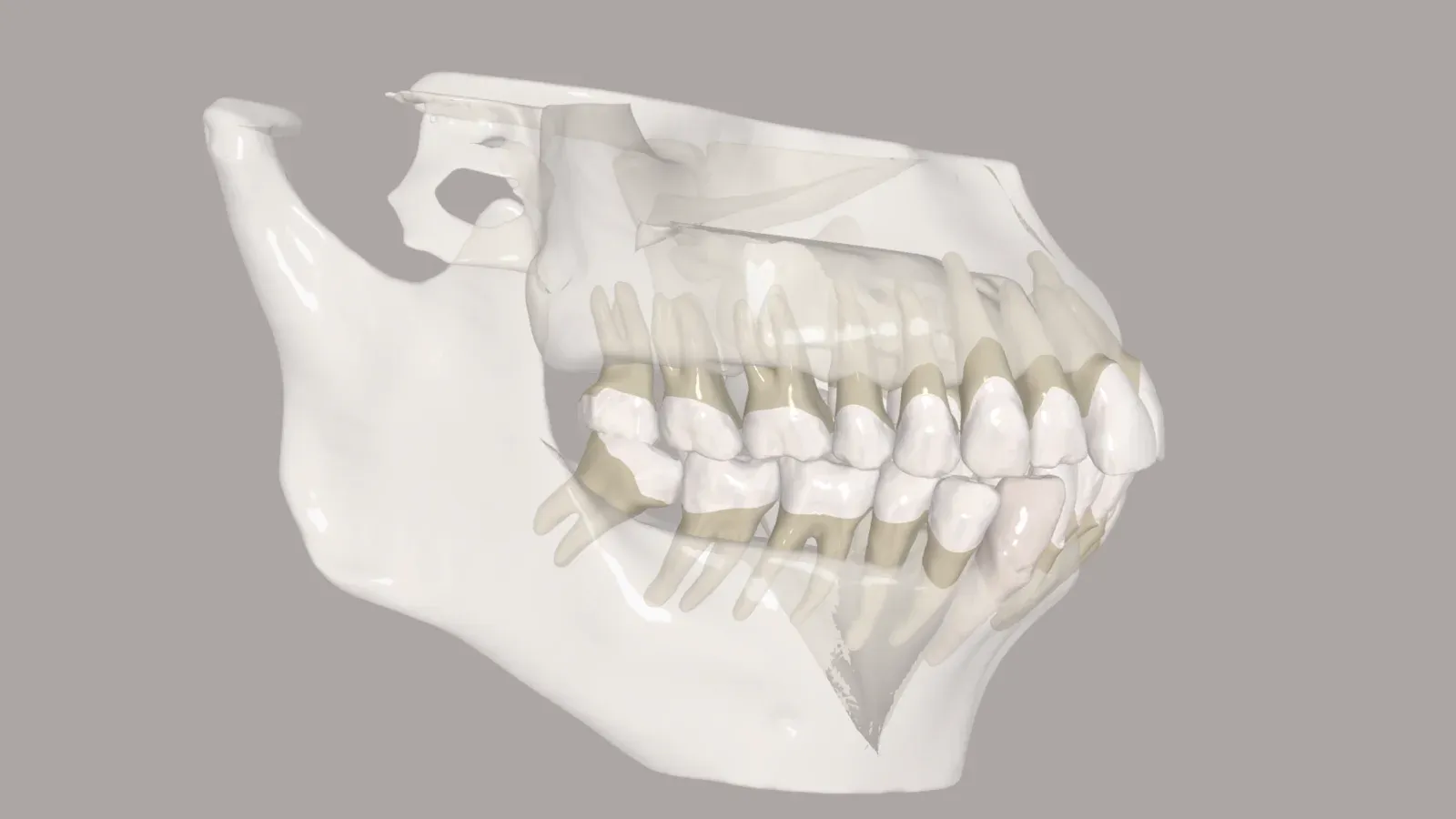
CBCT in Orthodontics Frankfurt | Precise 3D Diagnostics & Planning
Find out why cone beam computed tomography (CBCT) is crucial for your teeth straightening. Precise, with a low radiation dose at Hakim Healthcare Frankfurt.
Read articleFeatured
Aligner Therapy Avoids Tooth Extraction
Gentle aligner therapy is often possible without removing teeth. Learn when extractions can be avoided – get advice from Dr. Hakim in Frankfurt.
Read articleFeatured
Orthodontics vs. Prosthodontics
Orthodontics or prosthetic solutions? Why correcting your teeth with aligners or fixed braces is healthier and more sustainable in the long run.
Read articleFeatured
Aligner Myths at Hakim Healthcare Frankfurt
The aligner mystery – what is actually true? Hakim Aesthetics clears up the most common misconceptions and shows you what aligners can really achieve.
Read articleFeatured
Aligner Tips from Hakim Healthcare Frankfurt
Are you wearing aligners or planning a treatment? The best tips and tricks for a fast, effective and comfortable tooth correction.
Read articleFeatured
Dental Monitoring – Smart Orthodontics
Innovative orthodontics with Dental Monitoring at Hakim Aesthetics in Frankfurt. More precise control, fewer appointments – for efficient tooth correction.
Read articleFeatured
Interdisciplinary Aesthetic Dentistry
Interdisciplinary aesthetic dentistry at your orthodontist - how you benefit from the interdisciplinary collaboration in our Frankfurt practice!
Read articleFeatured
Digital Workflow in Dentistry
AI in dentistry? How is that supposed to work? Find out how you benefit from the digital workflow in dentistry and where its limits are.
Read articleFeatured
Dysgnathia | Causes, Symptoms and Treatment
Dysgnathia refers to a misalignment of the jaw. We explain the causes, the symptoms and the treatment options that are available to you.
Read articleFeatured
Overbite – Causes, Effects and Treatment
Correcting an overbite in Frankfurt – without surgery, without extraction. Dr. Hakim explains causes, effects & all treatment options. ✓ Personal initial consultation
Read articleFeatured
Gaps Between Teeth – Causes and Treatment
A gap between your teeth can look charming. But not everyone likes a gap between their teeth. We explain the treatment options available to you.
Read articleFeatured
Open Bite – Causes and Treatment
Treating an open bite – discreet & effective. Dr. Hakim, orthodontist in Frankfurt, explains all the options: aligners, fixed & removable braces.
Read articleFeatured
Crossbite – Causes and Treatment
A crossbite affects not only your appearance but also the function of your bite considerably. How a crossbite can be prevented and treated.
Read articleFeatured
Dental Splints and Aligners for Every Need
Correct misaligned teeth effectively but discreetly with a clear aligner or a dental splint.
Read articleFeatured
Options for Teeth Correction
A radiant smile adds a great deal to your self-confidence. Hakim Aesthetics orthodontics shows you the right solution for your teeth correction.
Read articleFeatured
Permanent Retainer: Lasting Tooth Correction
To make sure a tooth correction leads to lasting results, we use retainers. We explain what retainers are and when they are used.
Read articleFeatured
How Misaligned Teeth Can Be Treated
Misaligned teeth are widespread and disturb the visual appearance. We explain how they can be treated.
Read articleFeatured
Braces for Adults - Our Service
Braces for adults in Frankfurt – discreet & modern. Dr. Hakim offers fixed brackets, lingual braces & aligners. ✓ Arrange your consultation now.
Read articleFeatured
Straight Teeth for Adults
Straight teeth for adults in Frankfurt – with clear aligners or braces. Dr. Hakim advises you personally. ✓ Discreet, fast & without extraction.
Read article