Featured
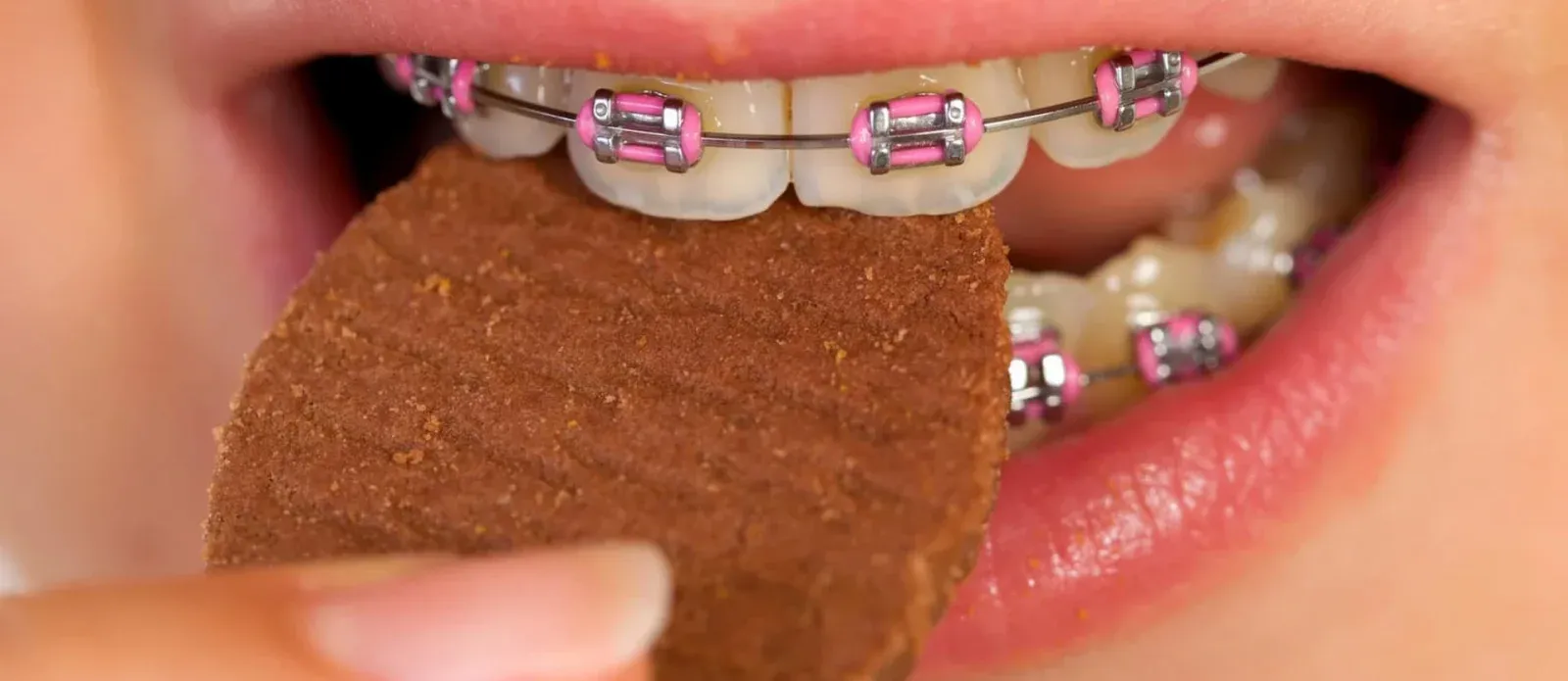
Diet Guidelines During Treatment with Braces
How to eat comfortably and successfully during your orthodontic treatment with braces or aligners
Read article



Orthodontics or prosthetic solutions? Why correcting your teeth with aligners or fixed braces is healthier and more sustainable in the long run.
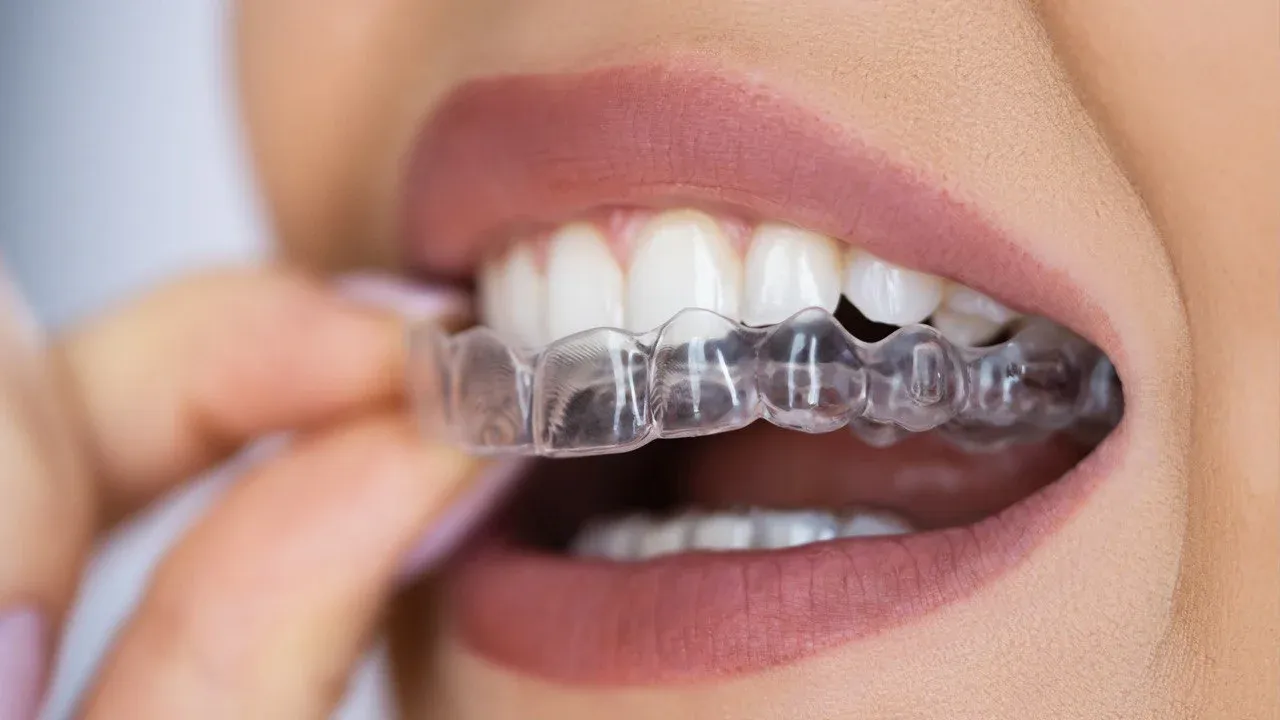
Orthodontics deals with correcting misaligned teeth and jaws through gentle tooth movement. The goal is to bring your natural teeth into an optimal position – whether for aesthetic or functional reasons. Clear aligners, Invisalign or fixed braces are used for this.
Prosthetic dentistry, on the other hand, relies on artificial solutions such as crowns, bridges or implants to replace damaged or missing teeth. While prosthodontics often becomes necessary when several teeth can no longer be preserved, orthodontics is the better choice when the natural tooth structure is to be protected, or when individual teeth can sensibly be replaced with your own teeth, such as the wisdom teeth.
A major advantage of orthodontics is that it preserves your own teeth instead of grinding them down extensively or replacing them. Tooth correction can improve not only the aesthetics but also the function of your bite. A harmonious dental arch makes cleaning easier, reduces the risk of tooth decay and periodontitis, and ensures an even, sensible distribution of load across the teeth.
Prosthetic measures such as crowns or bridges are often invasive, because healthy tooth structure has to be ground down to make room for the restoration. They also have a limited lifespan and have to be replaced several times over the course of a lifetime. Implants require surgery and usually a long healing period. Orthodontics, by contrast, offers a gentle, natural and long-lasting solution – without damaging healthy teeth.
Even though this may sound contradictory, orthodontic treatment is often a prerequisite for prosthetic aftercare. The aim of a sensibly planned therapy should be to make full use of what orthodontics can achieve for the benefit of patients, before invasive methods, where they are unavoidable, come into play. In some cases orthodontics alone is not enough – for example when several teeth are missing in the jaw, or when the teeth are too small in relation to a large jaw. This is where orthodontics and prosthodontics join hands to create the best solution for the patient.
If you are considering an aesthetic or functional tooth correction, you should always look into the orthodontic options first, before deciding on a prosthetic procedure. An early consultation helps you find the best solution for your teeth. Make sure your malocclusion is treated early – that way you can avoid later tooth loss or elaborate prosthetic restorations. In many cases a beautiful smile can already be achieved through tooth correction, which means that grinding down teeth for veneers, for example, can be avoided.
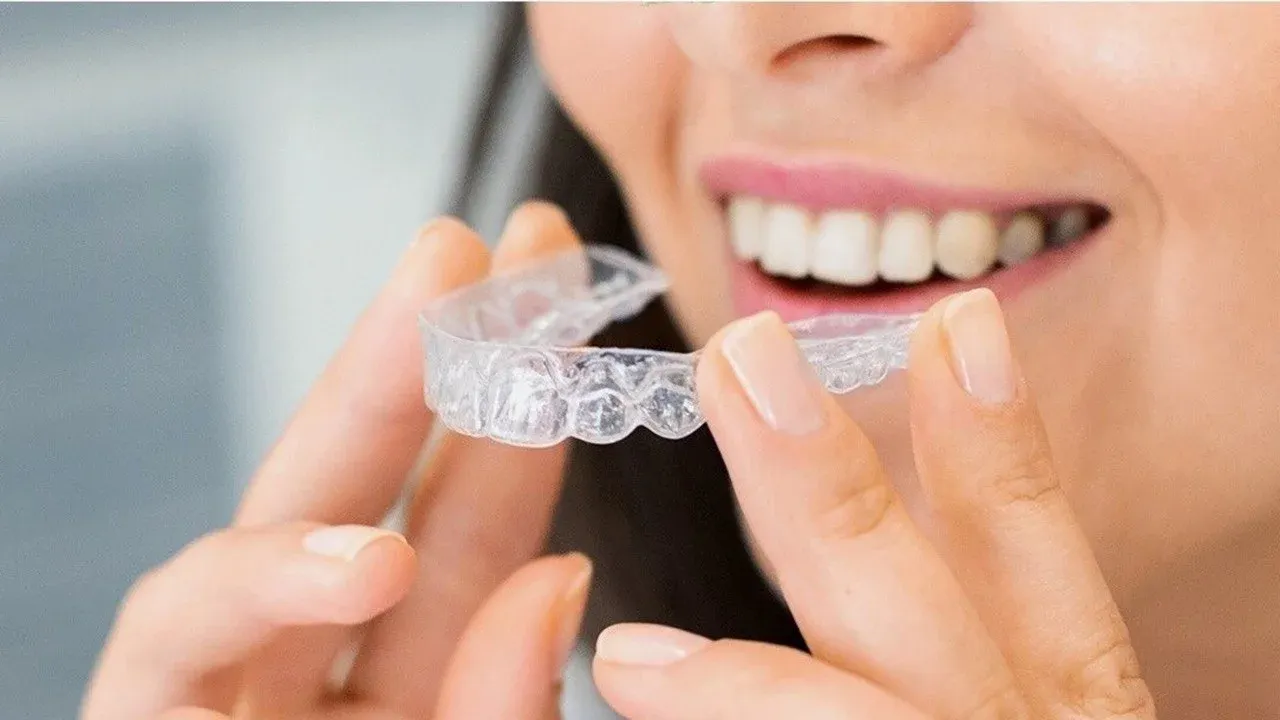
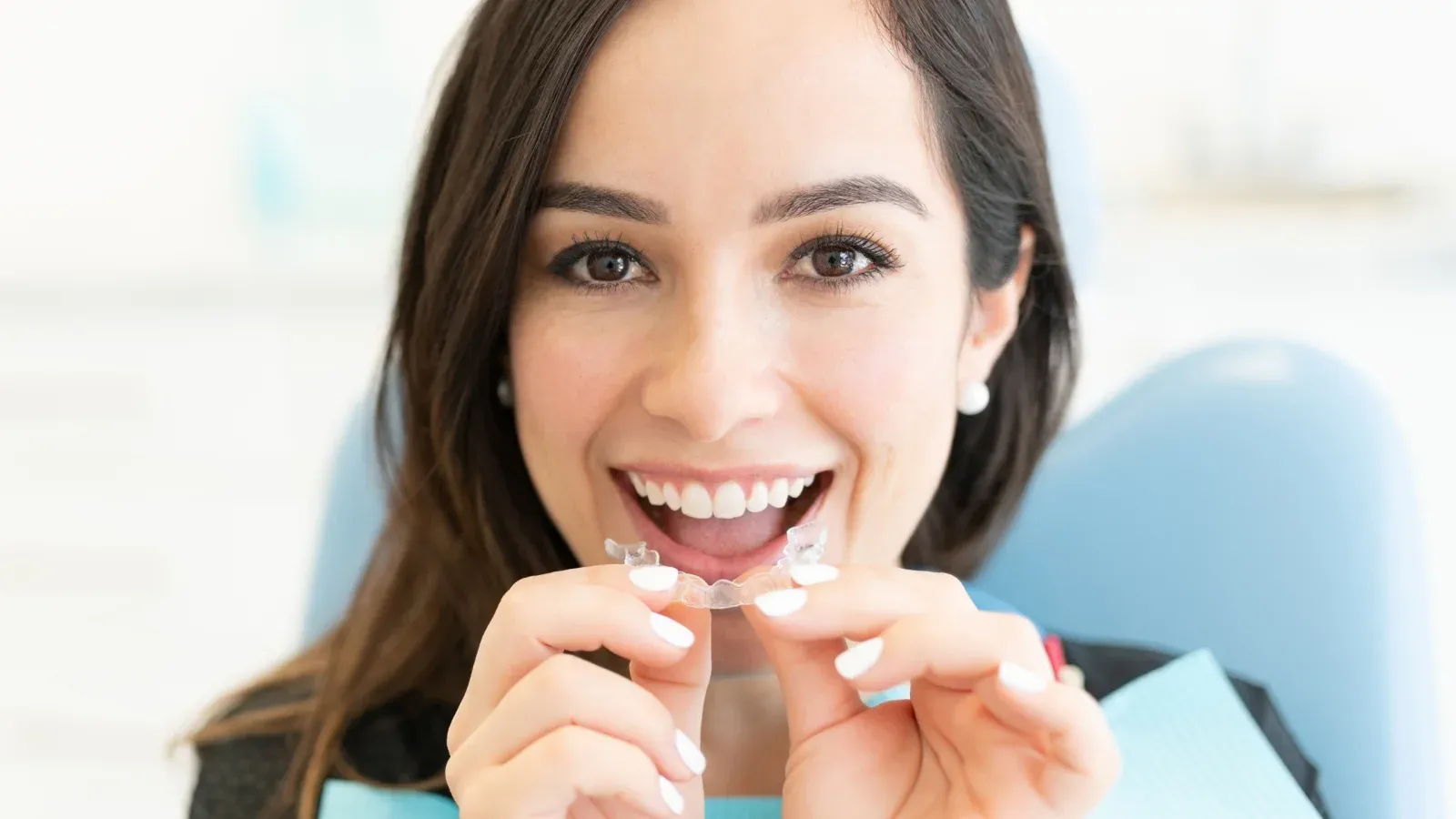
Modern aligners (Invisalign) offer you a discreet and comfortable way to move your teeth into the ideal position without sacrificing healthy tooth structure. Regular orthodontic check-ups make sure that your bite is optimally adjusted and that your teeth stay healthy in the long term.
Orthodontics offers a sustainable alternative to prosthetic dentistry that is gentle on your teeth. Instead of crowning healthy teeth, tooth correction lets you preserve your natural dentition in the long term. At Hakim Aesthetics in Frankfurt we are happy to advise you on which method is best for you. Book an appointment now and find out how you can achieve a beautiful smile the natural way!
Featured
Diet Guidelines During Treatment with Braces
How to eat comfortably and successfully during your orthodontic treatment with braces or aligners
Read articleFeatured
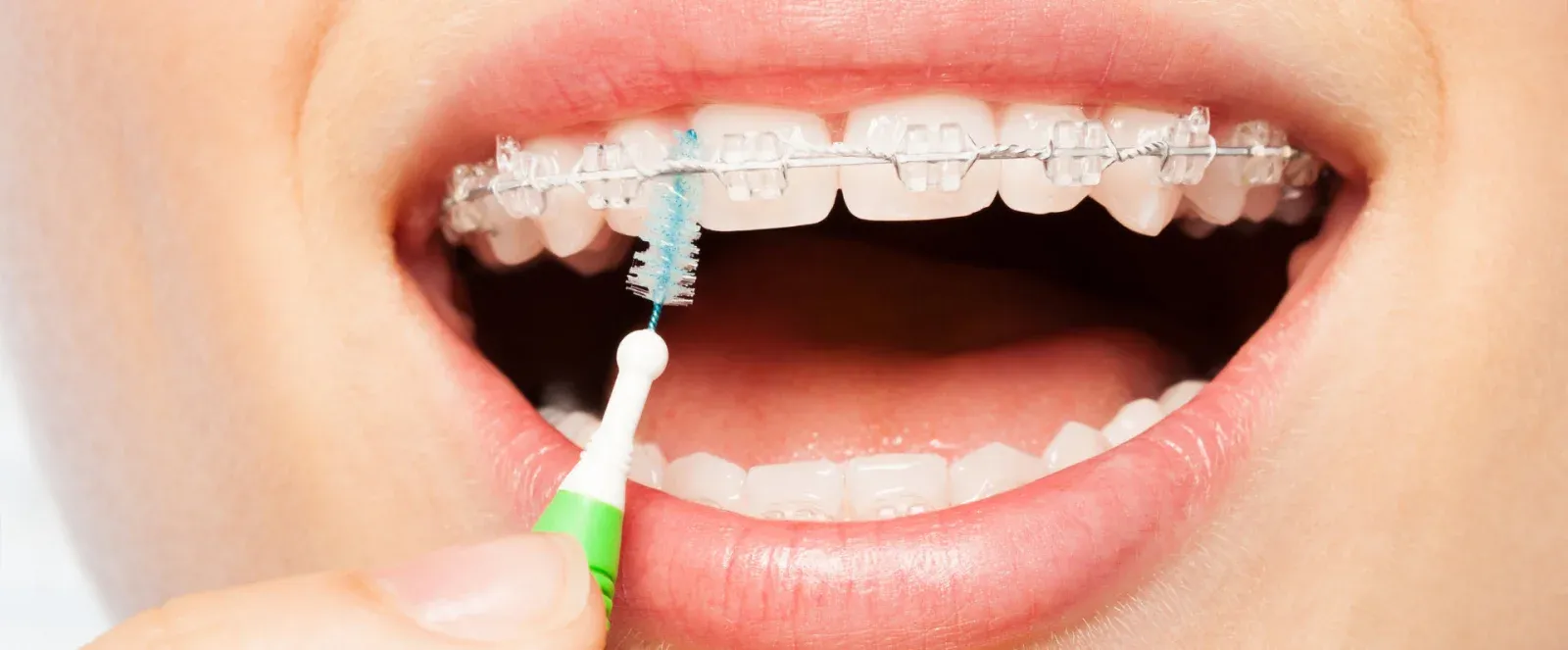
Oral Hygiene for Braces Wearers
Tips for effective oral hygiene with braces: avoid tooth decay, white spots, and inflammation. Keep your teeth and braces healthy throughout the treatment.
Read articleFeatured
Teeth Correction for Adults and Seniors
Find out how clear aligners, lingual braces or fixed braces can also correct aesthetic and functional problems later in life.
Read articleFeatured
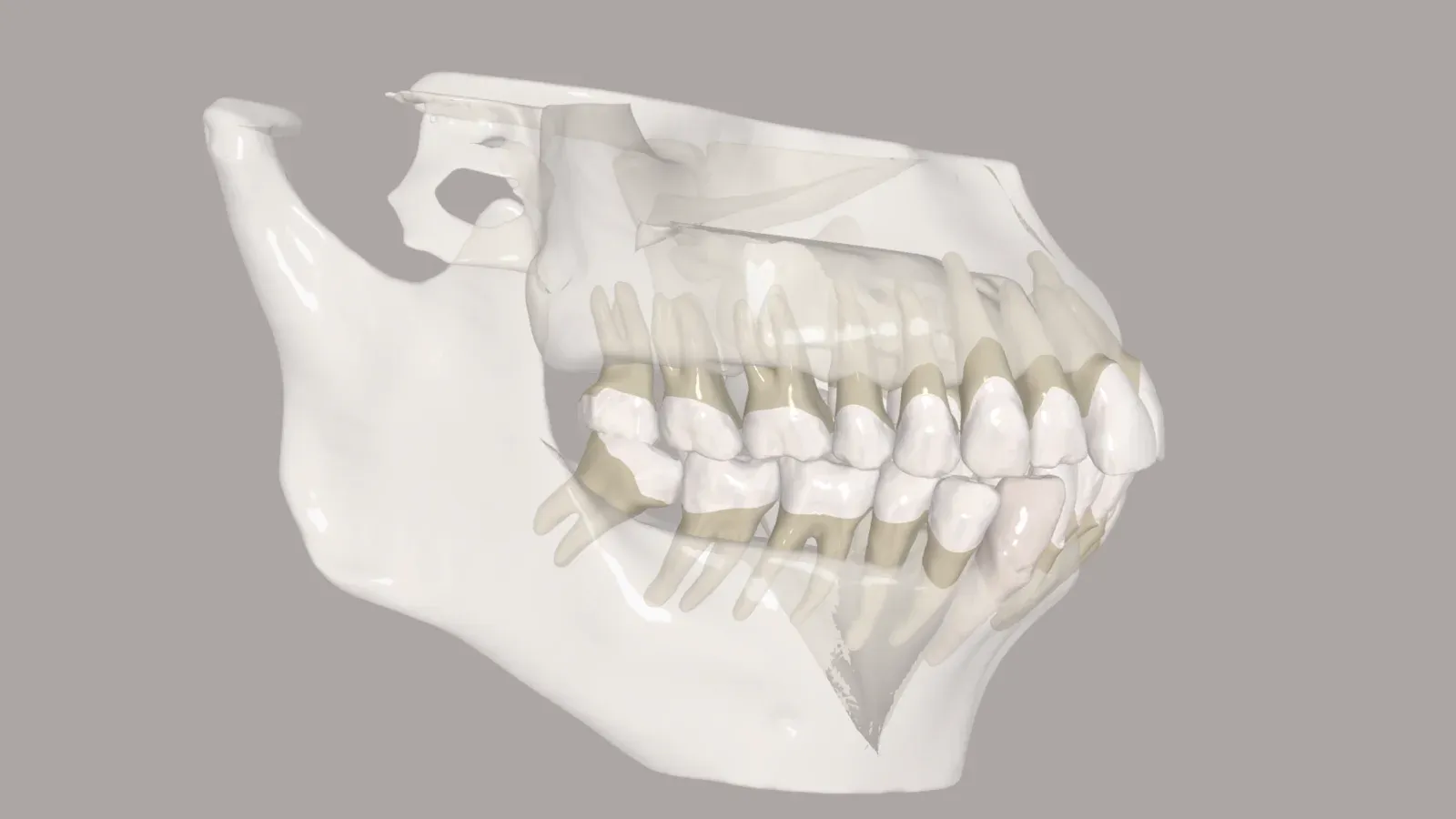
CBCT in Orthodontics Frankfurt | Precise 3D Diagnostics & Planning
Find out why cone beam computed tomography (CBCT) is crucial for your teeth straightening. Precise, with a low radiation dose at Hakim Healthcare Frankfurt.
Read articleFeatured
Aligner Therapy Avoids Tooth Extraction
Gentle aligner therapy is often possible without removing teeth. Learn when extractions can be avoided – get advice from Dr. Hakim in Frankfurt.
Read articleFeatured
Orthodontics vs. Prosthodontics
Orthodontics or prosthetic solutions? Why correcting your teeth with aligners or fixed braces is healthier and more sustainable in the long run.
Read articleFeatured
Aligner Myths at Hakim Healthcare Frankfurt
The aligner mystery – what is actually true? Hakim Aesthetics clears up the most common misconceptions and shows you what aligners can really achieve.
Read articleFeatured
Aligner Tips from Hakim Healthcare Frankfurt
Are you wearing aligners or planning a treatment? The best tips and tricks for a fast, effective and comfortable tooth correction.
Read articleFeatured
Dental Monitoring – Smart Orthodontics
Innovative orthodontics with Dental Monitoring at Hakim Aesthetics in Frankfurt. More precise control, fewer appointments – for efficient tooth correction.
Read articleFeatured
Interdisciplinary Aesthetic Dentistry
Interdisciplinary aesthetic dentistry at your orthodontist - how you benefit from the interdisciplinary collaboration in our Frankfurt practice!
Read articleFeatured
Digital Workflow in Dentistry
AI in dentistry? How is that supposed to work? Find out how you benefit from the digital workflow in dentistry and where its limits are.
Read articleFeatured
Dysgnathia | Causes, Symptoms and Treatment
Dysgnathia refers to a misalignment of the jaw. We explain the causes, the symptoms and the treatment options that are available to you.
Read articleFeatured
Overbite – Causes, Effects and Treatment
Correcting an overbite in Frankfurt – without surgery, without extraction. Dr. Hakim explains causes, effects & all treatment options. ✓ Personal initial consultation
Read articleFeatured
Gaps Between Teeth – Causes and Treatment
A gap between your teeth can look charming. But not everyone likes a gap between their teeth. We explain the treatment options available to you.
Read articleFeatured
Open Bite – Causes and Treatment
Treating an open bite – discreet & effective. Dr. Hakim, orthodontist in Frankfurt, explains all the options: aligners, fixed & removable braces.
Read articleFeatured
Crossbite – Causes and Treatment
A crossbite affects not only your appearance but also the function of your bite considerably. How a crossbite can be prevented and treated.
Read articleFeatured
Dental Splints and Aligners for Every Need
Correct misaligned teeth effectively but discreetly with a clear aligner or a dental splint.
Read articleFeatured
Options for Teeth Correction
A radiant smile adds a great deal to your self-confidence. Hakim Aesthetics orthodontics shows you the right solution for your teeth correction.
Read articleFeatured
Permanent Retainer: Lasting Tooth Correction
To make sure a tooth correction leads to lasting results, we use retainers. We explain what retainers are and when they are used.
Read articleFeatured
How Misaligned Teeth Can Be Treated
Misaligned teeth are widespread and disturb the visual appearance. We explain how they can be treated.
Read articleFeatured
Braces for Adults - Our Service
Braces for adults in Frankfurt – discreet & modern. Dr. Hakim offers fixed brackets, lingual braces & aligners. ✓ Arrange your consultation now.
Read articleFeatured
Straight Teeth for Adults
Straight teeth for adults in Frankfurt – with clear aligners or braces. Dr. Hakim advises you personally. ✓ Discreet, fast & without extraction.
Read article