Featured
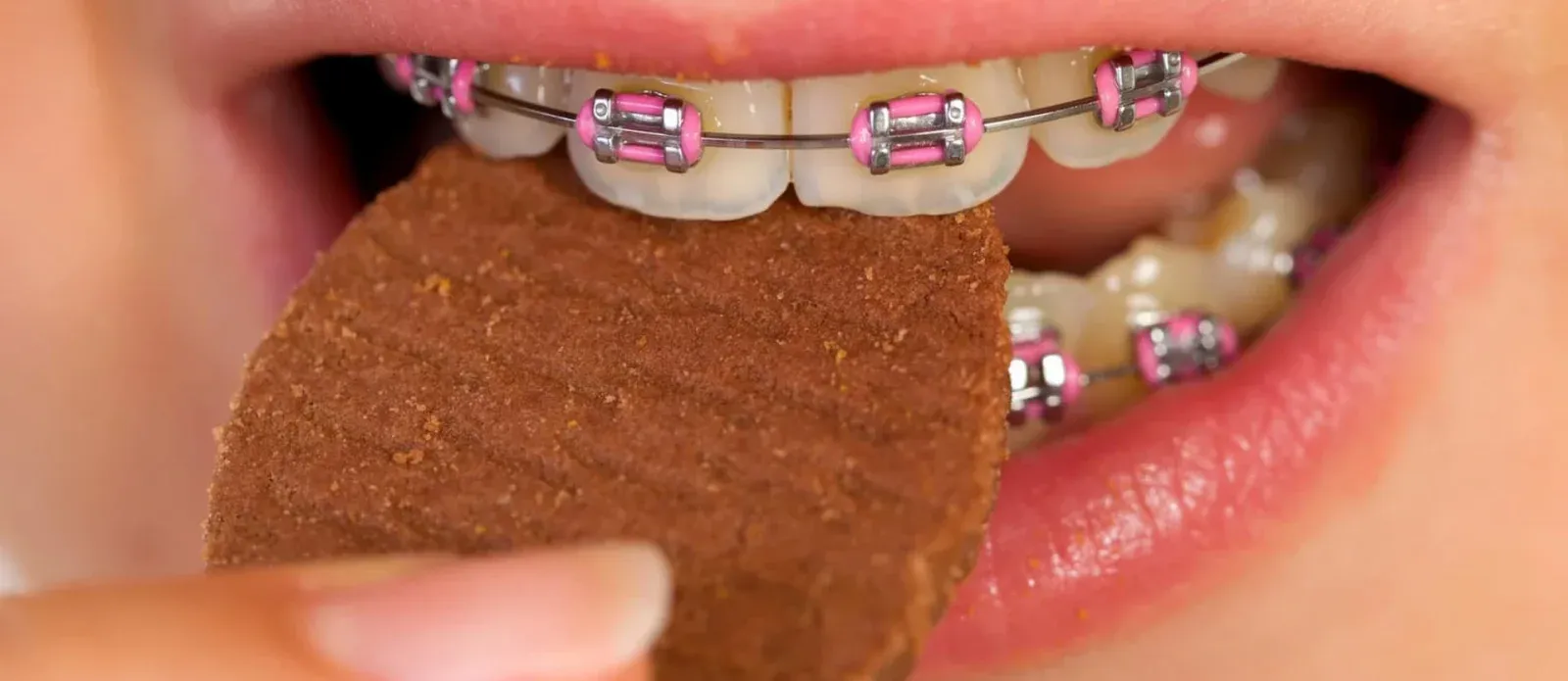
Diet Guidelines During Treatment with Braces
How to eat comfortably and successfully during your orthodontic treatment with braces or aligners
Read article



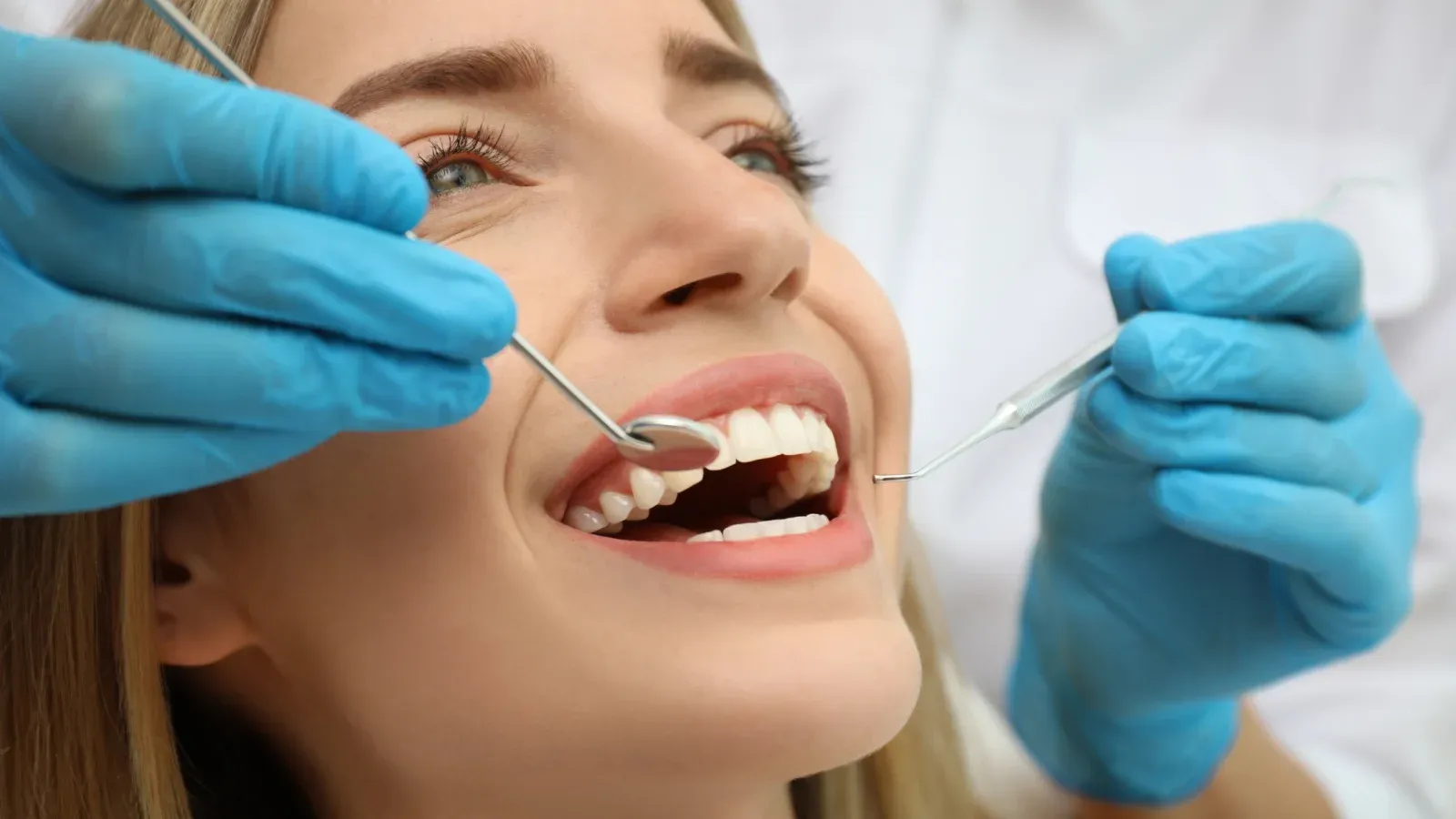
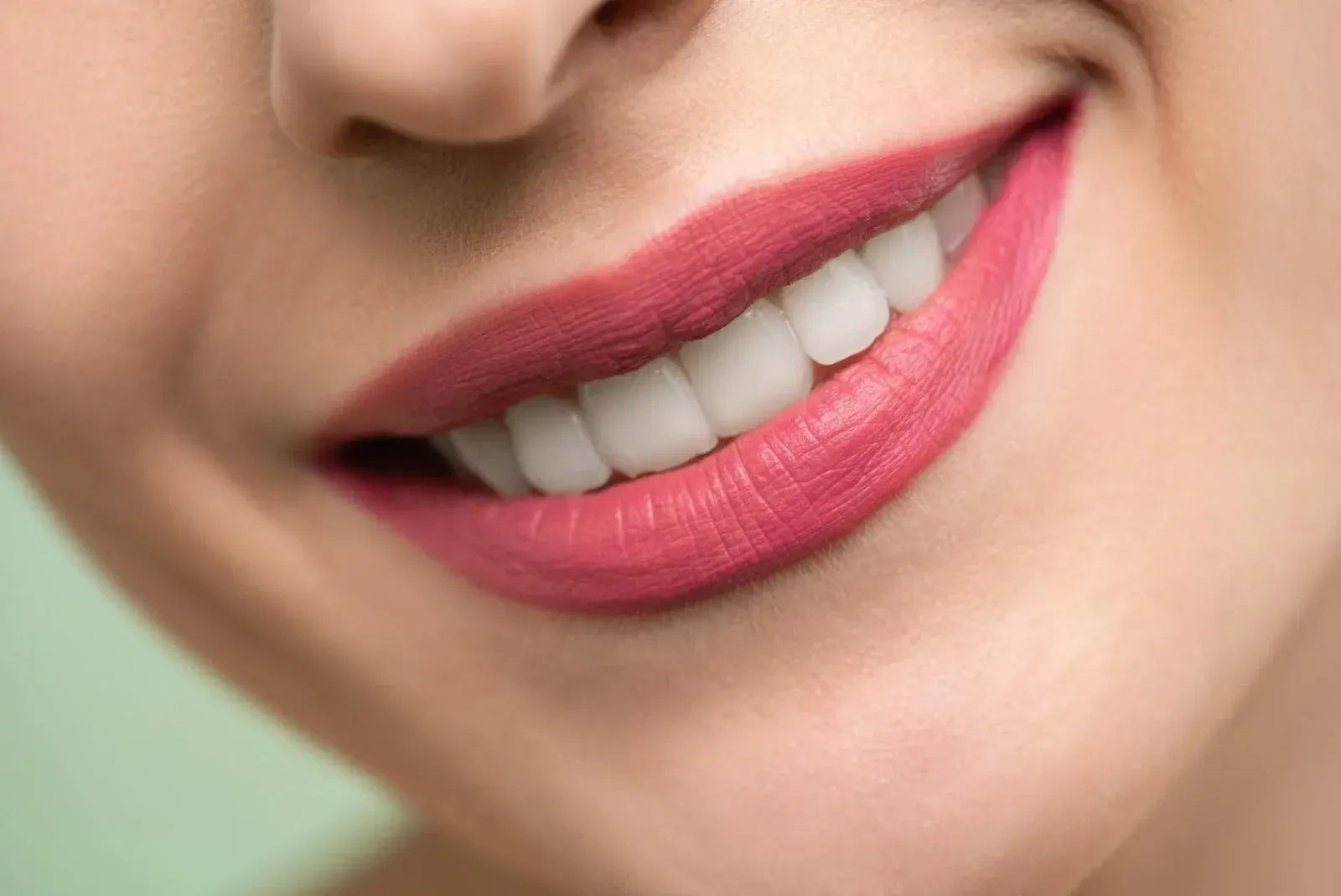
Interdisciplinary aesthetic dentistry at your orthodontist - how you benefit from the interdisciplinary collaboration in our Frankfurt practice!
Find out what is possible in orthodontics today and why you benefit from interdisciplinary aesthetic dentistry in our practice.
Orthodontics and aesthetic dentistry are two fields that may look like they have different priorities at first glance, but in practice they complement each other well.
Orthodontics is primarily about correcting misaligned teeth and jaws. Aesthetic dentistry, on the other hand, focuses on a smile you feel good about and on the outward appearance of the teeth at the end of the treatment. But in order to create sufficient groundwork for that, both disciplines have to work hand in hand.
Your advantage: by combining orthodontics and aesthetic dentistry, it is possible not only to resolve functional jaw problems, but also to achieve visually impressive results.
In this article we take a closer look at how this collaboration works and what advantages it offers you as a patient.
Orthodontic treatments and treatments in aesthetic dentistry differ above all in their objectives, their treatment methods and the duration of the treatment.
The focus of orthodontics is on correcting misaligned teeth and/or jaws. The aim of orthodontic treatment is to improve the functionality of the dentition through this correction and thus to ensure healthy tooth and jaw function in the long term.
Typical examples of use are crowding or misalignments such as an overbite, underbite or crossbite. These are corrected with braces (fixed or removable, depending on the patient), aligners, retainers or - in some cases - as part of oral surgery procedures. With methods in which the teeth have to be moved gradually into their new position, the treatment can take several months to years.
In aesthetic dentistry, improving the outward appearance of the teeth is the priority. Treating functional problems is generally not the main concern here. Typical applications include whitening the teeth (bleaching), placing crowns or veneers and correcting small irregularities of the teeth or gums for a more beautiful smile.
Compared with orthodontic treatments, most aesthetic treatment methods are shorter term and can - depending on the procedure - be completed within a few sessions or even in a single visit to the dentist.
Even though orthodontics and aesthetic dentistry are not the same thing, both disciplines can improve the appearance of your teeth and enhance your smile.
Your advantage: in order to achieve both aesthetic and functional improvements, the corresponding treatments can be combined as part of a holistic treatment approach in our practice.
For a holistic treatment approach that pursues both functional and aesthetic goals, the interdisciplinary collaboration between orthodontics and aesthetic dentistry plays a decisive role. Orthodontic treatment ensures that your teeth are properly aligned. For a beautiful and radiant smile, however, it may be necessary to address aesthetic issues such as discoloration of the teeth, uneven tooth shapes or small gaps. This is exactly where aesthetic dentistry comes in. It further optimizes the appearance of your teeth through procedures such as professional tooth whitening, tooth shape correction or veneers.
Conversely, aesthetic dentistry may depend on an orthodontic correction to create the prerequisites, or rather the optimal conditions, for aesthetic measures. Orthodontics is often a preparatory measure for aesthetic treatments. For example, straightening crooked teeth may be necessary before veneers or crowns can be placed.
For the best results, we work together with your dentist in special cases.
In some cases, interdisciplinary collaboration with your dentist makes sense in order to achieve the best results.
In implant preparation, preparing the gap through the orthodontist can be useful in order to place the implant precisely. Depending on the initial situation, a gap has to be widened for this. In addition, it may be necessary to correct major tooth malpositions or rotations before the implant is placed, in order to minimize or avoid later surgical procedures.
With what is known as a gummy smile, an unusually large amount of gum tissue is visible above the upper incisors, so that the teeth appear smaller or shortened in comparison with the gums. In these cases, too, it makes sense for dentist and orthodontist to consult with each other. Because what needs to be clarified here is whether, in the specific case, an orthodontic tooth movement or a surgical correction of the gums is the better solution.
With a “deep bite”, in which the upper incisors cover the lower ones almost completely, interdisciplinary collaboration is extremely helpful: here, orthodontics can correct the misalignment in such a way that the tooth substance of the affected teeth is preserved. Without orthodontics, elaborate measures such as grinding down the teeth and large crown build-ups would be necessary.
In the interdisciplinary collaboration between dentist and orthodontist, precise planning and good communication are the basic prerequisites for shared treatment success.
Only if the planning takes aesthetic and functional aspects into account from the very beginning is a long-term, minimally invasive treatment possible in which unnecessary procedures are avoided.
Orthodontics and aesthetic dentistry require different treatments, which often run one after the other or in parallel. For both disciplines to mesh smoothly and for a coherent result to be achieved, precise and structured planning is needed. This begins with the diagnostics, which take into account both the medical starting situation and the individual needs of the patient.
Regular exchange between orthodontist and dentist is indispensable for the planning. In our practice we have state-of-the-art equipment that makes digital treatment planning possible. Close communication with all treating doctors ensures that the treatment goals are clearly defined. The treatment steps as well as the treatment progress are digitized and visualized for you directly on the screen. That way you are always up to date about the treatment.
The interdisciplinary collaboration between aesthetic dentistry and orthodontics brings many advantages with it: orthodontic measures generally make it possible to treat teeth and tissue as minimally invasively as possible and to preserve the natural tooth substance, which has a positive long-term effect on your (dental) health and also on the aesthetics.
Close collaboration makes it possible to achieve long-term results that are stable in both functional and aesthetic terms. And last but not least, the interdisciplinary collaboration between orthodontics and dentist reduces the risk of later complications when prosthodontics or surgical procedures are used.
Find out now how you can achieve the individual aesthetic result you want. We would be happy to advise you in our orthodontic practice in Frankfurt. Feel free to book an online appointment, we are here for you.
Featured
Diet Guidelines During Treatment with Braces
How to eat comfortably and successfully during your orthodontic treatment with braces or aligners
Read articleFeatured
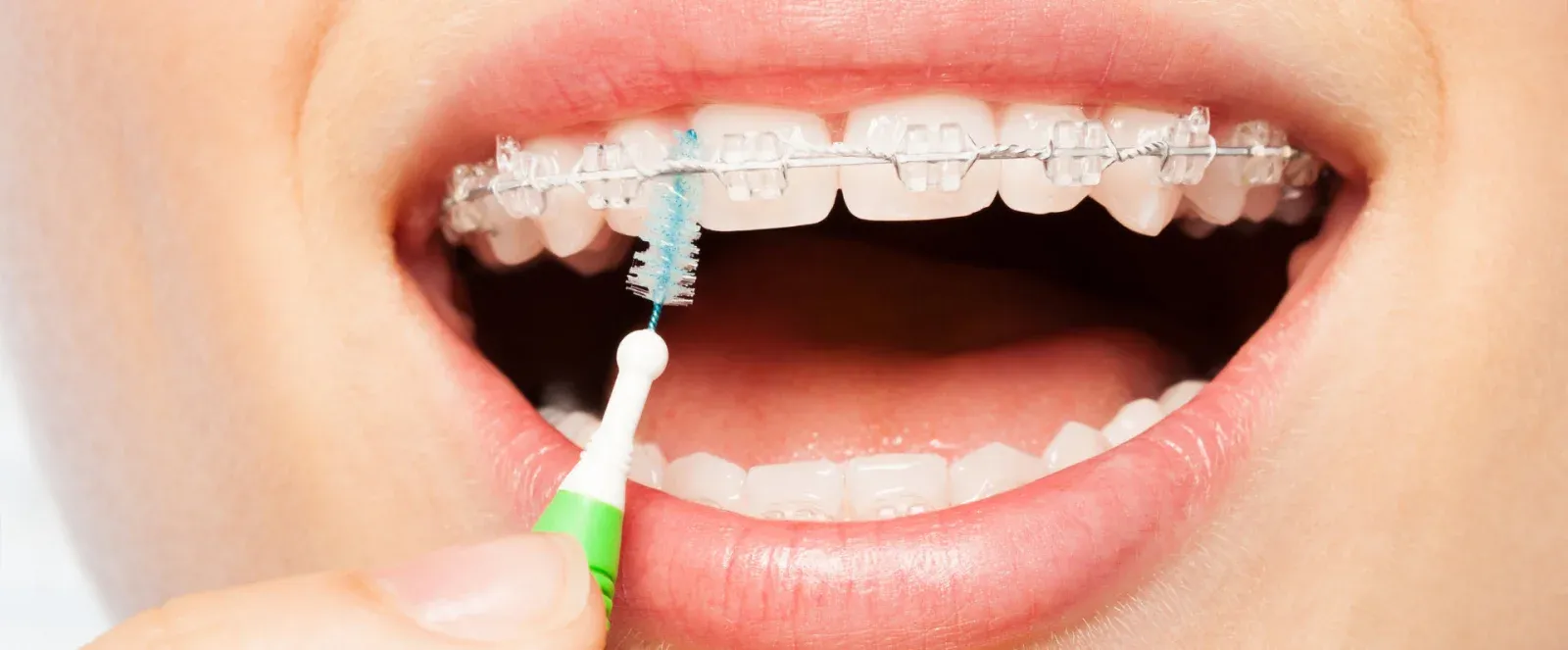
Oral Hygiene for Braces Wearers
Tips for effective oral hygiene with braces: avoid tooth decay, white spots, and inflammation. Keep your teeth and braces healthy throughout the treatment.
Read articleFeatured
Teeth Correction for Adults and Seniors
Find out how clear aligners, lingual braces or fixed braces can also correct aesthetic and functional problems later in life.
Read articleFeatured
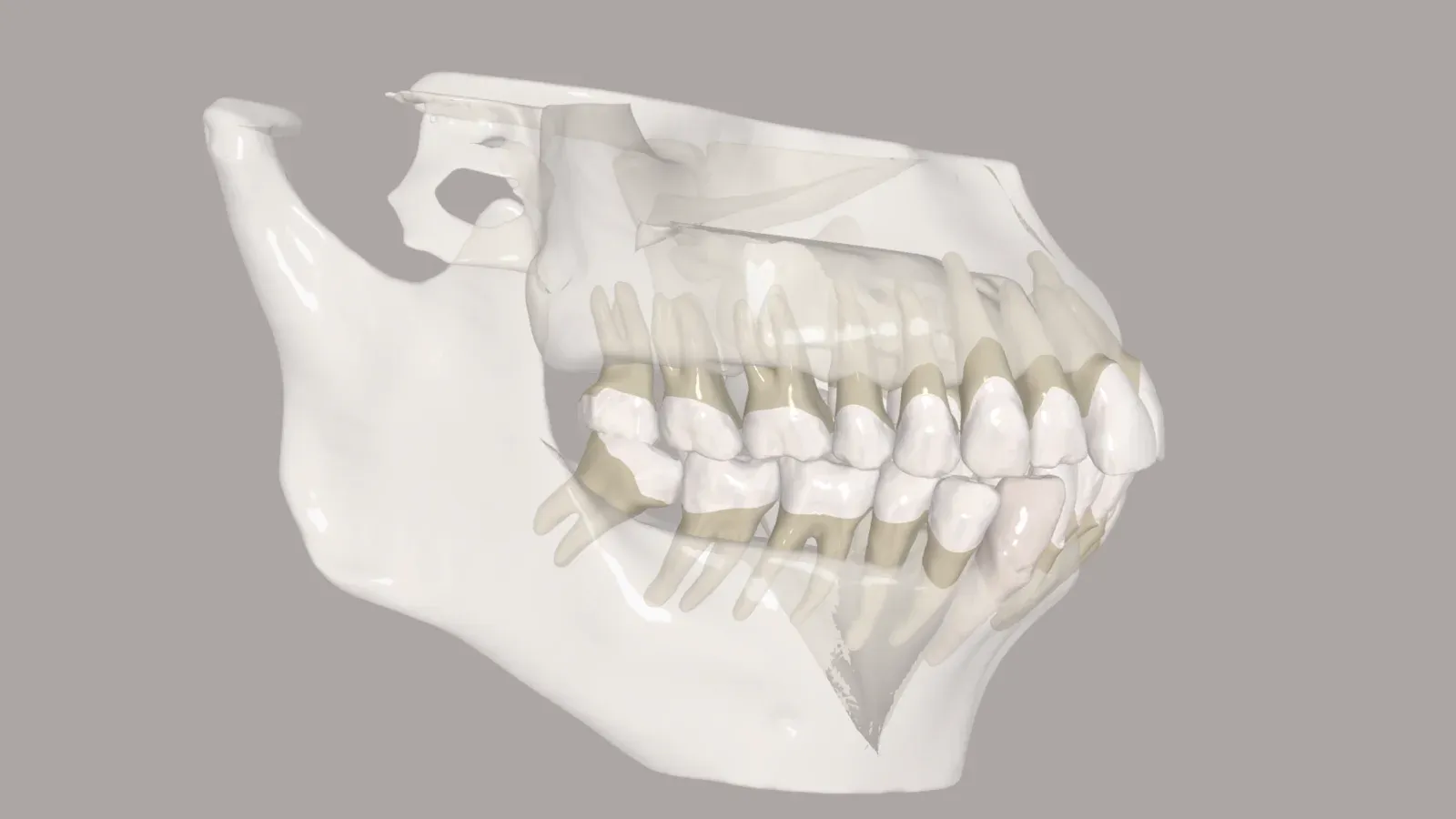
CBCT in Orthodontics Frankfurt | Precise 3D Diagnostics & Planning
Find out why cone beam computed tomography (CBCT) is crucial for your teeth straightening. Precise, with a low radiation dose at Hakim Healthcare Frankfurt.
Read articleFeatured
Aligner Therapy Avoids Tooth Extraction
Gentle aligner therapy is often possible without removing teeth. Learn when extractions can be avoided – get advice from Dr. Hakim in Frankfurt.
Read articleFeatured
Orthodontics vs. Prosthodontics
Orthodontics or prosthetic solutions? Why correcting your teeth with aligners or fixed braces is healthier and more sustainable in the long run.
Read articleFeatured
Aligner Myths at Hakim Healthcare Frankfurt
The aligner mystery – what is actually true? Hakim Aesthetics clears up the most common misconceptions and shows you what aligners can really achieve.
Read articleFeatured
Aligner Tips from Hakim Healthcare Frankfurt
Are you wearing aligners or planning a treatment? The best tips and tricks for a fast, effective and comfortable tooth correction.
Read articleFeatured
Dental Monitoring – Smart Orthodontics
Innovative orthodontics with Dental Monitoring at Hakim Aesthetics in Frankfurt. More precise control, fewer appointments – for efficient tooth correction.
Read articleFeatured
Interdisciplinary Aesthetic Dentistry
Interdisciplinary aesthetic dentistry at your orthodontist - how you benefit from the interdisciplinary collaboration in our Frankfurt practice!
Read articleFeatured
Digital Workflow in Dentistry
AI in dentistry? How is that supposed to work? Find out how you benefit from the digital workflow in dentistry and where its limits are.
Read articleFeatured
Dysgnathia | Causes, Symptoms and Treatment
Dysgnathia refers to a misalignment of the jaw. We explain the causes, the symptoms and the treatment options that are available to you.
Read articleFeatured
Overbite – Causes, Effects and Treatment
Correcting an overbite in Frankfurt – without surgery, without extraction. Dr. Hakim explains causes, effects & all treatment options. ✓ Personal initial consultation
Read articleFeatured
Gaps Between Teeth – Causes and Treatment
A gap between your teeth can look charming. But not everyone likes a gap between their teeth. We explain the treatment options available to you.
Read articleFeatured
Open Bite – Causes and Treatment
Treating an open bite – discreet & effective. Dr. Hakim, orthodontist in Frankfurt, explains all the options: aligners, fixed & removable braces.
Read articleFeatured
Crossbite – Causes and Treatment
A crossbite affects not only your appearance but also the function of your bite considerably. How a crossbite can be prevented and treated.
Read articleFeatured
Dental Splints and Aligners for Every Need
Correct misaligned teeth effectively but discreetly with a clear aligner or a dental splint.
Read articleFeatured
Options for Teeth Correction
A radiant smile adds a great deal to your self-confidence. Hakim Aesthetics orthodontics shows you the right solution for your teeth correction.
Read articleFeatured
Permanent Retainer: Lasting Tooth Correction
To make sure a tooth correction leads to lasting results, we use retainers. We explain what retainers are and when they are used.
Read articleFeatured
How Misaligned Teeth Can Be Treated
Misaligned teeth are widespread and disturb the visual appearance. We explain how they can be treated.
Read articleFeatured
Braces for Adults - Our Service
Braces for adults in Frankfurt – discreet & modern. Dr. Hakim offers fixed brackets, lingual braces & aligners. ✓ Arrange your consultation now.
Read articleFeatured
Straight Teeth for Adults
Straight teeth for adults in Frankfurt – with clear aligners or braces. Dr. Hakim advises you personally. ✓ Discreet, fast & without extraction.
Read article