Featured
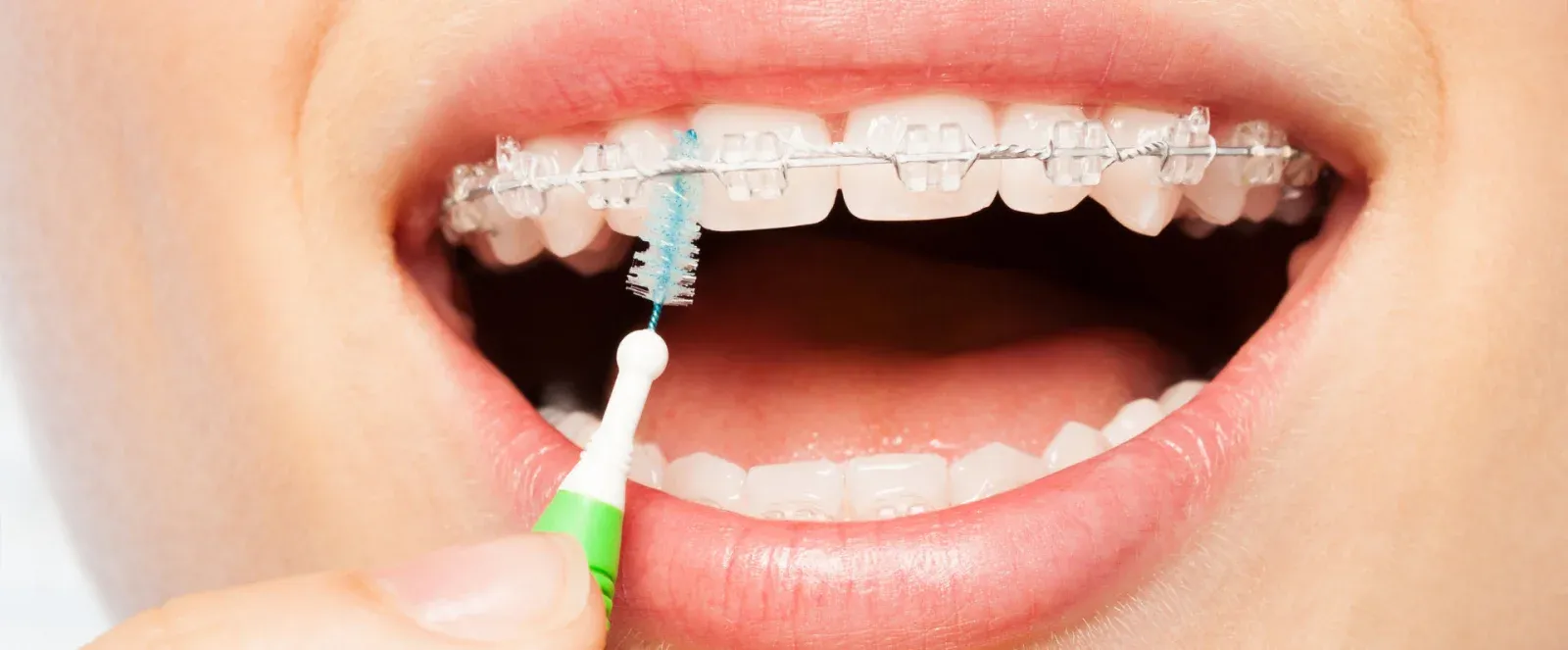
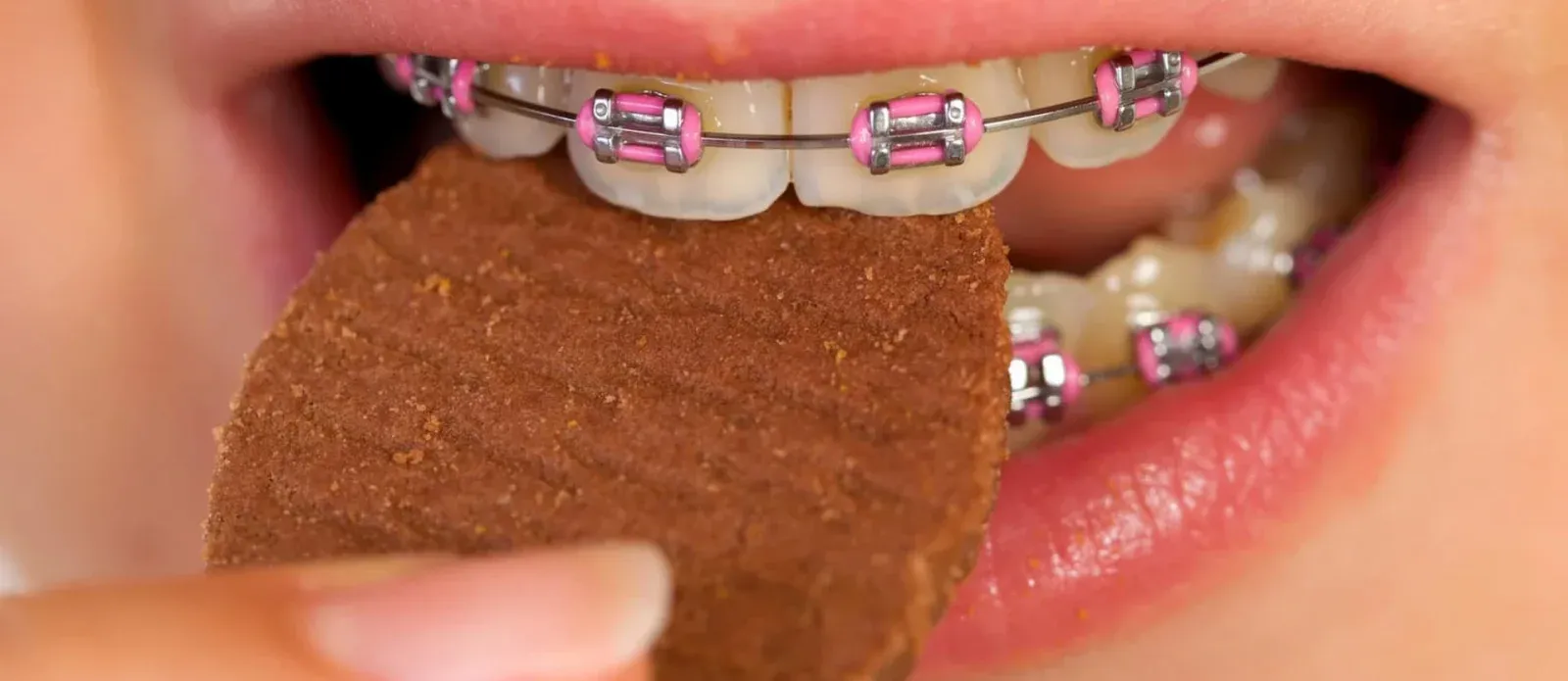
Diet Guidelines During Treatment with Braces
How to eat comfortably and successfully during your orthodontic treatment with braces or aligners
Read article



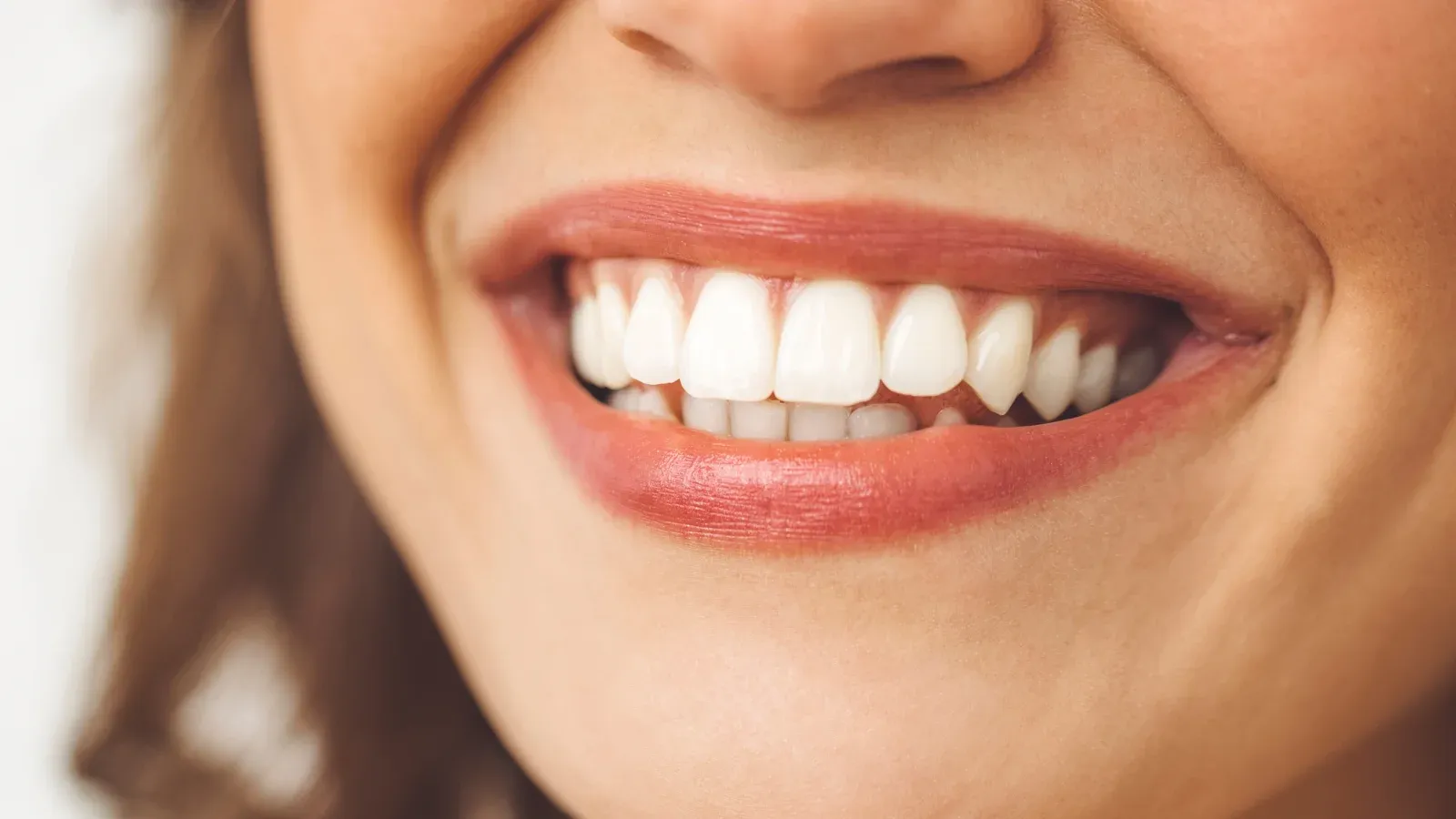
Misaligned teeth are widespread and disturb the visual appearance. We explain how they can be treated.
However different they may be, misaligned teeth can be corrected well. A range of treatment options is available for this. Which ones these are, and which treatments are best suited to which malocclusions, is what you will learn here.
Treatment options for misaligned jaws and teeth
A personal consultation for a suitable treatment
Teeth can deviate from their normal alignment in the mouth in various ways. The following overview describes the most common malocclusions and the problems that could result from them.
With an underbite, the lower jaw is too long in relation to the upper jaw (or the upper jaw too short in relation to the lower jaw), which not only makes the chin appear excessively large but also leads to an abnormal bite position. Depending on how pronounced the underbite is, it can lead to problems with chewing and even with speaking.
With an overbite, the upper jaw is too large in relation to the lower jaw (or the lower jaw too small in relation to the upper jaw), so that it protrudes beyond the lower jaw. If it is strongly pronounced, chewing problems, muscle tension and temporomandibular joint complaints can occur as a result, and there is a risk of increased tooth wear.
Crowding occurs when the jaw is very small and does not offer enough space for all the teeth. This can cause teeth to overlap, and sometimes the teeth are wedged above or below one another. Such a jumbled tooth position can make dental care more difficult and increase the risk of tooth decay and gum disease.
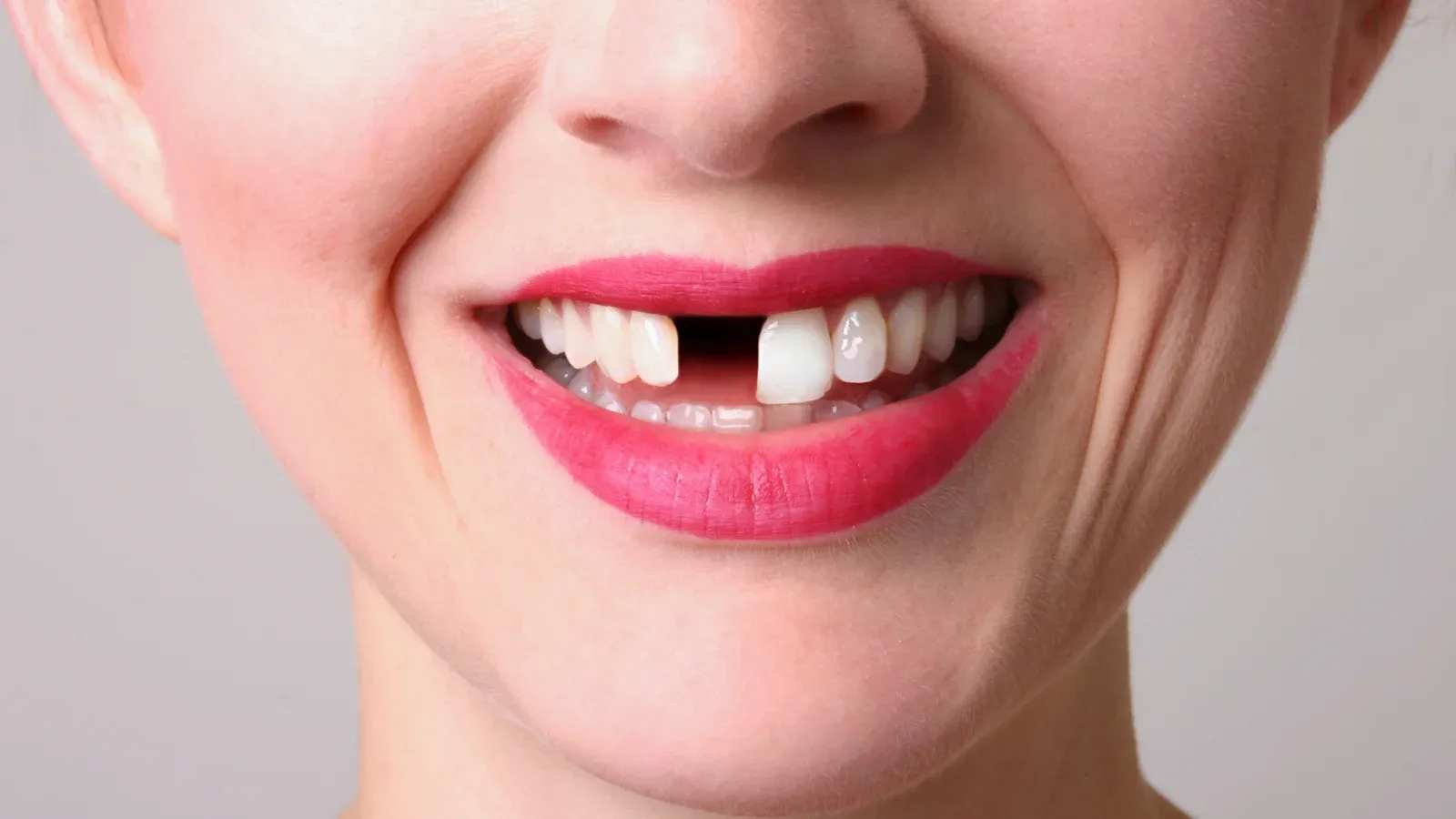
Gaps between teeth occur when the jaw is very large and offers excessive space for all the teeth, or when the teeth are too small in relation to the jaw. This can result in spacing that is aesthetically noticeable. If gaps occur in connection with crowding in other areas, this requires medical treatment. In many cases the aesthetic appearance is unpleasant for patients and there is a desire for treatment. Spacing can also lead to speech disorders, which usually place a psychological burden on patients.
With a crossbite, the teeth of the upper and lower jaw are positioned so that their chewing surfaces do not meet properly when biting together. This can be because the lateral teeth in the upper jaw are positioned too far inward or the lateral teeth in the lower jaw too far outward. This can lead to bite problems, temporomandibular joint complaints and increased tooth wear (sometimes also on one side only).
Aplasia refers to the absence of teeth caused genetically or by a developmental disorder. This means that after the baby teeth fall out, no permanent teeth grow in. The resulting gaps in the dentition not only disturb the aesthetics but can also impair chewing and speaking.
With a deep bite, the upper incisors excessively cover the lower incisors when biting together (an overlap of about 2-3 mm is normal). As a result, the teeth wear down more and bite problems and temporomandibular joint complaints can occur. If the upper incisors are additionally tipped inward, this is what is known as a covered bite. In addition, injuries to the gums can occur and cause misaligned teeth.
With an open bite, the bite does not close sufficiently at the front or lateral teeth (an overlap of about 2-3 mm is normal). As a result, the other teeth wear down more and bite problems and temporomandibular joint complaints can occur. Some patients regularly have the problem of not being able to bite off and chew sufficiently, which can also lead to digestive problems or a decline in the quality of their diet.
Misaligned teeth can be not only genetically determined but can also result from tooth loss or certain habits (e.g. thumb sucking). Regardless of their cause, misaligned teeth can not only affect the appearance of the teeth but also lead to medically relevant problems such as pain in the temporomandibular joint, tooth decay, gum disease or problems with chewing or speaking. This makes it all the more important to correct the misalignment as early and effectively as possible. There are various ways to do this, which we briefly present to you in the following.
In addition to conventional orthodontic treatment methods, combined treatments can be offered when there is a particular wish for discreet, aesthetic treatment. So if a comprehensive correction of misaligned teeth and bite problems is required, but at the same time you also want aesthetic improvements, we can combine different treatment methods with one another in order to achieve the optimal result for you.
One example of a combined treatment is the use of very small brackets made of tooth-colored material (1 mm in size compared with about 0.5 mm for normal brackets) together with aligner therapy. Our specialized temporomandibular joint therapy to relieve complaints, in combination with invisible lingual braces or transparent aligners to correct mild misalignment of the teeth, is also an interesting combined treatment. Through the functional and aesthetic improvement, we can increase your well-being in two respects.
In some cases, surgical procedures in combination with orthodontics are required, above all when the facial misalignment is strongly pronounced or there is an anomaly of the jaw structure. With the help of a surgical procedure, these jaw structures can be changed and a harmonious bite position achieved. Sometimes a tooth extraction is also necessary. Removing individual teeth creates space in the jaw that the remaining teeth need in order to grow straight and to avoid crowding with periodontal and decay-related consequences.
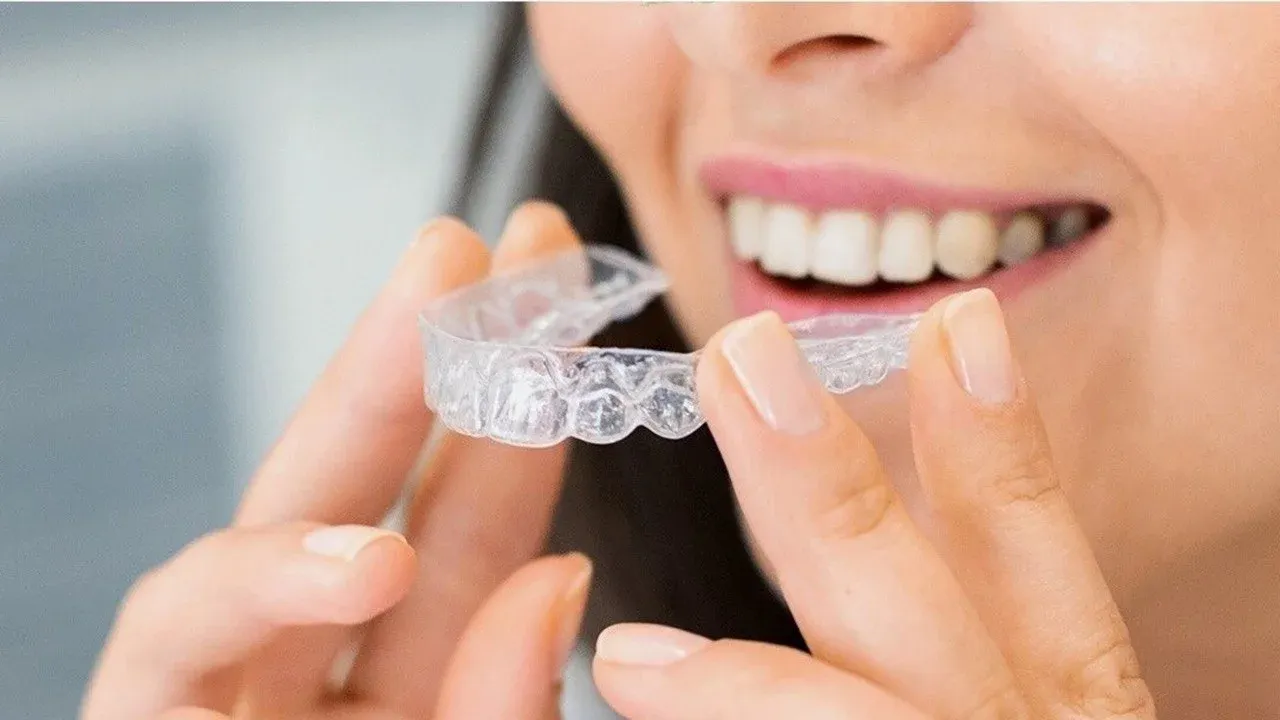
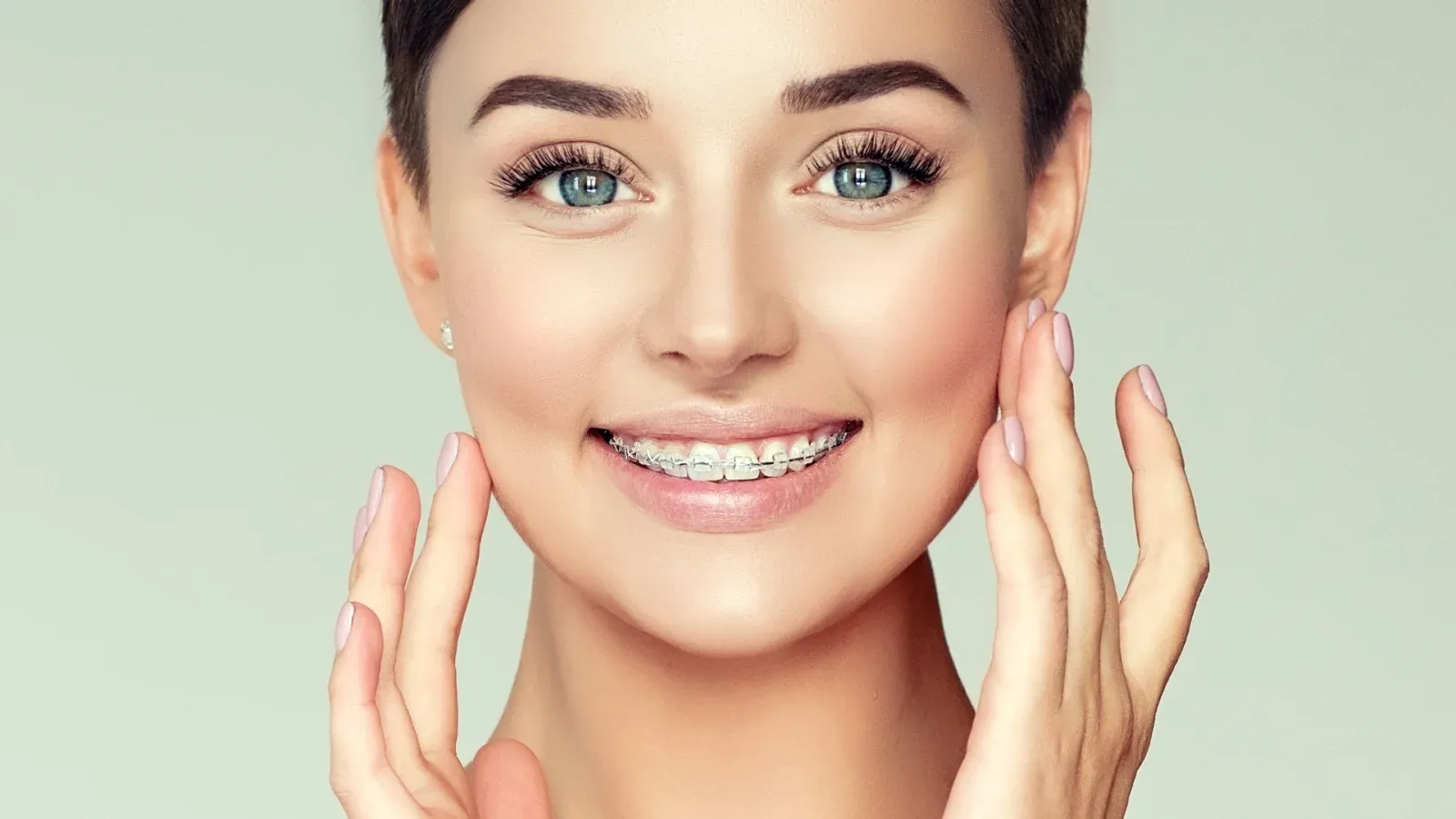
The goal of what is known as camouflage treatment is to correct or conceal misalignment without surgically changing the underlying jaw structure. The focus is more on improving the aesthetic appearance, whereby correcting the misaligned teeth of course also has positive effects on remedying temporomandibular joint pain, for example. Different types of braces, available in various versions, are suitable for this. Alongside traditional metal braces, there are also invisible aligners such as Invisalign.
As different as people are, so different are their jaw structures and tooth positions. That is why every patient needs an individual treatment concept that is tailored precisely to their personal needs. Depending on your individual concern, the type of misalignment of your teeth, any complaints and the changes you would like, Dr. Hakim offers you different treatment methods.
After a thorough examination of the status of your jaw and teeth, we conduct a detailed consultation. In it, we present suitable treatment options to you and explain the process and the advantages of the respective methods. Of course, here (and at any later point in time) you have the opportunity to ask all of your questions. We attach great importance to you being actively involved in the treatment process. Your wishes, concerns and needs are at the center of our work. Our goal is not only to correct misalignment but also to realize your aesthetic ideas. In doing so, we are at your disposal with our expertise and our experience in order to help you to improved well-being and a radiant smile.
After the preliminary examination and consultation, we create an individual treatment concept for you in which all treatment steps are listed in detail. These vary depending on the type, scope and complexity of the treatment, which is also reflected in the costs. Cost transparency is very important to us. That is why you will of course receive a cost estimate that contains all the costs to be expected. You are welcome to ask us questions about this at any time if you feel the need.
Featured
Diet Guidelines During Treatment with Braces
How to eat comfortably and successfully during your orthodontic treatment with braces or aligners
Read articleFeatured
Oral Hygiene for Braces Wearers
Tips for effective oral hygiene with braces: avoid tooth decay, white spots, and inflammation. Keep your teeth and braces healthy throughout the treatment.
Read articleFeatured
Teeth Correction for Adults and Seniors
Find out how clear aligners, lingual braces or fixed braces can also correct aesthetic and functional problems later in life.
Read articleFeatured
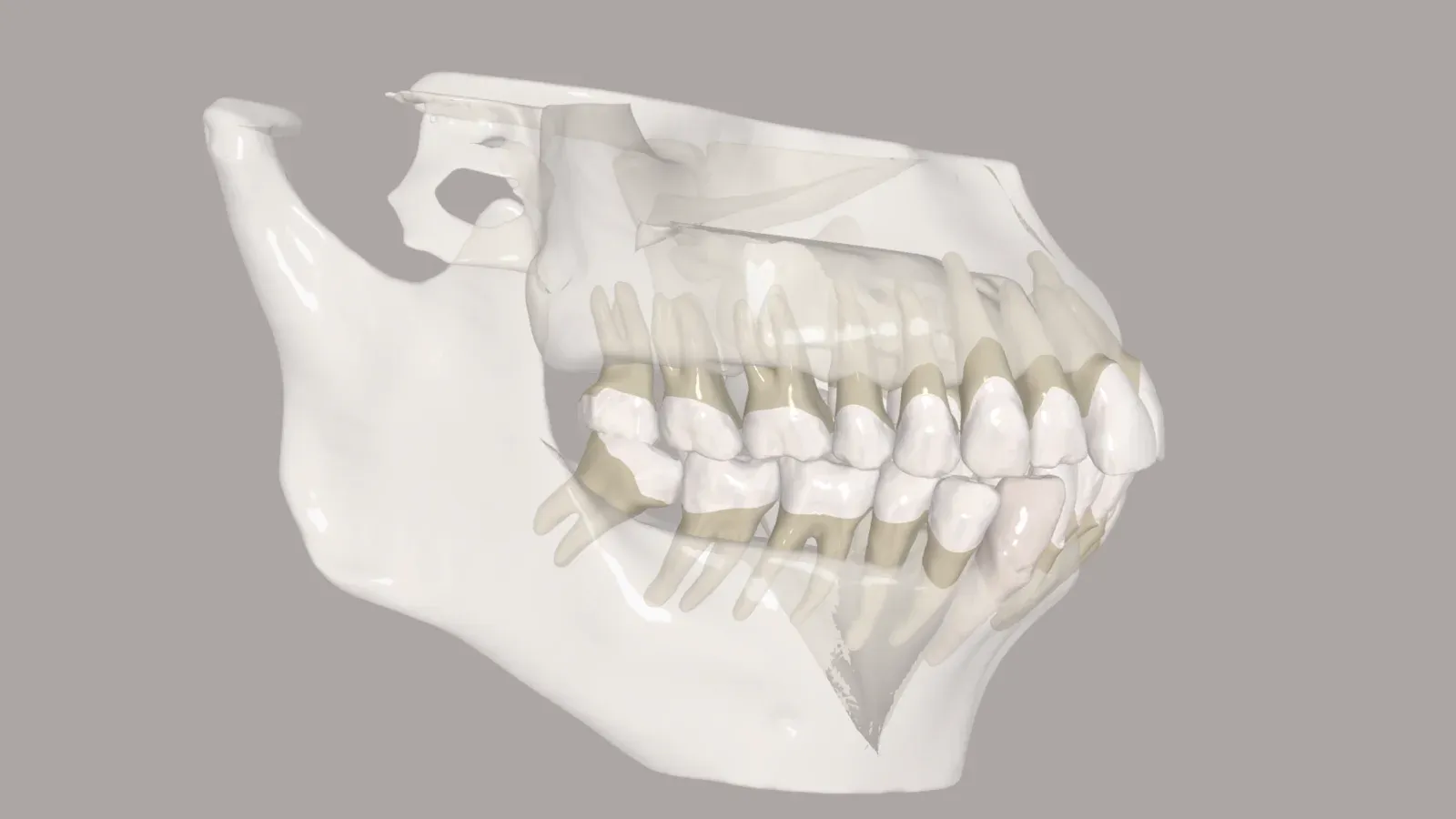
CBCT in Orthodontics Frankfurt | Precise 3D Diagnostics & Planning
Find out why cone beam computed tomography (CBCT) is crucial for your teeth straightening. Precise, with a low radiation dose at Hakim Healthcare Frankfurt.
Read articleFeatured
Aligner Therapy Avoids Tooth Extraction
Gentle aligner therapy is often possible without removing teeth. Learn when extractions can be avoided – get advice from Dr. Hakim in Frankfurt.
Read articleFeatured
Orthodontics vs. Prosthodontics
Orthodontics or prosthetic solutions? Why correcting your teeth with aligners or fixed braces is healthier and more sustainable in the long run.
Read articleFeatured
Aligner Myths at Hakim Healthcare Frankfurt
The aligner mystery – what is actually true? Hakim Aesthetics clears up the most common misconceptions and shows you what aligners can really achieve.
Read articleFeatured
Aligner Tips from Hakim Healthcare Frankfurt
Are you wearing aligners or planning a treatment? The best tips and tricks for a fast, effective and comfortable tooth correction.
Read articleFeatured
Dental Monitoring – Smart Orthodontics
Innovative orthodontics with Dental Monitoring at Hakim Aesthetics in Frankfurt. More precise control, fewer appointments – for efficient tooth correction.
Read articleFeatured
Interdisciplinary Aesthetic Dentistry
Interdisciplinary aesthetic dentistry at your orthodontist - how you benefit from the interdisciplinary collaboration in our Frankfurt practice!
Read articleFeatured
Digital Workflow in Dentistry
AI in dentistry? How is that supposed to work? Find out how you benefit from the digital workflow in dentistry and where its limits are.
Read articleFeatured
Dysgnathia | Causes, Symptoms and Treatment
Dysgnathia refers to a misalignment of the jaw. We explain the causes, the symptoms and the treatment options that are available to you.
Read articleFeatured
Overbite – Causes, Effects and Treatment
Correcting an overbite in Frankfurt – without surgery, without extraction. Dr. Hakim explains causes, effects & all treatment options. ✓ Personal initial consultation
Read articleFeatured
Gaps Between Teeth – Causes and Treatment
A gap between your teeth can look charming. But not everyone likes a gap between their teeth. We explain the treatment options available to you.
Read articleFeatured
Open Bite – Causes and Treatment
Treating an open bite – discreet & effective. Dr. Hakim, orthodontist in Frankfurt, explains all the options: aligners, fixed & removable braces.
Read articleFeatured
Crossbite – Causes and Treatment
A crossbite affects not only your appearance but also the function of your bite considerably. How a crossbite can be prevented and treated.
Read articleFeatured
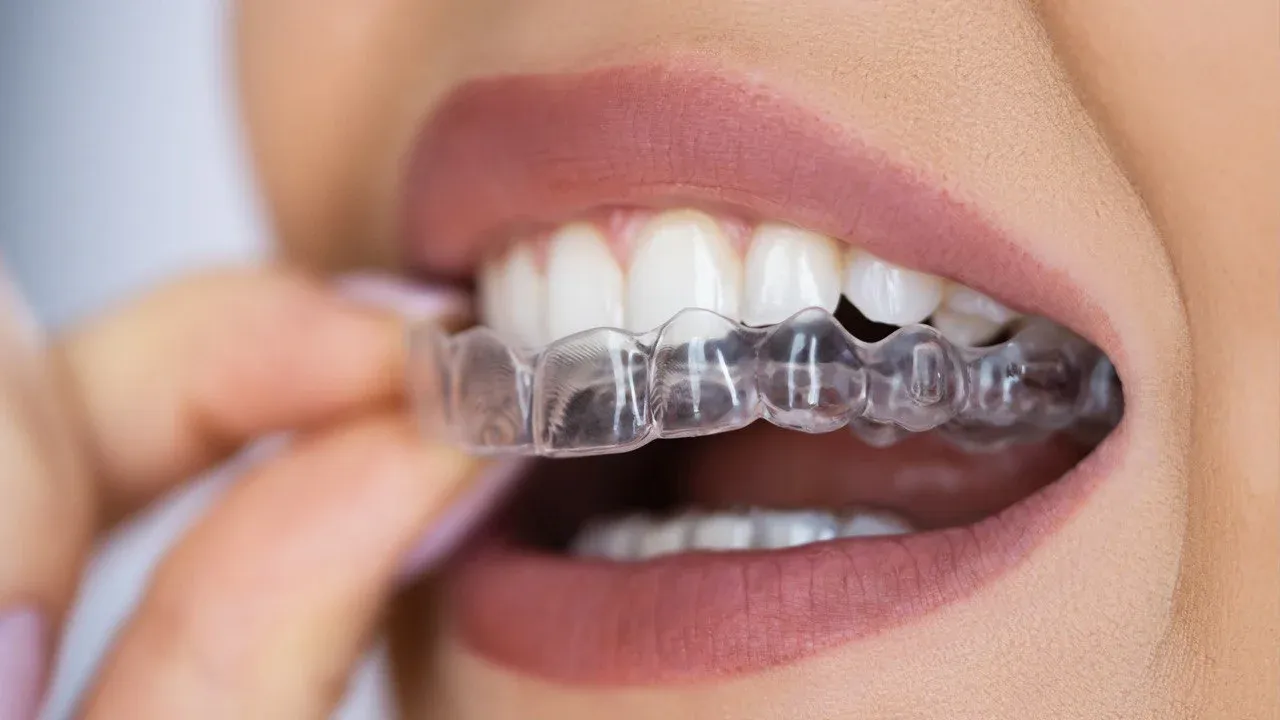
Dental Splints and Aligners for Every Need
Correct misaligned teeth effectively but discreetly with a clear aligner or a dental splint.
Read articleFeatured
Options for Teeth Correction
A radiant smile adds a great deal to your self-confidence. Hakim Aesthetics orthodontics shows you the right solution for your teeth correction.
Read articleFeatured
Permanent Retainer: Lasting Tooth Correction
To make sure a tooth correction leads to lasting results, we use retainers. We explain what retainers are and when they are used.
Read articleFeatured
How Misaligned Teeth Can Be Treated
Misaligned teeth are widespread and disturb the visual appearance. We explain how they can be treated.
Read articleFeatured
Braces for Adults - Our Service
Braces for adults in Frankfurt – discreet & modern. Dr. Hakim offers fixed brackets, lingual braces & aligners. ✓ Arrange your consultation now.
Read articleFeatured
Straight Teeth for Adults
Straight teeth for adults in Frankfurt – with clear aligners or braces. Dr. Hakim advises you personally. ✓ Discreet, fast & without extraction.
Read article