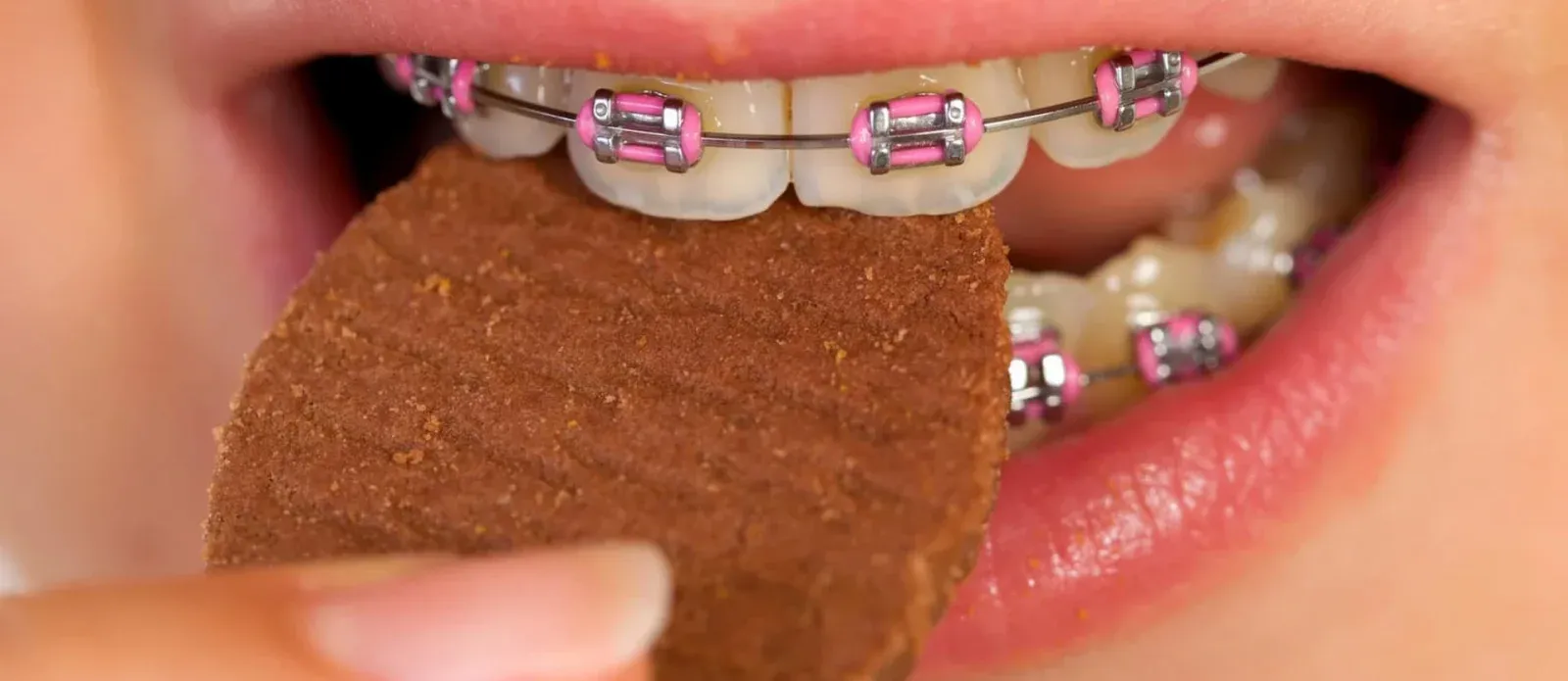
Featured
Diet Guidelines During Treatment with Braces
How to eat comfortably and successfully during your orthodontic treatment with braces or aligners
Read article




Dysgnathia refers to a misalignment of the jaw. We explain the causes, the symptoms and the treatment options that are available to you.
Misalignments of the teeth and jaws (dysgnathia) can not only disturb the aesthetics of the face, but also lead to a wide range of health problems and complaints. For the diagnosis and treatment of dysgnathia, an orthodontist like Dr. Hakim is exactly the right person to turn to. He advises you in detail and presents therapy options that are tailored to you.
Misalignments of the teeth and jaws (dysgnathia) can not only disturb the aesthetics of the face, but also lead to a wide range of health problems and complaints and considerably affect your well-being and your quality of life. In cases of mild dysgnathia it is often possible to eliminate the cause with orthodontic treatment and so relieve the complaints. If the dysgnathia is severe, however, often only dysgnathia surgery will help.
For the diagnosis and treatment of dysgnathia, an orthodontist like Dr. Hakim is exactly the right person to turn to. He advises you in detail and presents therapy options tailored to you that can help you regain more quality of life. Would you like to learn more about dysgnathia first? In what follows we take a closer look at the causes and symptoms as well as the treatment options for misaligned teeth and jaws.
Dysgnathia: causes and symptoms
Treatment options for dysgnathia
Benefits of dysgnathia surgery
Requirements for dysgnathia surgery
Arrange a consultation appointment
Dysgnathia is the medical term for a congenital or acquired misalignment of the jaw. This can take various forms. In principle, dysgnathia can be divided into two groups: acquired and congenital dysgnathia.
Acquired dysgnathia refers to misalignments that are primarily due to misalignments caused by outside influences. Typical examples of this are misalignments resulting from accidents or from bad habits.
Congenital dysgnathia, by contrast, refers to a misalignment that is due to jaw position and genetics. This is the case, for example, when the upper jaw is noticeably positioned forward or the lower jaw is shortened to such a degree that the upper jaw protrudes beyond the lower jaw. This category also includes an underdeveloped / shortened upper jaw and a lengthened lower jaw, which lead to the lower jaw protruding so far that it extends beyond the upper jaw.
Besides the genetic component, there are further causes that can bring about dysgnathia or at least encourage it. These include, for example, prolonged thumb sucking, persistent mouth breathing, inadequate dental care or an unhealthy diet.
Dysgnathia can bring about various symptoms and complaints such as problems and/or pain when biting and chewing, swallowing and speaking. The misalignment usually leads to excessive strain on individual teeth, which as a result become more susceptible to disease and premature tooth loss. Beyond that, dysgnathia frequently also affects the aesthetics of the face, which for many of those affected means an additional burden.
In order to reduce this burden as well as the physical complaints and pain, and to help those affected to a better quality of life, early treatment is of great importance. Depending on which kind of misalignment is involved, different treatment options are available.
Dysgnathia is treated orthodontically, whereby the type and extent of the treatment can differ greatly from one person to the next, depending on the type and severity of the misalignment. Age, too, plays a role in the choice of the appropriate treatment method.
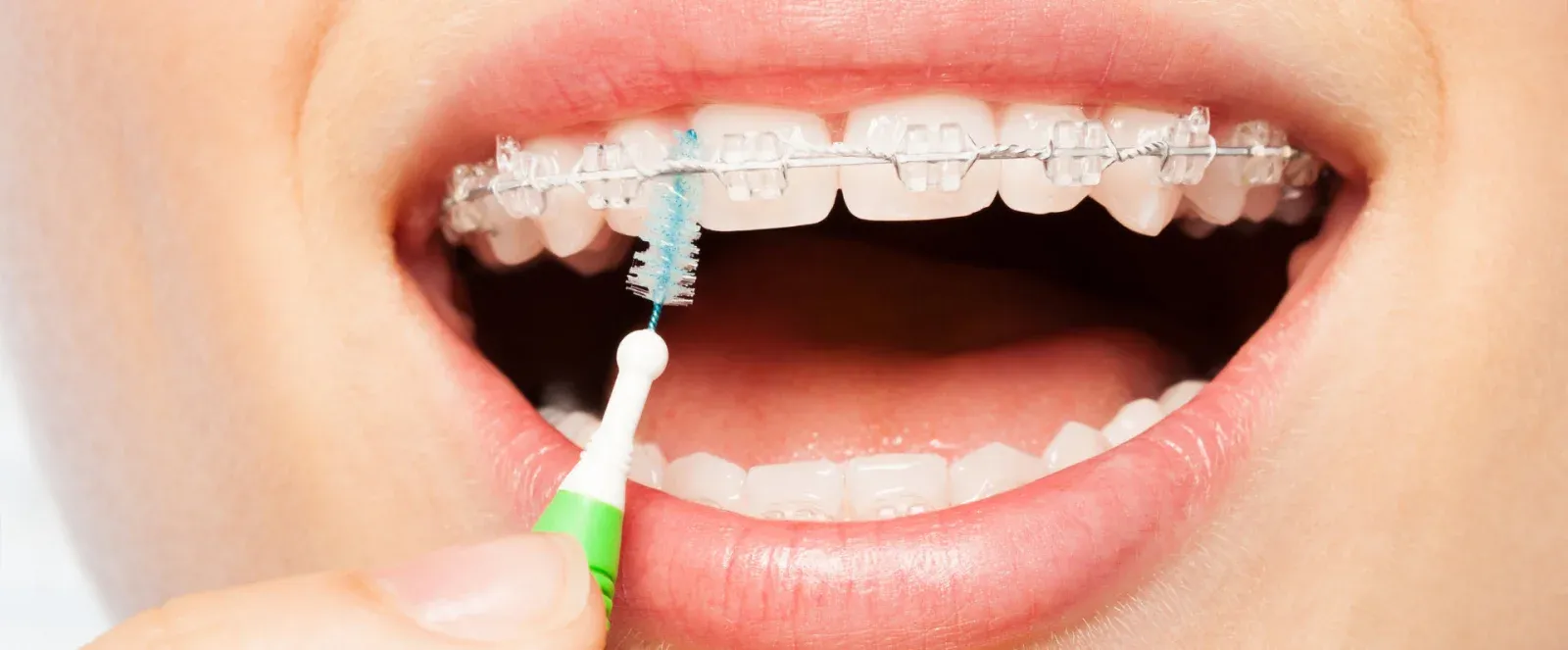
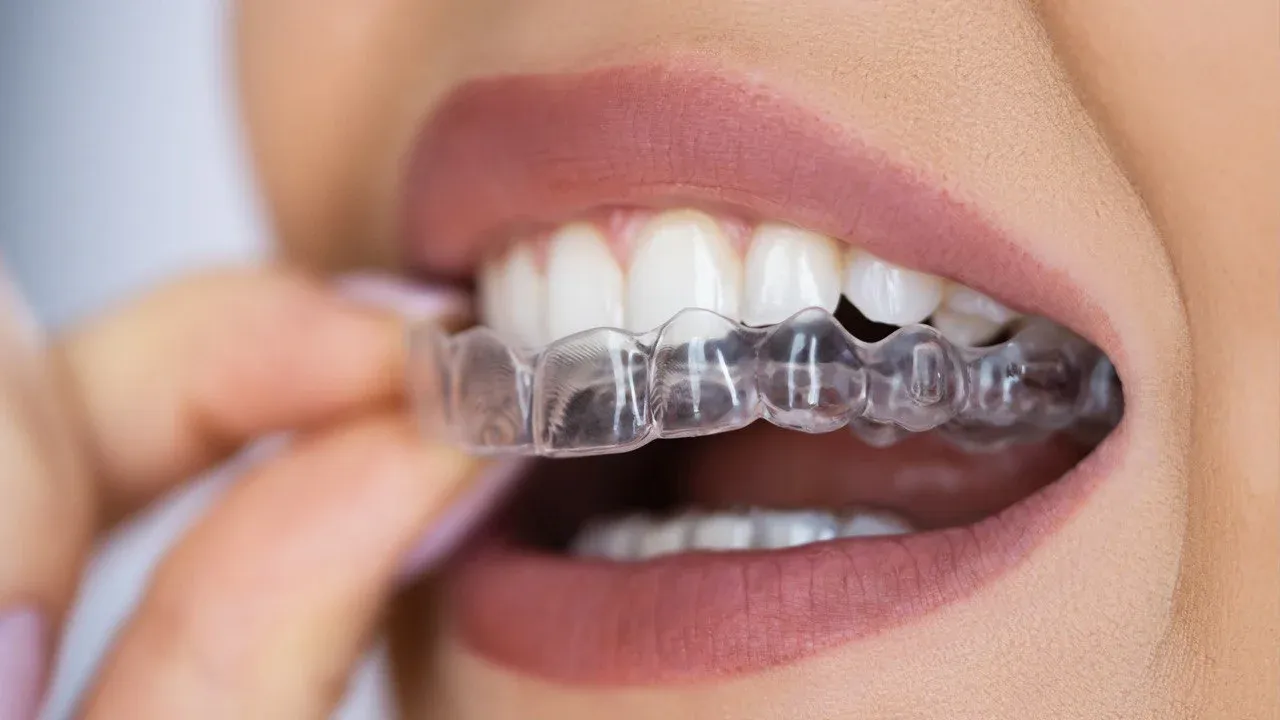
Misaligned teeth (dental dysgnathia) can be corrected with braces at any age. Sometimes removable braces or aligners are enough for this; sometimes fixed braces are necessary in order to correct the misalignment.
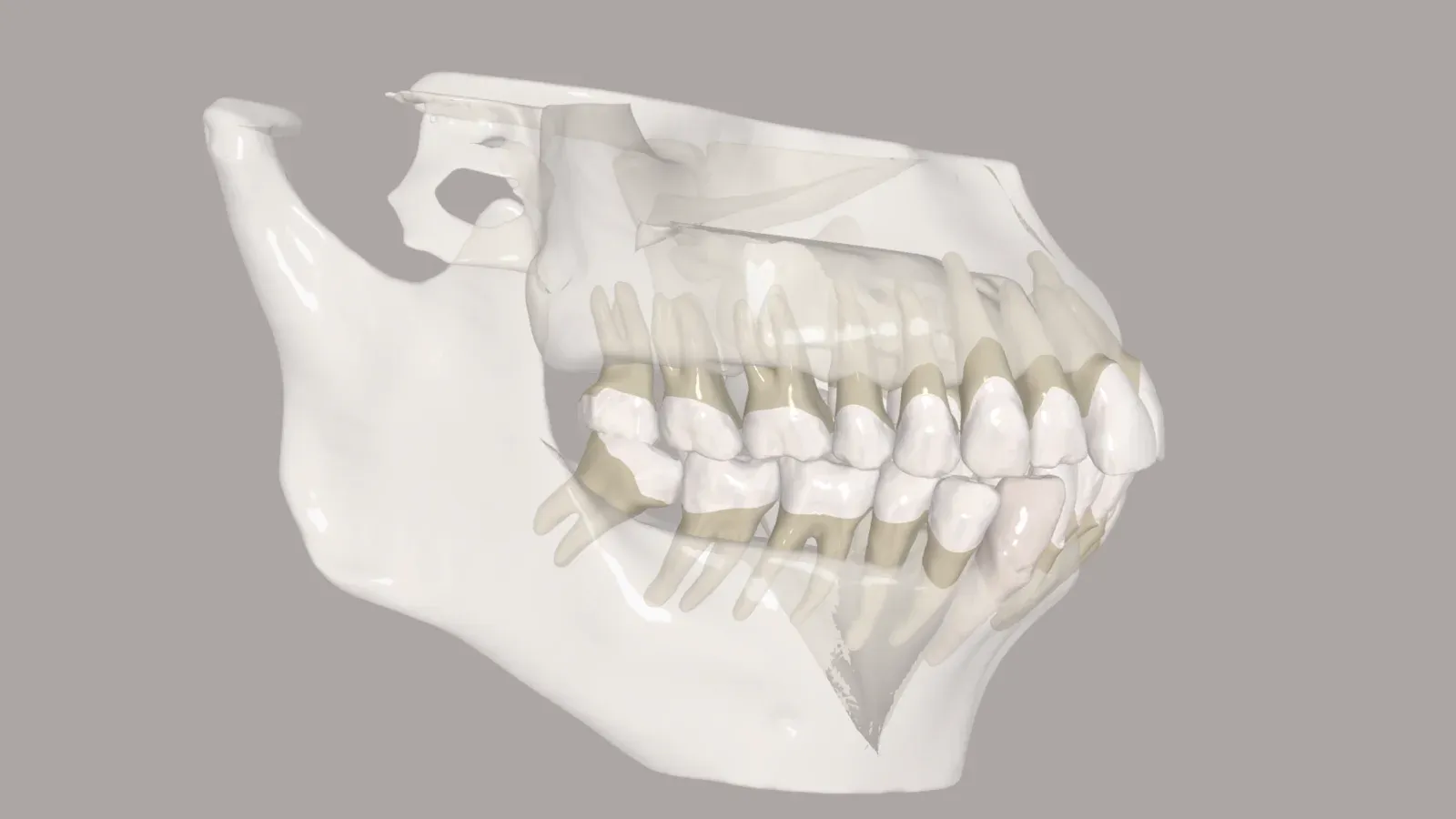
Mild misalignments of the jaw (skeletal dysgnathia) can also be corrected with orthodontic appliances such as braces or aligners. In the case of very severe misalignments of the jaw, dysgnathia surgery is (additionally) required. This is only carried out in adults whose jaw growth is already complete, that is, from the age of 18 at the earliest.
Dysgnathia surgery offers several benefits compared with other treatment methods: for one thing, it allows — in combination with conventional treatment methods — a comprehensive treatment with which both misaligned teeth and misaligned jaws can be corrected. This applies in particular to severe misalignments of the jaw that cannot be corrected by purely orthodontic measures. For another, surgical procedures usually offer more lasting results. The surgical repositioning of the jaw bones generally remains stable over the long term, which not only reduces the risk of relapse but also helps prevent late consequences of the misalignment such as temporomandibular joint disorders.
Dysgnathia surgery is advisable or necessary whenever the misalignment of the jaw is so severe that it causes serious functional impairments (for example problems with biting, chewing, speaking or breathing), but cannot be corrected — or cannot be corrected sufficiently — by conservative, that is non-surgical, treatment methods. Aesthetic reasons, too, can make dysgnathia surgery advisable, when the misalignment changes the outward appearance to such an extent that it affects the self-confidence and the quality of life of the person concerned.
Regardless of the reasons for the procedure, certain requirements have to be met in order for dysgnathia surgery to be carried out successfully. First of all, jaw growth has to be complete, in order to ensure stable and long-term results. As a rule this is the case from the age of 18 (in men up to the age of 23). In cases of very severe misalignments, dysgnathia surgery may possibly be an option earlier, but these are very rare exceptions.
In order to minimize the risk of complications during and after the operation, you should be in good general health. In the case of certain pre-existing conditions or the regular use of certain medications, it has to be clarified precisely whether dysgnathia surgery is possible and is a suitable treatment option. It is also important to have realistic expectations of the results of the operation. Dr. Hakim will be glad to advise you on this in detail and to show you the possibilities of dysgnathia surgery in combination with conventional orthodontic treatment.
Dysgnathia surgery generally takes place under general anesthesia. This ensures that the patient feels no pain during the operation and that the surgeon has sufficient freedom of movement to carry out the procedure. First, the surgeon makes incisions inside the mouth that give access to the jaw bones. The jaw bones are then brought into the correct position by means of appropriate cuts and fixed with titanium screws or plates, so that they keep this position during healing. Depending on the type and severity of the misalignment, the procedure can be carried out in the upper jaw or the lower jaw or in both jaws. The incisions are closed with sutures — often self-dissolving ones.
No externally visible scars remain, but it takes several weeks to months until the jaw has fully healed after such a procedure. The titanium plates are then removed again if necessary. During the healing process you receive various tips on aftercare, for example regarding diet, physiotherapy exercises or appointments for follow-up examinations. Orthodontic follow-up treatment is also frequently necessary in order to hold the teeth in their new position and to prevent relapse. Please follow this advice in order to support the healing process and with it the final result.
If you have misaligned teeth and jaws, you are in good hands with Dr. Hakim. The experienced orthodontist knows this clinical picture well and, after thorough diagnostics, can present you with various options for treating the misalignment. It is best to arrange an appointment online directly — we look forward to meeting you!
Featured
Diet Guidelines During Treatment with Braces
How to eat comfortably and successfully during your orthodontic treatment with braces or aligners
Read articleFeatured
Oral Hygiene for Braces Wearers
Tips for effective oral hygiene with braces: avoid tooth decay, white spots, and inflammation. Keep your teeth and braces healthy throughout the treatment.
Read articleFeatured
Teeth Correction for Adults and Seniors
Find out how clear aligners, lingual braces or fixed braces can also correct aesthetic and functional problems later in life.
Read articleFeatured
CBCT in Orthodontics Frankfurt | Precise 3D Diagnostics & Planning
Find out why cone beam computed tomography (CBCT) is crucial for your teeth straightening. Precise, with a low radiation dose at Hakim Healthcare Frankfurt.
Read articleFeatured
Aligner Therapy Avoids Tooth Extraction
Gentle aligner therapy is often possible without removing teeth. Learn when extractions can be avoided – get advice from Dr. Hakim in Frankfurt.
Read articleFeatured
Orthodontics vs. Prosthodontics
Orthodontics or prosthetic solutions? Why correcting your teeth with aligners or fixed braces is healthier and more sustainable in the long run.
Read articleFeatured
Aligner Myths at Hakim Healthcare Frankfurt
The aligner mystery – what is actually true? Hakim Aesthetics clears up the most common misconceptions and shows you what aligners can really achieve.
Read articleFeatured
Aligner Tips from Hakim Healthcare Frankfurt
Are you wearing aligners or planning a treatment? The best tips and tricks for a fast, effective and comfortable tooth correction.
Read articleFeatured
Dental Monitoring – Smart Orthodontics
Innovative orthodontics with Dental Monitoring at Hakim Aesthetics in Frankfurt. More precise control, fewer appointments – for efficient tooth correction.
Read articleFeatured
Interdisciplinary Aesthetic Dentistry
Interdisciplinary aesthetic dentistry at your orthodontist - how you benefit from the interdisciplinary collaboration in our Frankfurt practice!
Read articleFeatured
Digital Workflow in Dentistry
AI in dentistry? How is that supposed to work? Find out how you benefit from the digital workflow in dentistry and where its limits are.
Read articleFeatured
Dysgnathia | Causes, Symptoms and Treatment
Dysgnathia refers to a misalignment of the jaw. We explain the causes, the symptoms and the treatment options that are available to you.
Read articleFeatured
Overbite – Causes, Effects and Treatment
Correcting an overbite in Frankfurt – without surgery, without extraction. Dr. Hakim explains causes, effects & all treatment options. ✓ Personal initial consultation
Read articleFeatured
Gaps Between Teeth – Causes and Treatment
A gap between your teeth can look charming. But not everyone likes a gap between their teeth. We explain the treatment options available to you.
Read articleFeatured
Open Bite – Causes and Treatment
Treating an open bite – discreet & effective. Dr. Hakim, orthodontist in Frankfurt, explains all the options: aligners, fixed & removable braces.
Read articleFeatured
Crossbite – Causes and Treatment
A crossbite affects not only your appearance but also the function of your bite considerably. How a crossbite can be prevented and treated.
Read articleFeatured
Dental Splints and Aligners for Every Need
Correct misaligned teeth effectively but discreetly with a clear aligner or a dental splint.
Read articleFeatured
Options for Teeth Correction
A radiant smile adds a great deal to your self-confidence. Hakim Aesthetics orthodontics shows you the right solution for your teeth correction.
Read articleFeatured
Permanent Retainer: Lasting Tooth Correction
To make sure a tooth correction leads to lasting results, we use retainers. We explain what retainers are and when they are used.
Read articleFeatured
How Misaligned Teeth Can Be Treated
Misaligned teeth are widespread and disturb the visual appearance. We explain how they can be treated.
Read articleFeatured
Braces for Adults - Our Service
Braces for adults in Frankfurt – discreet & modern. Dr. Hakim offers fixed brackets, lingual braces & aligners. ✓ Arrange your consultation now.
Read articleFeatured
Straight Teeth for Adults
Straight teeth for adults in Frankfurt – with clear aligners or braces. Dr. Hakim advises you personally. ✓ Discreet, fast & without extraction.
Read article