Featured
Diet Guidelines During Treatment with Braces
How to eat comfortably and successfully during your orthodontic treatment with braces or aligners
Read article



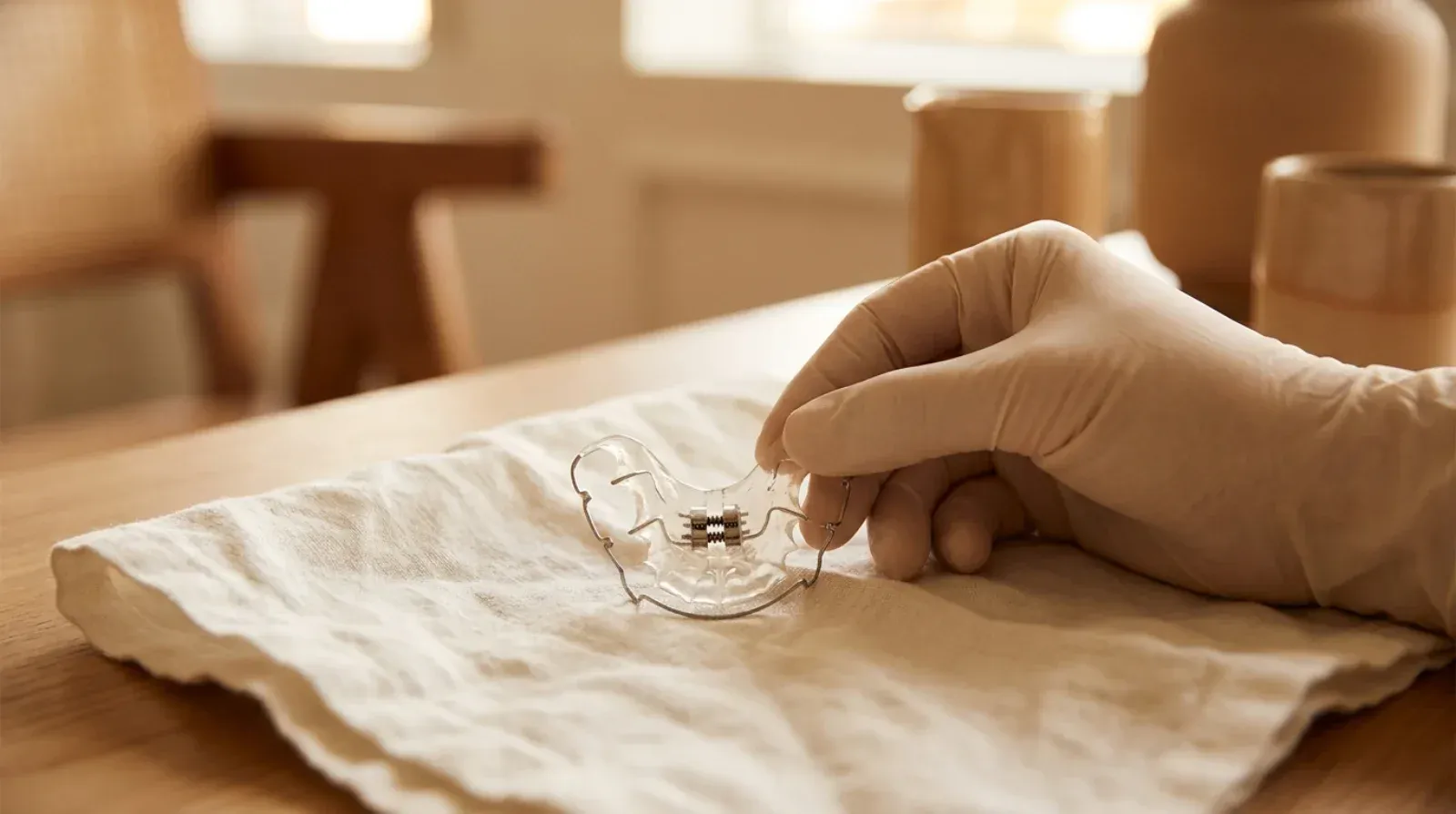
Removable braces: Dr. Hakim from Frankfurt explains the types, function, growth guidance & limits of removable appliances. Schedule your consultation now!
Fixed brackets, removable braces, clear aligner trays – modern orthodontics offers a whole range of treatment methods today. We receive a particularly large number of questions about removable braces: What can they do, who are they intended for – and where are their limits?
Dr. Mohammad Hakim, specialist orthodontist in Frankfurt, explains in this article in clear terms which types of removable braces exist, how they influence jaw growth, and when a removable appliance reaches its limits.
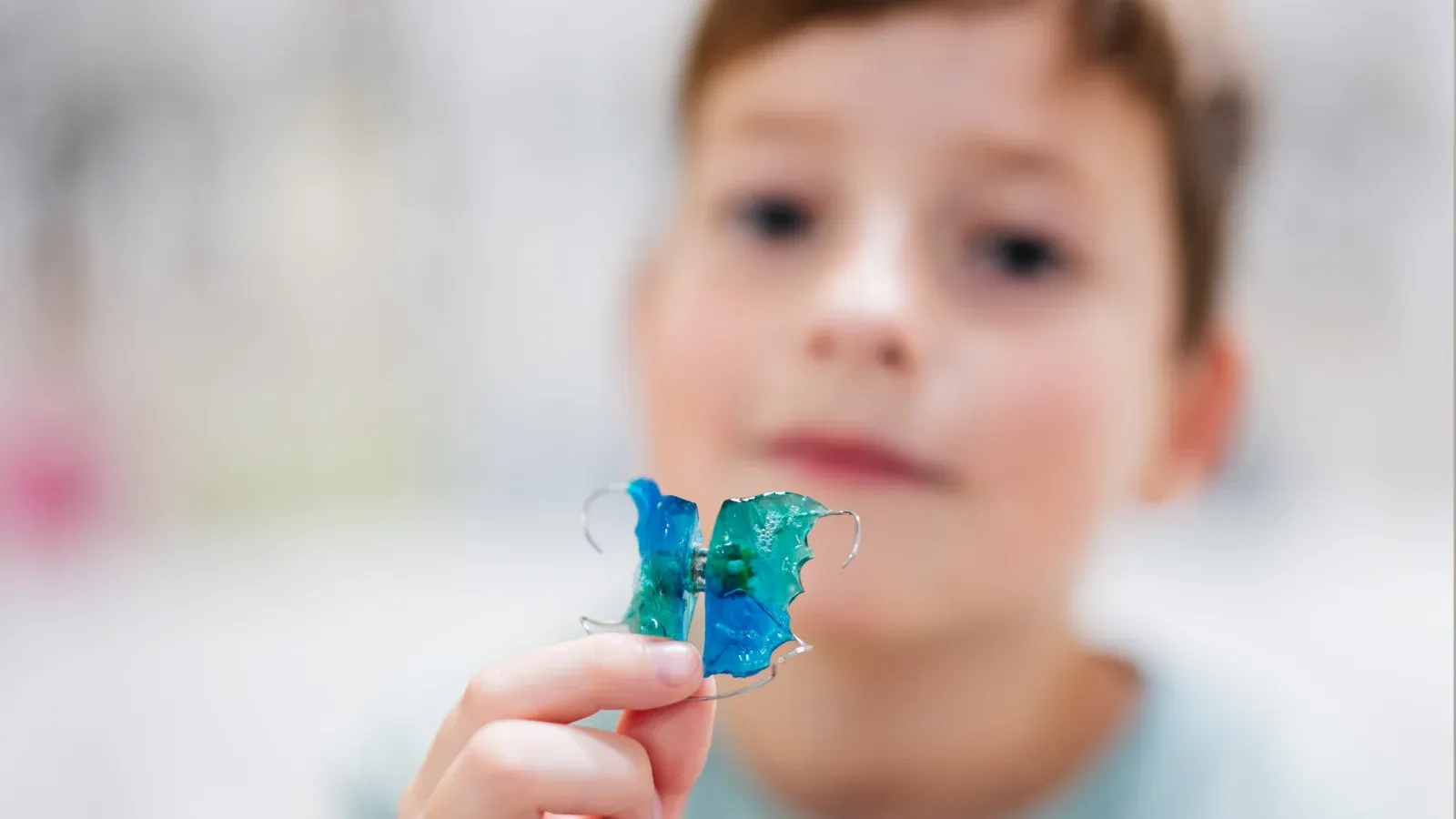
The name already says it: Removable braces – often also called a removable appliance or a plate – can be taken out of the mouth and put back in by the patient. That is the fundamental difference compared with fixed braces and their permanently bonded brackets.
But “removable” is not always the same as “removable”: there are a great many different models and designs. With the appropriate indication, some of these appliances are covered by the statutory health insurance, while others are private services. Which version makes sense in your case and how coverage works out, we clarify individually in a personal consultation.
The most important difference lies not only in comfort, but in function:
Precisely this point is often misunderstood – which is why we will now take a closer look at the individual types of appliance.
In principle, removable braces can be divided into two large categories:
The active plate is the most typical form of removable braces that young children receive at an early age. It is used when, for example, baby teeth have been lost too early and crowding develops as a result.
Small expansion screws are built into the plate. By adjusting them regularly – usually once a week – they gradually move the teeth to the side, backwards or outwards. This creates space for the permanent teeth coming through. The colorful plates are available in many colors, which noticeably increases acceptance among children and teenagers.
A special function of the same appliance is holding gaps: if a tooth is lost early, the space maintainer ensures that the space is preserved and does not narrow as neighboring teeth move in – until the permanent tooth erupts. A space maintainer that is only meant to hold space usually only needs to be worn at night.
These appliances apply to both jaws together and have a clear goal: to guide the growth of the jaw. The best-known representative is the activator.
It redefines the position of the jaw and sets targeted growth stimuli. Especially in children and teenagers who are still growing, developmental issues such as a retrognathic bite or a large step between the teeth can be favorably influenced in this way. The clever part: the patient’s own growth forces are actively used for the therapy. Besides the activator, there are many other designs, for example according to Fränkel.
As an alternative – and, with the appropriate indication, in some cases likewise covered by statutory insurance – myofunctional appliances made of silicone are used. They work differently from the activator: instead of applying pressure to the teeth, they stimulate growth through exercises and movements of the lip and cheek. Progression is achieved not through screws, but by switching to a different silicone hardness.
The twin block plate consists of two plates for the upper and lower jaw that come into contact with each other via a ramp. It combines the movement of the teeth with an influence on the jaw position – a versatile combination appliance.
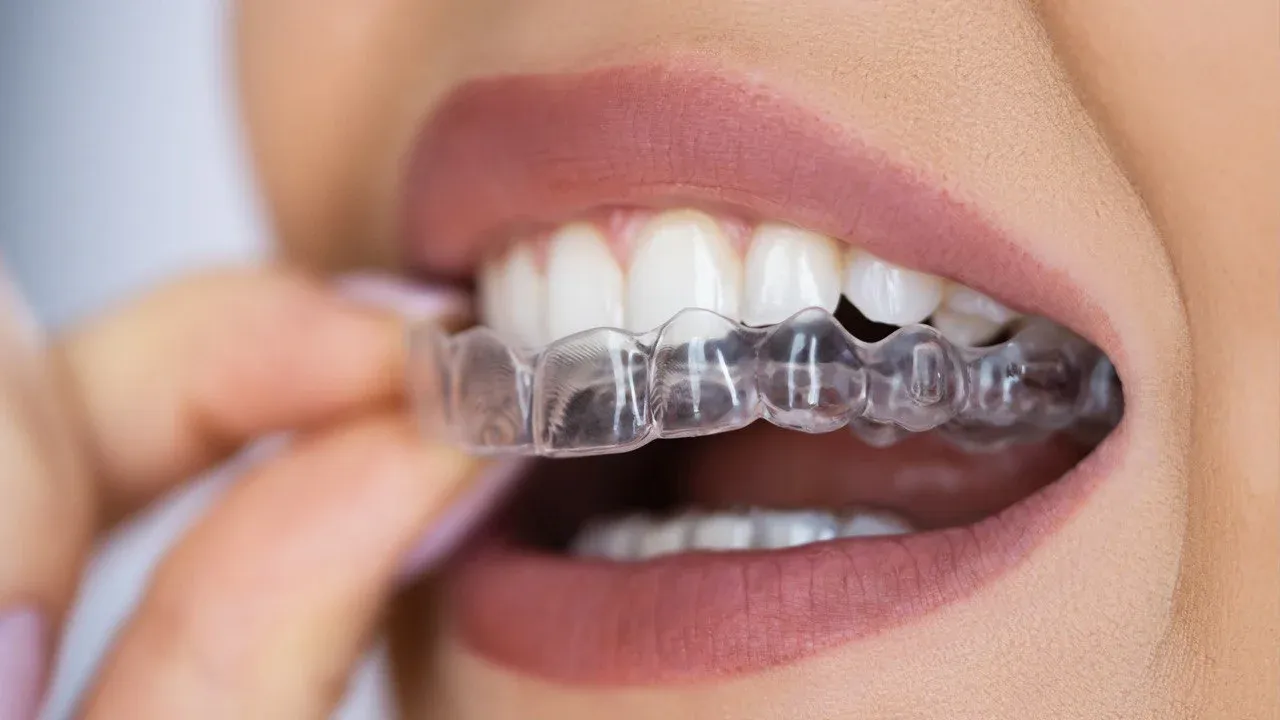
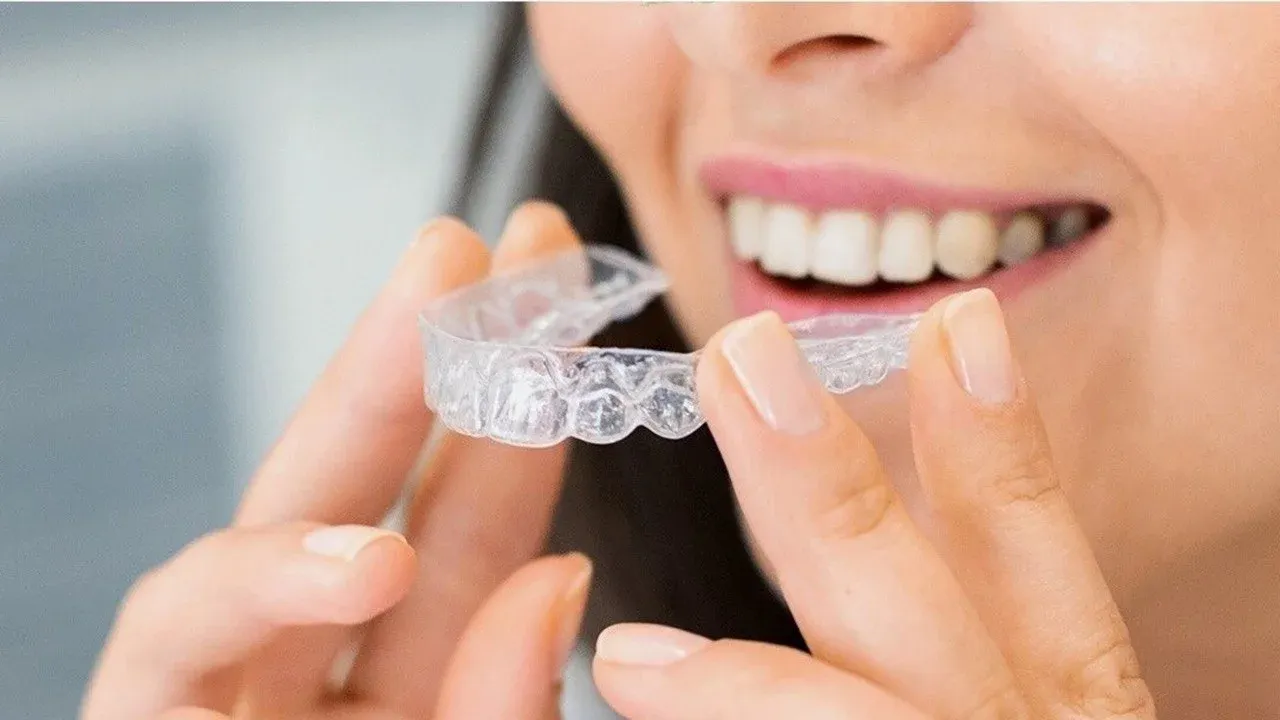
Transparent clear aligners also count among removable braces. They are changed regularly so that the teeth continuously receive the right pressure and the desired movement. Unlike classic removable appliances, aligners are designed to make teeth straight – the ideal removable solution when it comes to a truly straight smile.
In summary, removable appliances mainly fulfill two tasks:
In both cases, one thing is decisive: the patient’s active cooperation.
As useful as removable braces are – they have clear limits. Complete orthodontic straightening of the teeth is not possible with a removable appliance. It can create space and support nature in bringing the teeth into a better position.
With heavily rotated or markedly deviating teeth, however, fixed braces or aligner treatment are usually needed afterwards. Anyone who wants a removable solution for truly straight teeth is therefore better served by aligners than by an appliance that is only worn in the evening or at night.
This is where the most common sticking point lies. While a pure space maintainer is enough at night, active removable appliances – which open up gaps, move teeth or guide growth – require a wear time of around 16 hours a day.
Important: the appliance has to be in the mouth longer than outside it. Otherwise the dreaded yo-yo effect looms, in which the progress achieved gradually reverses. That is why, with any removable appliance, treatment success stands or falls with cooperation.
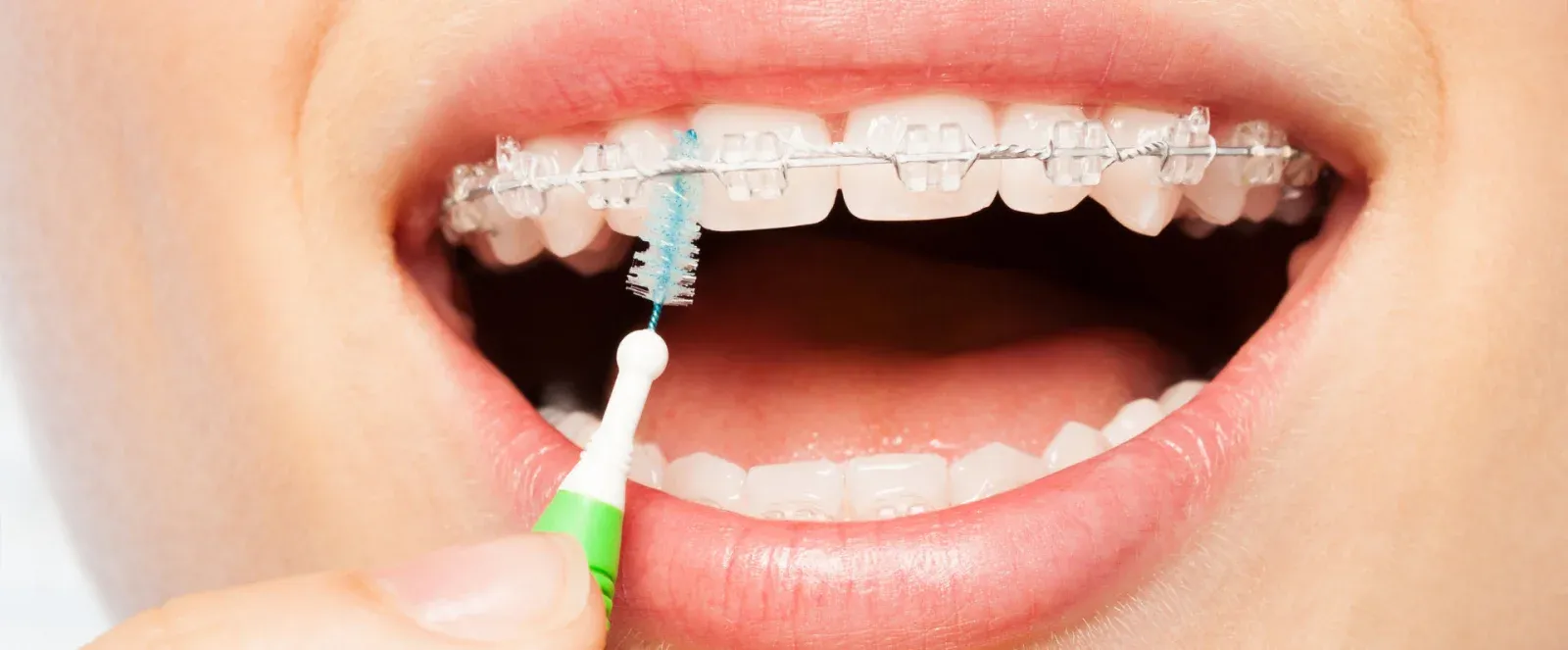
One clear advantage over fixed braces: cleaning is considerably easier and more pleasant. Here is how to care for your appliance properly:
Removable braces are particularly useful for children and teenagers who are still growing, where the aim is to create space, hold gaps or guide jaw growth. For the final, precise tooth position – in teenagers as well as adults – fixed braces or aligners are then often used.
Which path is the right one for you or your child can only be assessed individually. In a detailed consultation as your orthodontist in Frankfurt, we clarify the possibilities, the limits and the right treatment plan.
Removable braces are a versatile tool in orthodontics – ideal for guiding growth and creating space at a young age. Their limit lies in precise straightening; for that, fixed braces or aligners are the better choice. Decisive for success remains the consistent wear time of around 16 hours a day.
Do you have questions about removable braces for yourself or your child? Schedule your consultation appointment with Dr. Hakim in Frankfurt now – as an experienced orthodontist in Frankfurt, we will advise you in detail on all the options.
Featured
Diet Guidelines During Treatment with Braces
How to eat comfortably and successfully during your orthodontic treatment with braces or aligners
Read articleFeatured
Oral Hygiene for Braces Wearers
Tips for effective oral hygiene with braces: avoid tooth decay, white spots, and inflammation. Keep your teeth and braces healthy throughout the treatment.
Read articleFeatured
Teeth Correction for Adults and Seniors
Find out how clear aligners, lingual braces or fixed braces can also correct aesthetic and functional problems later in life.
Read articleFeatured
CBCT in Orthodontics Frankfurt | Precise 3D Diagnostics & Planning
Find out why cone beam computed tomography (CBCT) is crucial for your teeth straightening. Precise, with a low radiation dose at Hakim Healthcare Frankfurt.
Read articleFeatured
Aligner Therapy Avoids Tooth Extraction
Gentle aligner therapy is often possible without removing teeth. Learn when extractions can be avoided – get advice from Dr. Hakim in Frankfurt.
Read articleFeatured
Orthodontics vs. Prosthodontics
Orthodontics or prosthetic solutions? Why correcting your teeth with aligners or fixed braces is healthier and more sustainable in the long run.
Read articleFeatured
Aligner Myths at Hakim Healthcare Frankfurt
The aligner mystery – what is actually true? Hakim Aesthetics clears up the most common misconceptions and shows you what aligners can really achieve.
Read articleFeatured
Aligner Tips from Hakim Healthcare Frankfurt
Are you wearing aligners or planning a treatment? The best tips and tricks for a fast, effective and comfortable tooth correction.
Read articleFeatured
Dental Monitoring – Smart Orthodontics
Innovative orthodontics with Dental Monitoring at Hakim Aesthetics in Frankfurt. More precise control, fewer appointments – for efficient tooth correction.
Read articleFeatured
Interdisciplinary Aesthetic Dentistry
Interdisciplinary aesthetic dentistry at your orthodontist - how you benefit from the interdisciplinary collaboration in our Frankfurt practice!
Read articleFeatured
Digital Workflow in Dentistry
AI in dentistry? How is that supposed to work? Find out how you benefit from the digital workflow in dentistry and where its limits are.
Read articleFeatured
Dysgnathia | Causes, Symptoms and Treatment
Dysgnathia refers to a misalignment of the jaw. We explain the causes, the symptoms and the treatment options that are available to you.
Read articleFeatured
Overbite – Causes, Effects and Treatment
Correcting an overbite in Frankfurt – without surgery, without extraction. Dr. Hakim explains causes, effects & all treatment options. ✓ Personal initial consultation
Read articleFeatured
Gaps Between Teeth – Causes and Treatment
A gap between your teeth can look charming. But not everyone likes a gap between their teeth. We explain the treatment options available to you.
Read articleFeatured
Open Bite – Causes and Treatment
Treating an open bite – discreet & effective. Dr. Hakim, orthodontist in Frankfurt, explains all the options: aligners, fixed & removable braces.
Read articleFeatured
Crossbite – Causes and Treatment
A crossbite affects not only your appearance but also the function of your bite considerably. How a crossbite can be prevented and treated.
Read articleFeatured
Dental Splints and Aligners for Every Need
Correct misaligned teeth effectively but discreetly with a clear aligner or a dental splint.
Read articleFeatured
Options for Teeth Correction
A radiant smile adds a great deal to your self-confidence. Hakim Aesthetics orthodontics shows you the right solution for your teeth correction.
Read articleFeatured
Permanent Retainer: Lasting Tooth Correction
To make sure a tooth correction leads to lasting results, we use retainers. We explain what retainers are and when they are used.
Read articleFeatured
How Misaligned Teeth Can Be Treated
Misaligned teeth are widespread and disturb the visual appearance. We explain how they can be treated.
Read articleFeatured
Braces for Adults - Our Service
Braces for adults in Frankfurt – discreet & modern. Dr. Hakim offers fixed brackets, lingual braces & aligners. ✓ Arrange your consultation now.
Read articleFeatured
Straight Teeth for Adults
Straight teeth for adults in Frankfurt – with clear aligners or braces. Dr. Hakim advises you personally. ✓ Discreet, fast & without extraction.
Read article