Featured
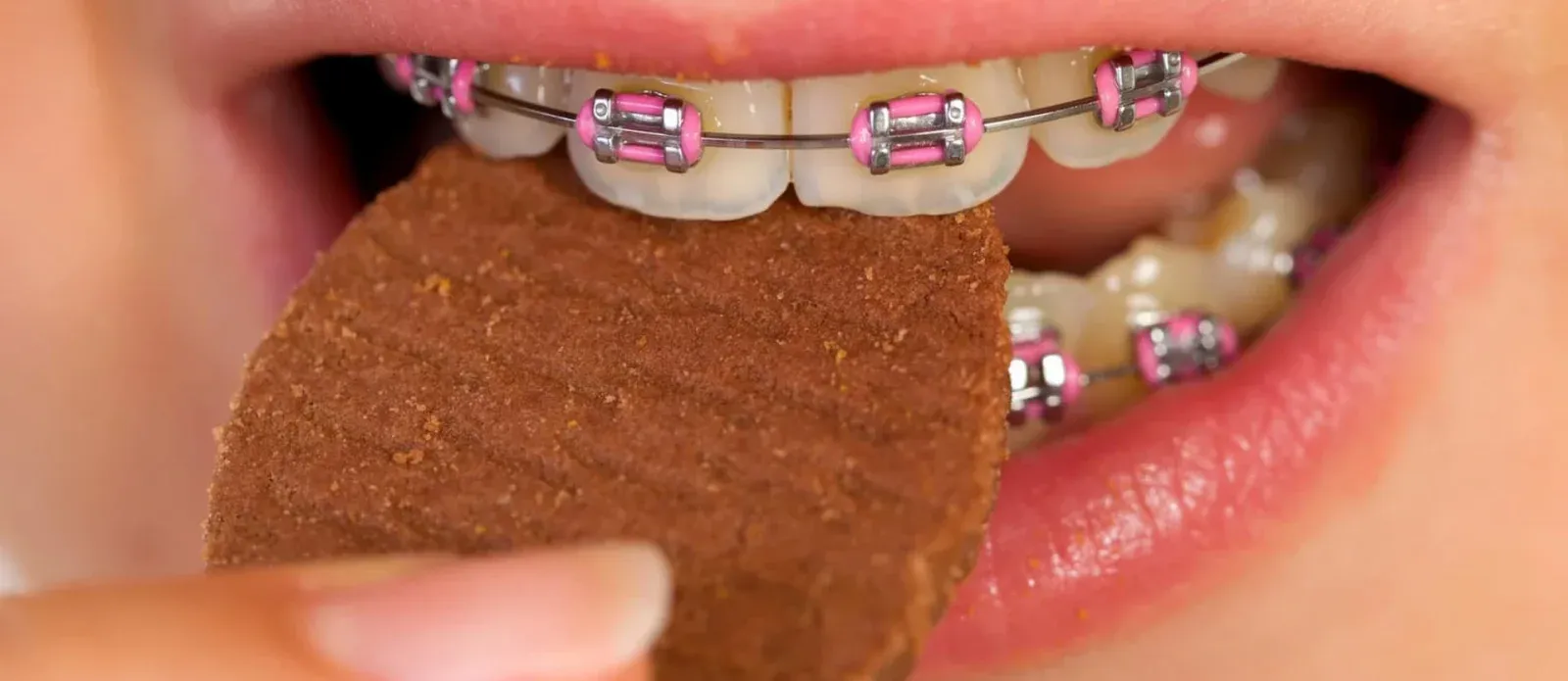
Diet Guidelines During Treatment with Braces
How to eat comfortably and successfully during your orthodontic treatment with braces or aligners
Read article




Memory-effect aligners, lingual braces, AI monitoring, and 3D diagnostics: this is what modern orthodontics looks like in Frankfurt in 2026. Book your no-obligation consultation now.
Braces used to mean a mouth full of metal, visible brackets, and long treatment times. But it is 2026 — and the world of orthodontics has changed fundamentally. Today the question is no longer “Do I even need braces?”, but: “Which modern high-end solution fits me, my career, and my daily life?”
In this article, Dr. Mohammad Hakim, specialist orthodontist in Frankfurt, shows you which innovations make the difference today — from temperature-activated aligners and invisible lingual braces to cause-based temporomandibular joint therapy.
The old clichés about braces have nothing to do with modern orthodontics anymore. Three developments have accelerated the change:
The result: treatments become faster, more predictable, and practically invisible in the everyday life of working professionals.
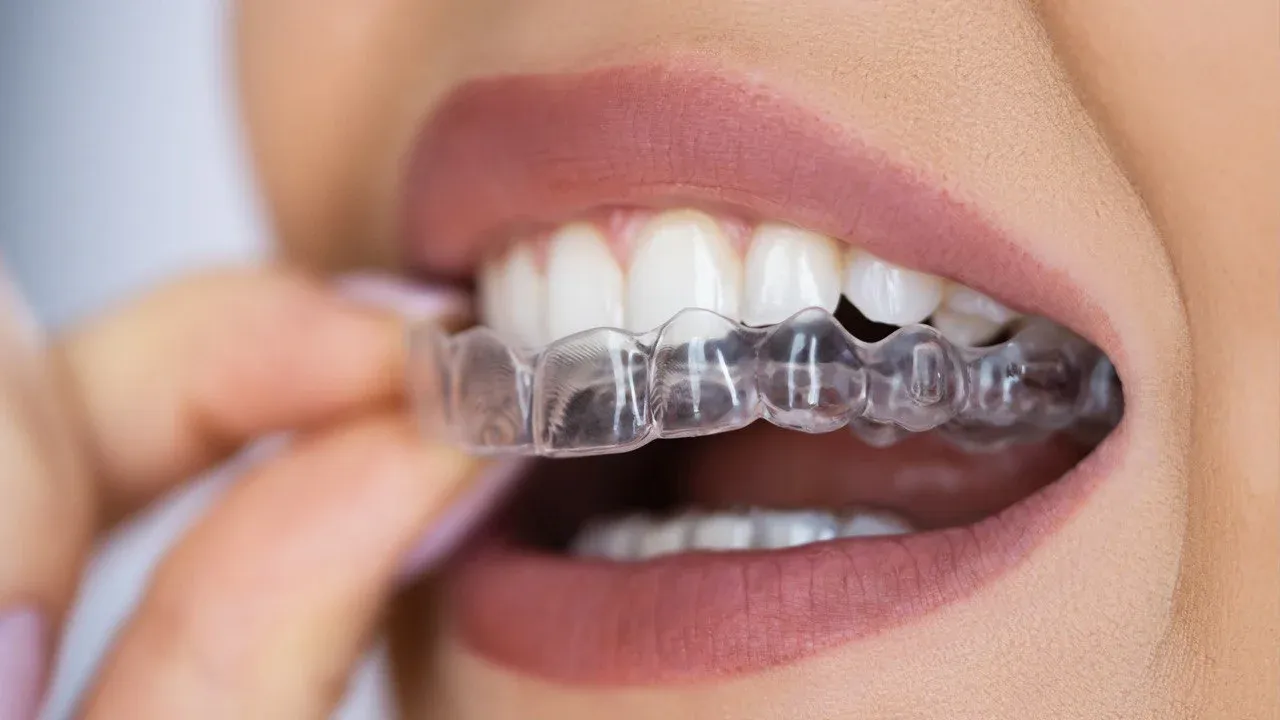
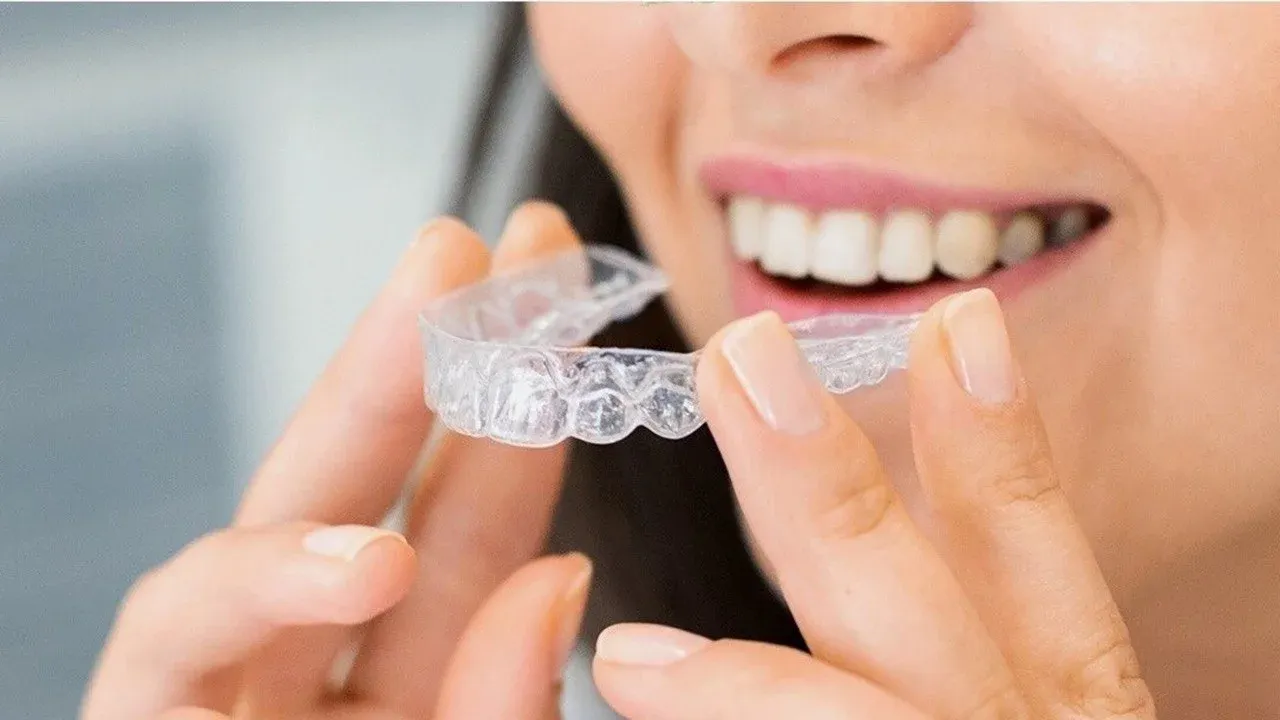
One of the most exciting new developments are aligners with what is known as a memory effect. These trays “remember” their programmed target position and are continuously reactivated by your body temperature inside your mouth.
The advantage over conventional aligners:
This method is brand new and is already in use here at our practice. You can read more about classic aligner treatment in the article Innovative Aligner Treatment in Frankfurt: Less Wear Time, Less Effort.
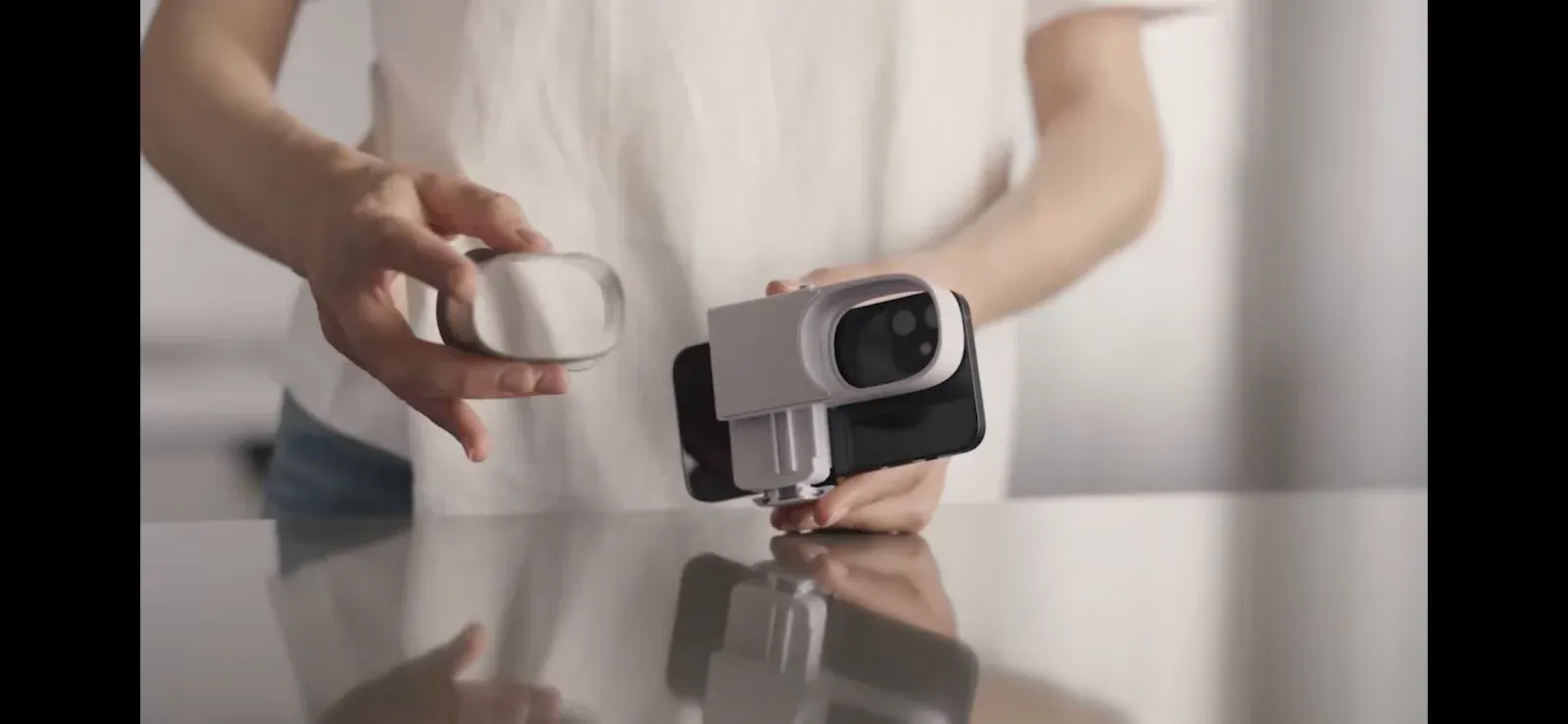
During your treatment we use AI-controlled monitoring boxes, which let you document the condition of your teeth regularly and send it straight to us. At any time we can see:
For you that means: fewer visits to the practice, less effort, and more certainty that your treatment is on track.
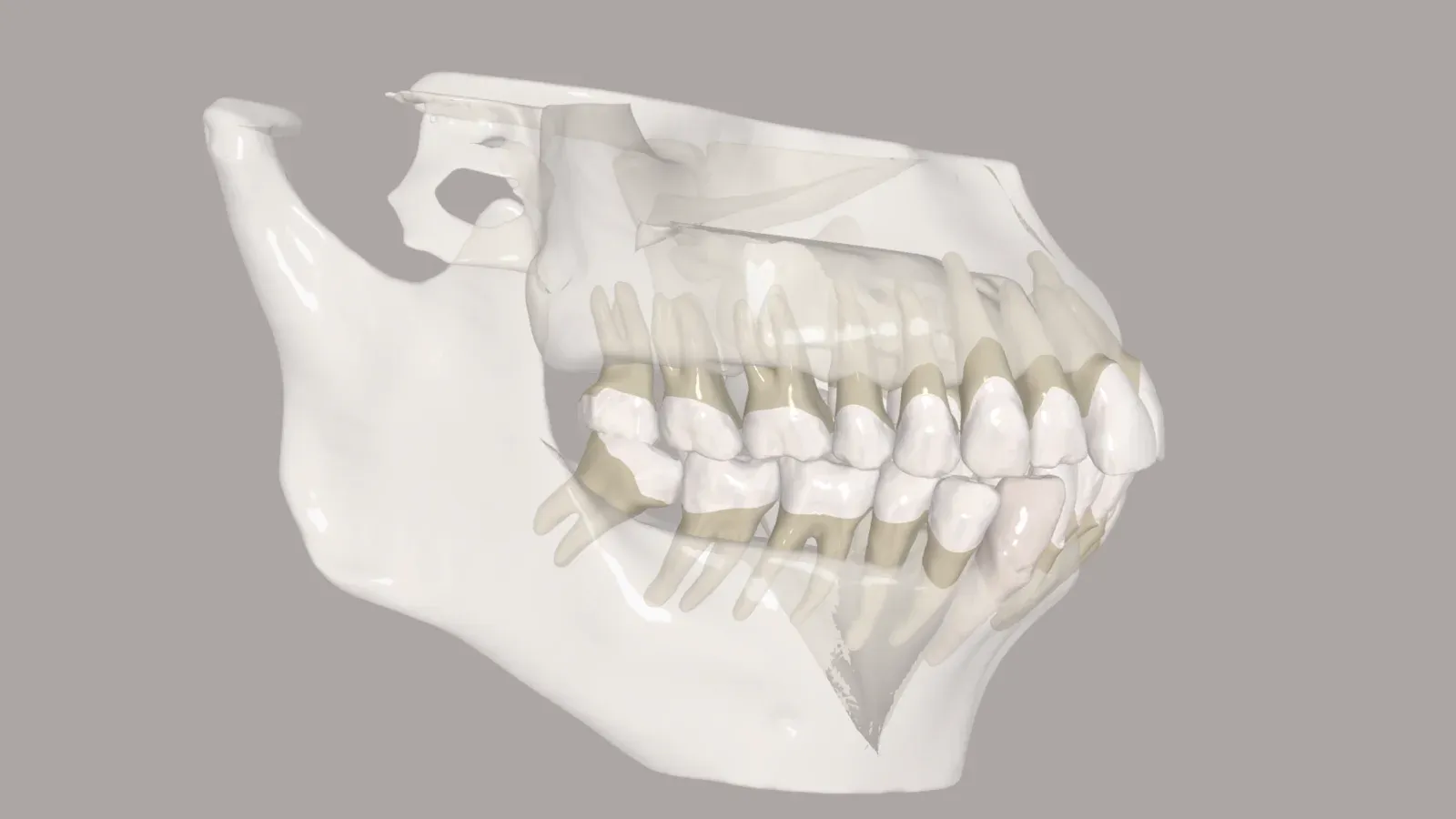
Every modern treatment starts with a precise diagnosis — without unpleasant impression material. We rely on two key technologies:
Digital 3D scan:
An intraoral scanner creates a high-resolution 3D model of your teeth within minutes. On that basis we simulate the treatment result digitally — so you see your new smile before treatment even begins.
CBCT (cone beam computed tomography):
A 3D image of your jawbone shows us the exact space around the tooth roots. This helps us avoid complications such as gum recession or bone loss. You can find the details in the article CBCT in Orthodontics Frankfurt: Precise 3D Diagnostics & Planning.
Not every patient wants to — or is able to — keep up the discipline of wearing aligners for 20+ hours a day. For exactly these cases we offer lingual braces — fixed braces that are attached to the inside of your teeth.
Advantages of lingual braces:
For patients in client-facing professions, leadership positions, or on stage in particular, lingual braces are often the most discreet solution of all.
If there are medical reasons for fixed braces on the outer surface, we use self-ligating mini brackets — either in metal or in tooth-colored ceramic.
What makes these brackets better:
Many patients know the pattern: grinding, tension, temporomandibular joint complaints — and nothing from the family dentist but a bite splint for the night. The problem: these splints usually treat only the symptom, not the cause. The complaints come back.
At our practice we work in a fundamentally different way:
This approach helps keep your bite stable in the long term — rather than making the symptoms disappear only for a short while.
There are innovations in the field of sleep as well: we work with protrusion splints made from Canadian high-performance materials, which stand out for three qualities:
If you or your partner suffers from snoring, a modern snoring splint can noticeably improve sleep for both of you.
A smile that suits you is not only a question of straight teeth — the appearance of the tooth surface plays a central role too. Once orthodontic treatment is complete, we round off the result where needed with:
That way not only the position of your teeth fits you well, but the aesthetics as well.
The decisive difference does not lie in the equipment alone, but in the individual analysis that precedes every treatment. We do not just want to know how to straighten your teeth — we want to understand:
We combine this holistic case history with state-of-the-art diagnostics, innovative materials, and digital treatment planning — for a result that fits you optimally, not only functionally but aesthetically.
Yes — thanks to modern materials and 3D planning, even complex misalignments can be corrected with aligners today. For especially demanding cases, or if wearing them consistently is difficult, lingual braces can be the better choice. In your initial consultation we clarify which system suits you best.
The treatment time depends on your starting situation. With memory-effect aligners and AI monitoring, however, many treatments are considerably faster than conventional ones. You receive a precise forecast as part of the digital treatment simulation.
Yes. The brackets are attached to the inner surface of your teeth — from the outside, the braces cannot be seen, not even when you laugh or speak. A short adjustment period for your pronunciation is normal, but it usually passes within a few days.
Because treatment, materials, and effort differ a great deal from person to person, we discuss every detail — including the options available to you personally — in a no-obligation consultation. That way you receive a treatment plan tailored to you.
We begin with an in-depth conversation about your wishes and your everyday life. We then create a 3D scan of your teeth and use a digital simulation to show you what your result can look like — before you decide on any treatment.
Wondering what a smile you feel good about could look like? We will show you — very concretely, with a digital 3D simulation of your teeth. That way you see your potential result before treatment begins.
Book your no-obligation consultation at Hakim Healthcare on Zeil 81 in Frankfurt now. We combine aesthetics, innovation, and state-of-the-art technology — for an upgrade to your smile.
Stay healthy — in body and in spirit.
Dr. Mohammad Hakim
Featured
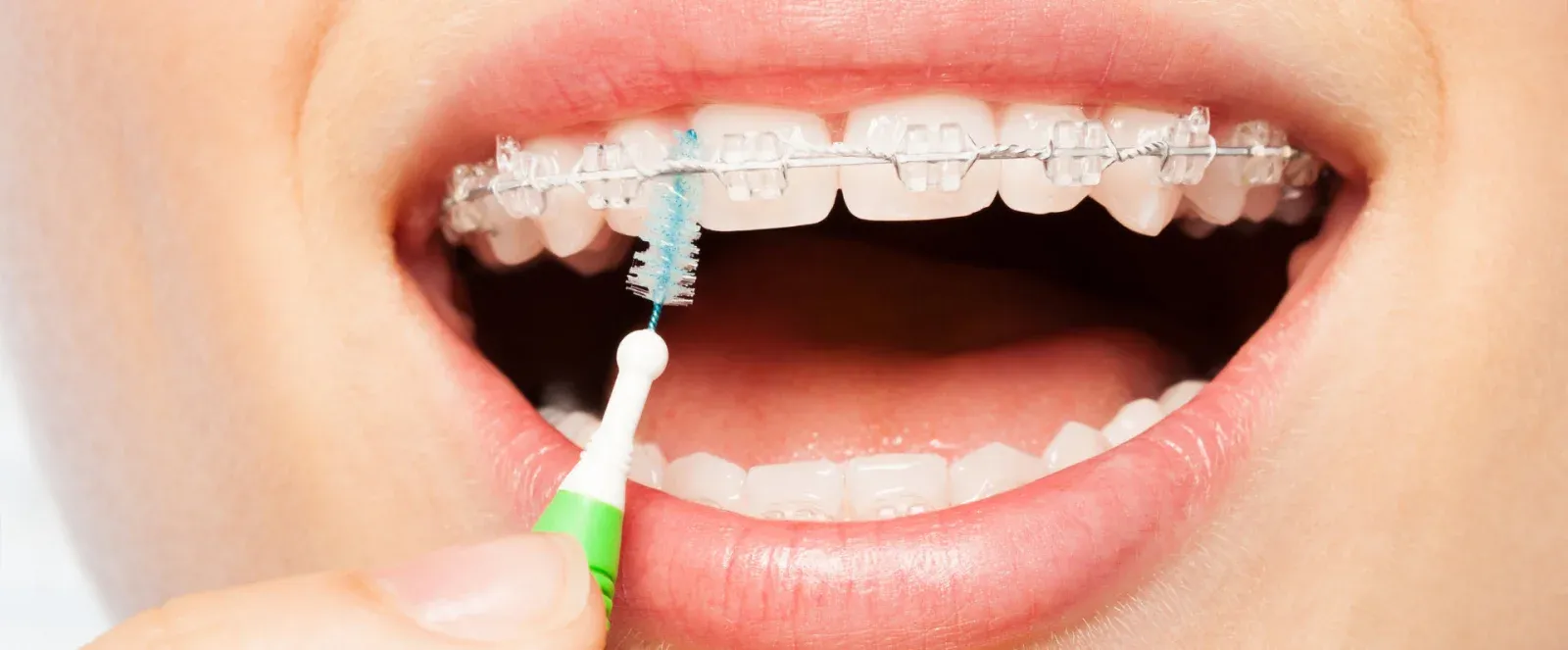
Diet Guidelines During Treatment with Braces
How to eat comfortably and successfully during your orthodontic treatment with braces or aligners
Read articleFeatured
Oral Hygiene for Braces Wearers
Tips for effective oral hygiene with braces: avoid tooth decay, white spots, and inflammation. Keep your teeth and braces healthy throughout the treatment.
Read articleFeatured
Teeth Correction for Adults and Seniors
Find out how clear aligners, lingual braces or fixed braces can also correct aesthetic and functional problems later in life.
Read articleFeatured
CBCT in Orthodontics Frankfurt | Precise 3D Diagnostics & Planning
Find out why cone beam computed tomography (CBCT) is crucial for your teeth straightening. Precise, with a low radiation dose at Hakim Healthcare Frankfurt.
Read articleFeatured
Aligner Therapy Avoids Tooth Extraction
Gentle aligner therapy is often possible without removing teeth. Learn when extractions can be avoided – get advice from Dr. Hakim in Frankfurt.
Read articleFeatured
Orthodontics vs. Prosthodontics
Orthodontics or prosthetic solutions? Why correcting your teeth with aligners or fixed braces is healthier and more sustainable in the long run.
Read articleFeatured
Aligner Myths at Hakim Healthcare Frankfurt
The aligner mystery – what is actually true? Hakim Aesthetics clears up the most common misconceptions and shows you what aligners can really achieve.
Read articleFeatured
Aligner Tips from Hakim Healthcare Frankfurt
Are you wearing aligners or planning a treatment? The best tips and tricks for a fast, effective and comfortable tooth correction.
Read articleFeatured
Dental Monitoring – Smart Orthodontics
Innovative orthodontics with Dental Monitoring at Hakim Aesthetics in Frankfurt. More precise control, fewer appointments – for efficient tooth correction.
Read articleFeatured
Interdisciplinary Aesthetic Dentistry
Interdisciplinary aesthetic dentistry at your orthodontist - how you benefit from the interdisciplinary collaboration in our Frankfurt practice!
Read articleFeatured
Digital Workflow in Dentistry
AI in dentistry? How is that supposed to work? Find out how you benefit from the digital workflow in dentistry and where its limits are.
Read articleFeatured
Dysgnathia | Causes, Symptoms and Treatment
Dysgnathia refers to a misalignment of the jaw. We explain the causes, the symptoms and the treatment options that are available to you.
Read articleFeatured
Overbite – Causes, Effects and Treatment
Correcting an overbite in Frankfurt – without surgery, without extraction. Dr. Hakim explains causes, effects & all treatment options. ✓ Personal initial consultation
Read articleFeatured
Gaps Between Teeth – Causes and Treatment
A gap between your teeth can look charming. But not everyone likes a gap between their teeth. We explain the treatment options available to you.
Read articleFeatured
Open Bite – Causes and Treatment
Treating an open bite – discreet & effective. Dr. Hakim, orthodontist in Frankfurt, explains all the options: aligners, fixed & removable braces.
Read articleFeatured
Crossbite – Causes and Treatment
A crossbite affects not only your appearance but also the function of your bite considerably. How a crossbite can be prevented and treated.
Read articleFeatured
Dental Splints and Aligners for Every Need
Correct misaligned teeth effectively but discreetly with a clear aligner or a dental splint.
Read articleFeatured
Options for Teeth Correction
A radiant smile adds a great deal to your self-confidence. Hakim Aesthetics orthodontics shows you the right solution for your teeth correction.
Read articleFeatured
Permanent Retainer: Lasting Tooth Correction
To make sure a tooth correction leads to lasting results, we use retainers. We explain what retainers are and when they are used.
Read articleFeatured
How Misaligned Teeth Can Be Treated
Misaligned teeth are widespread and disturb the visual appearance. We explain how they can be treated.
Read articleFeatured
Braces for Adults - Our Service
Braces for adults in Frankfurt – discreet & modern. Dr. Hakim offers fixed brackets, lingual braces & aligners. ✓ Arrange your consultation now.
Read articleFeatured
Straight Teeth for Adults
Straight teeth for adults in Frankfurt – with clear aligners or braces. Dr. Hakim advises you personally. ✓ Discreet, fast & without extraction.
Read article