Featured
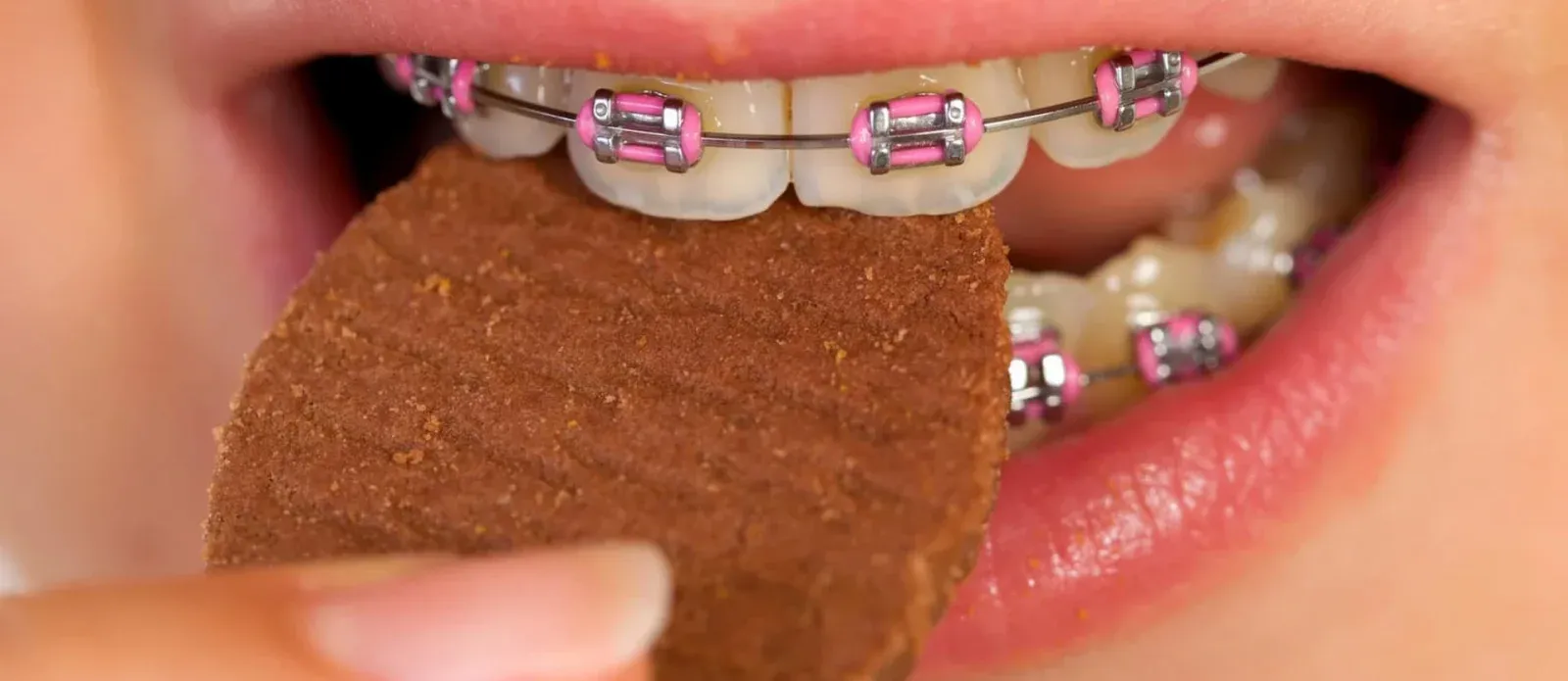
Diet Guidelines During Treatment with Braces
How to eat comfortably and successfully during your orthodontic treatment with braces or aligners
Read article



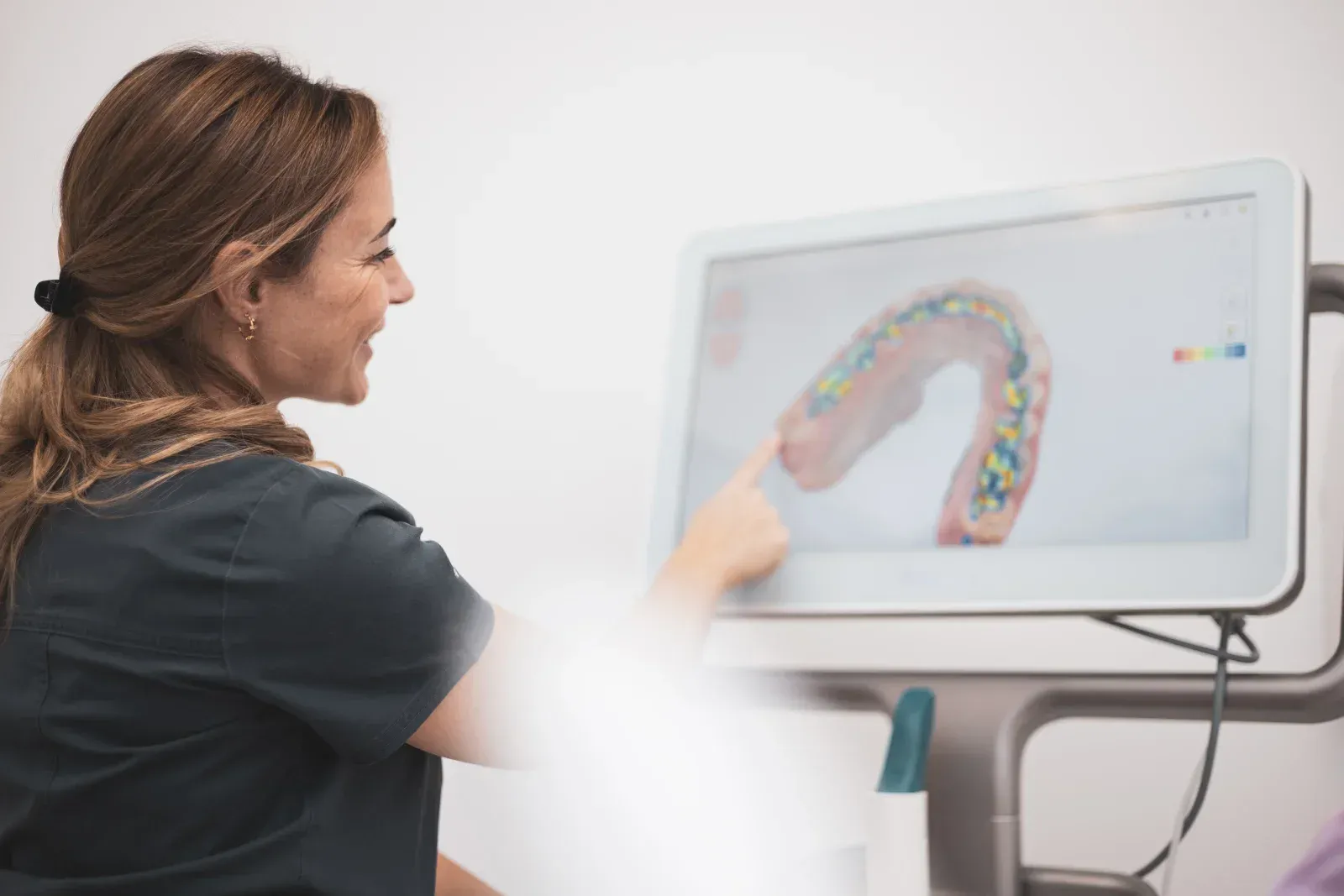
No gagging, no impression material: the 3D scan at Hakim Healthcare Frankfurt captures your teeth & jaws precisely in minutes. Book your appointment now!
Modern orthodontics is being transformed by digital technology – and the 3D scan is at its center. In high-quality orthodontic practices like Hakim Healthcare in Frankfurt, the 3D scan has long been standard and sets new benchmarks in comfort, precision and efficiency for aesthetically minded patients, families and working professionals. But how does a 3D scan in orthodontics actually work, what are the advantages over conventional impression techniques, and how do you and your smile benefit from digitally guided workflows?
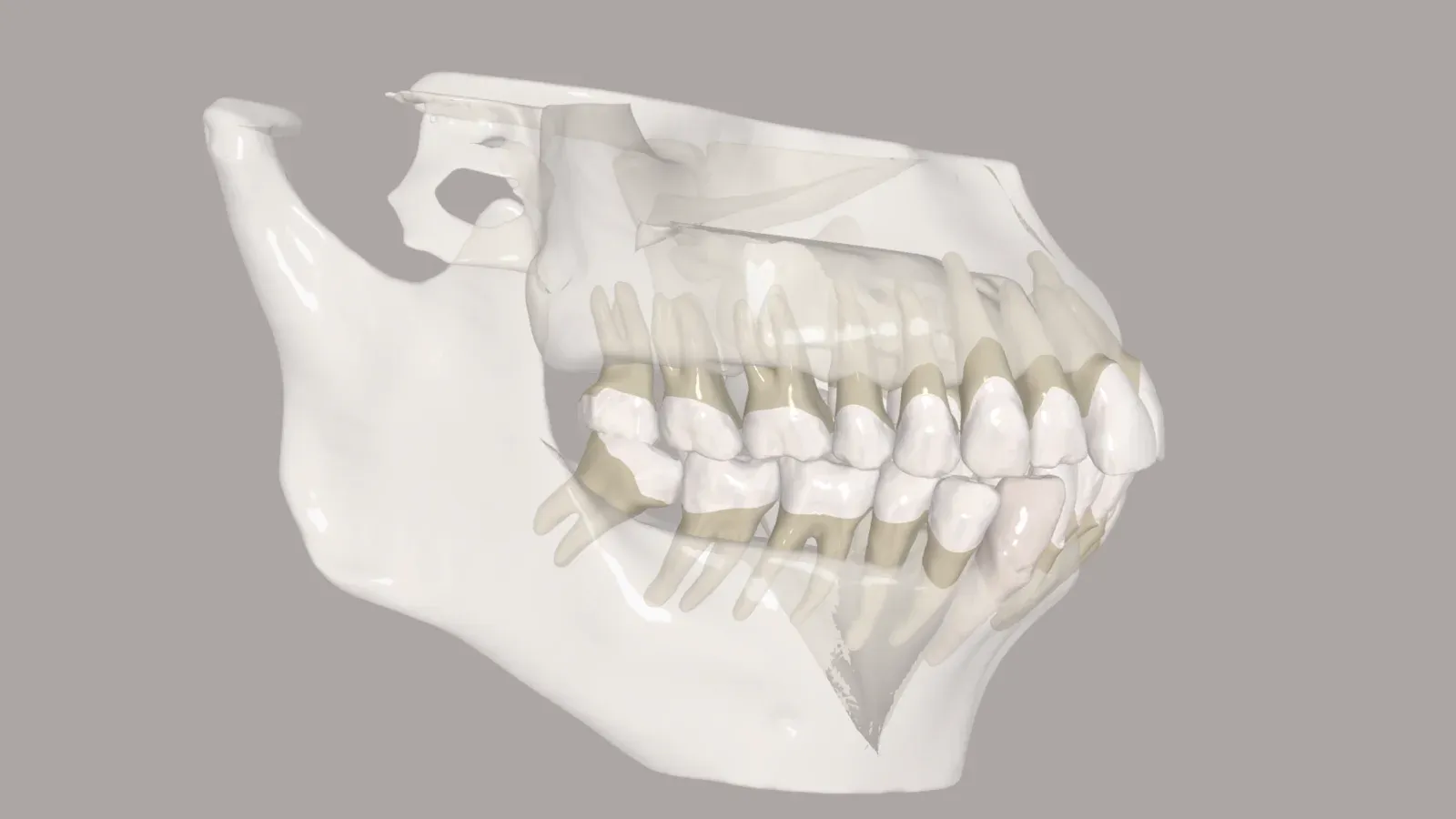
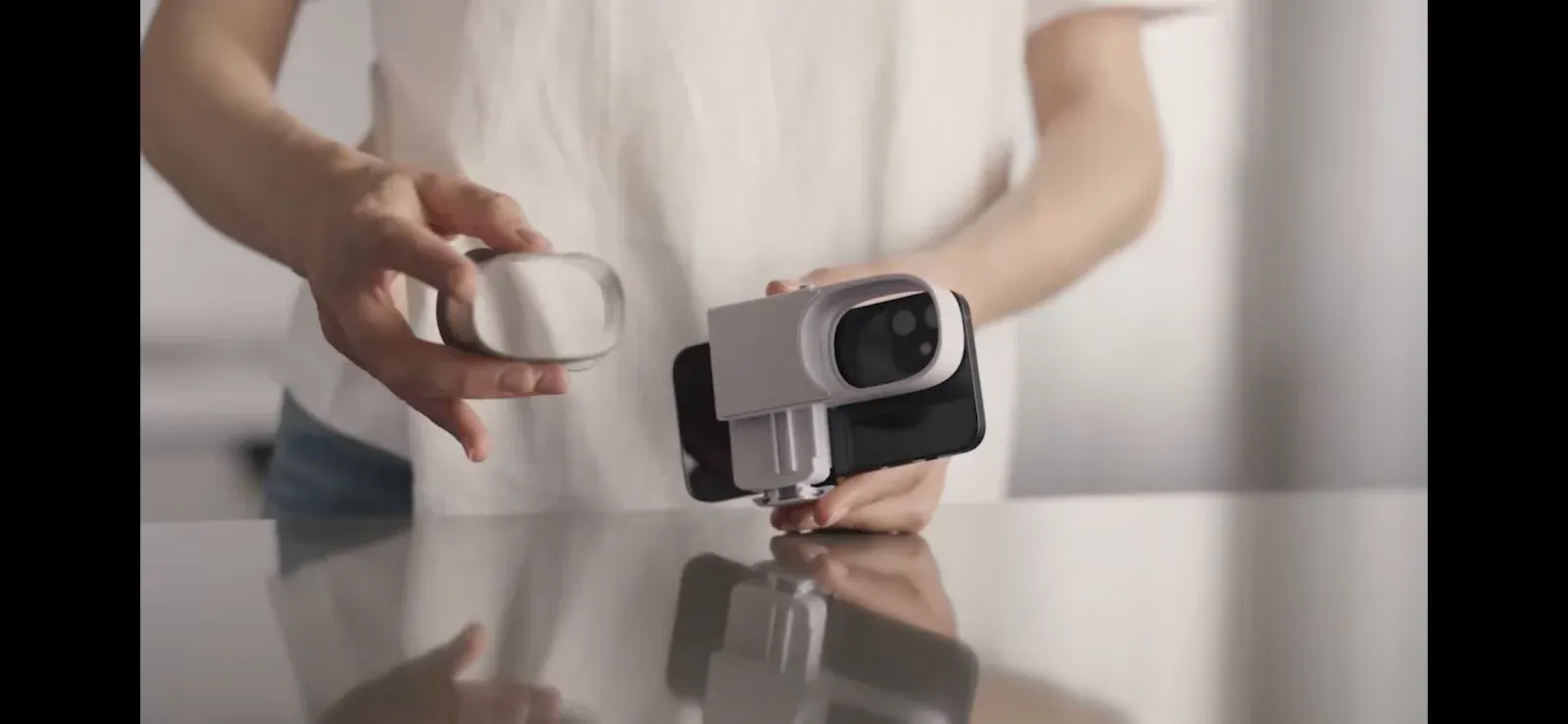
Instead of unpleasant impression material, state-of-the-art intraoral scanner technology is used today. A small, ergonomic handpiece glides gently through your mouth and, using high-resolution sensors and cameras, records thousands of individual images of your teeth, your jaw and your bite relationships. The data is assembled in real time into a virtual 3D model that reproduces detail after detail with millimeter accuracy – and you can follow the process live on the monitor.
The result: a contact-free, lightning-fast scan that captures every surface precisely. This technique provides a precise basis for solutions tailored exactly to you: from custom-fit aligners and removable appliances to fixed or invisible lingual braces. For patients with a gag reflex, material intolerances or anxiety, the 3D scan in orthodontics is a real game changer.
The analog impression – for a long time the standard in orthodontics – is prone to errors and stressful for many patients. The reason: the impression material is placed into the mouth, which can cause discomfort, gagging or material inclusions. The conventional technique also carries the risk of air pockets, distortion or inaccurate margins – in the worst case, repeat impressions are needed.
The 3D scan sets new standards:
Digital models are free of the typical sources of error and can be archived, simulated or adjusted as often as needed. Subsequent corrections and simulations are possible in just a few clicks – which speeds up and simplifies the entire orthodontic process.
The result: no aftertaste, no gagging, no stress – a digital workflow that puts your daily life and your well-being at the center.
The 3D scan in orthodontics delivers on everything that matters to patients and practice teams alike:
For families, working professionals and anyone with a busy schedule in particular, this means clearly plannable appointments, faster results and an entirely new treatment experience.
At the heart of the digital workflow is the connection between 3D models and modern software.
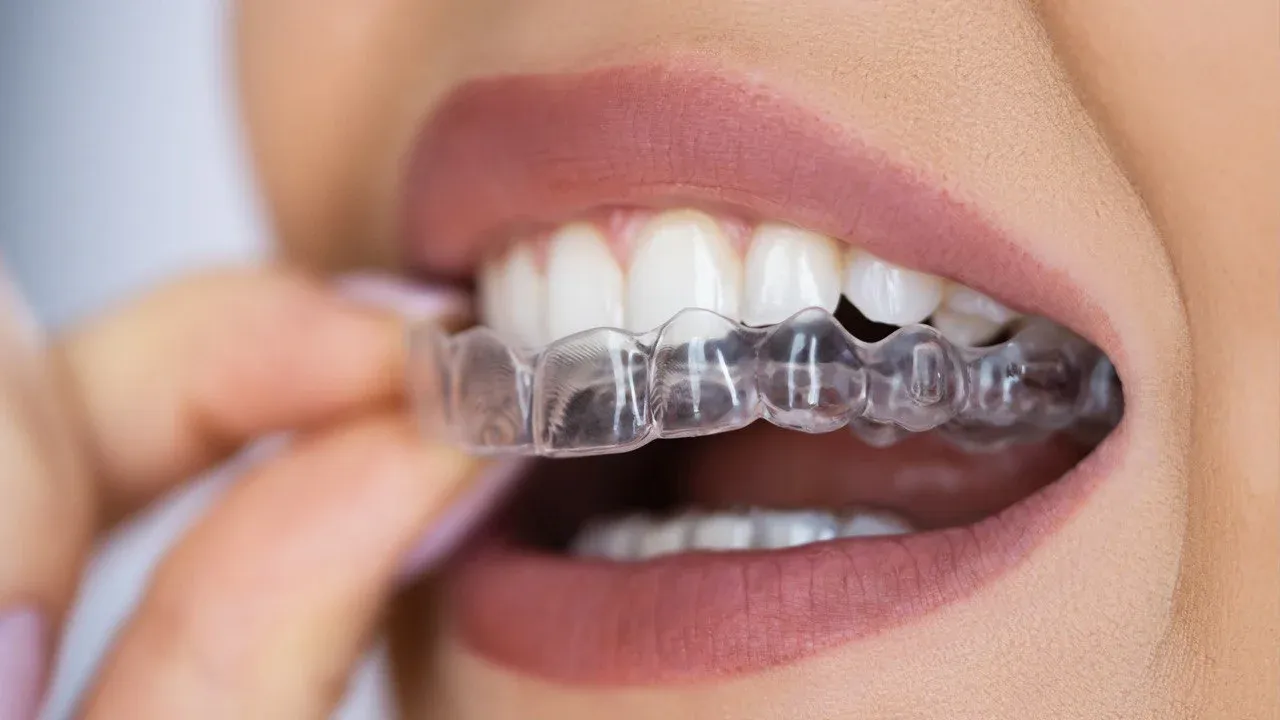
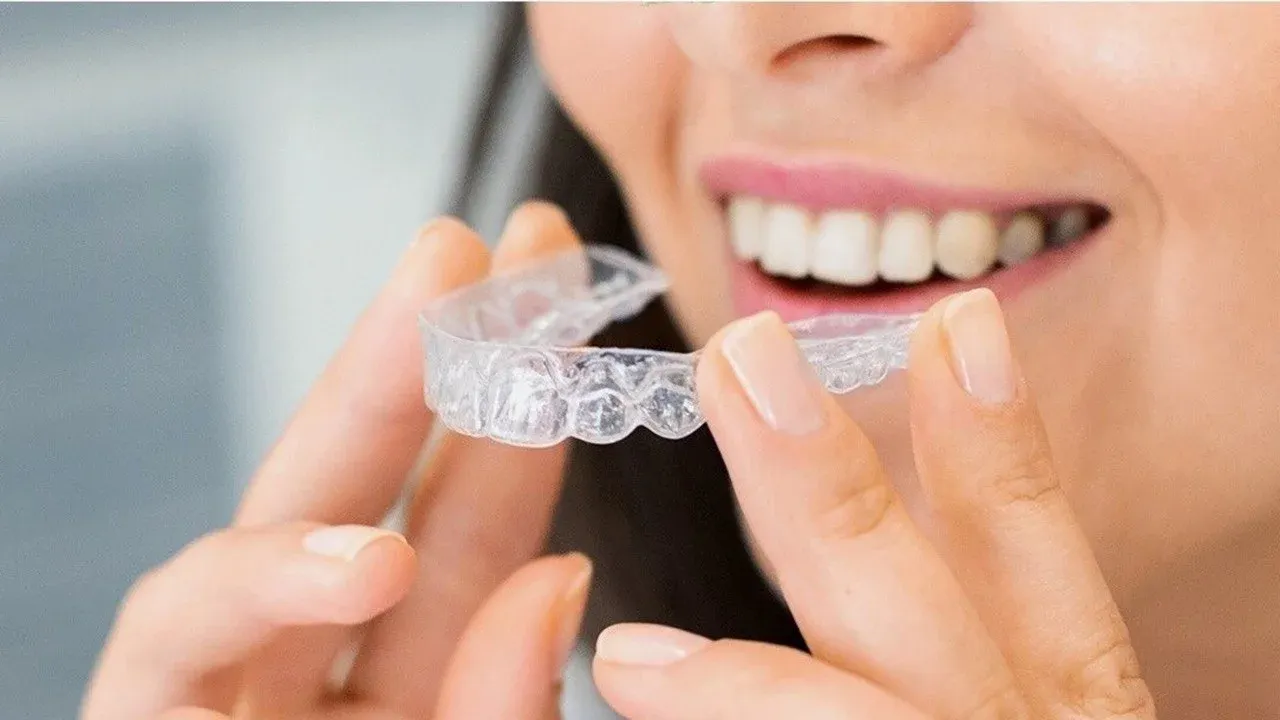
Aligner therapy (e.g. Invisalign) in particular benefits from the digital 3D workflow:
For fixed and lingual braces, the digital scan means:
Even in complex cases such as TMD (temporomandibular joint disorders), the digital workflow supplies reliable data for diagnostics, bite analysis and custom splint fabrication.
The most advanced 3D scanners in orthodontics combine high-resolution sensors, artificial intelligence, self-learning software and secure interfaces to laboratories and CAM systems.
Every advance is integrated into the practice without delay for the benefit of patients – with hygiene, patient comfort and precision as the guiding principles at Hakim Healthcare.
3D scanning in orthodontics pays off for you as a patient and economically as well:
The digital transformation in orthodontics raises comfort, precision and patient well-being to a new level. Anyone who values hygiene, efficiency and state-of-the-art treatment chooses the advantages of a 3D scan today:
Hakim Healthcare stands for medical excellence, digital expertise and empathetic support at every step. Experience contemporary orthodontics – for joy in life, self-confidence and a smile you can show at any time.
The intraoral scanner captures the surfaces of your teeth and jaws without any contact. After just a few minutes, a precise digital 3D model is ready – with no impression material, usually low in discomfort and comfortable.
Yes – every detail, edge and contact point is reproduced with millimeter accuracy. Errors caused by impression material, material intolerance or movement are largely avoided.
All 3D scans, models and treatment data are archived securely. That way, comparisons, corrections or later adjustments remain possible at any time without difficulty.
This is exactly where 3D scanners and AI-supported software show their strengths: they allow detailed bite analysis, splint fabrication and optimized therapy planning.
Short treatment times, no unpleasant impressions, precise planning and maximum transparency – along with the certainty that a smile you feel good about is the focus.
Would you like to experience state-of-the-art orthodontics? Discover 3D scanning, digital diagnostics and innovative treatment at Hakim Healthcare in Frankfurt – for the most comfortable, transparent and efficient orthodontics. Your smile deserves the latest technology and personal support.
Featured
Diet Guidelines During Treatment with Braces
How to eat comfortably and successfully during your orthodontic treatment with braces or aligners
Read articleFeatured
Oral Hygiene for Braces Wearers
Tips for effective oral hygiene with braces: avoid tooth decay, white spots, and inflammation. Keep your teeth and braces healthy throughout the treatment.
Read articleFeatured
Teeth Correction for Adults and Seniors
Find out how clear aligners, lingual braces or fixed braces can also correct aesthetic and functional problems later in life.
Read articleFeatured
CBCT in Orthodontics Frankfurt | Precise 3D Diagnostics & Planning
Find out why cone beam computed tomography (CBCT) is crucial for your teeth straightening. Precise, with a low radiation dose at Hakim Healthcare Frankfurt.
Read articleFeatured
Aligner Therapy Avoids Tooth Extraction
Gentle aligner therapy is often possible without removing teeth. Learn when extractions can be avoided – get advice from Dr. Hakim in Frankfurt.
Read articleFeatured
Orthodontics vs. Prosthodontics
Orthodontics or prosthetic solutions? Why correcting your teeth with aligners or fixed braces is healthier and more sustainable in the long run.
Read articleFeatured
Aligner Myths at Hakim Healthcare Frankfurt
The aligner mystery – what is actually true? Hakim Aesthetics clears up the most common misconceptions and shows you what aligners can really achieve.
Read articleFeatured
Aligner Tips from Hakim Healthcare Frankfurt
Are you wearing aligners or planning a treatment? The best tips and tricks for a fast, effective and comfortable tooth correction.
Read articleFeatured
Dental Monitoring – Smart Orthodontics
Innovative orthodontics with Dental Monitoring at Hakim Aesthetics in Frankfurt. More precise control, fewer appointments – for efficient tooth correction.
Read articleFeatured
Interdisciplinary Aesthetic Dentistry
Interdisciplinary aesthetic dentistry at your orthodontist - how you benefit from the interdisciplinary collaboration in our Frankfurt practice!
Read articleFeatured
Digital Workflow in Dentistry
AI in dentistry? How is that supposed to work? Find out how you benefit from the digital workflow in dentistry and where its limits are.
Read articleFeatured
Dysgnathia | Causes, Symptoms and Treatment
Dysgnathia refers to a misalignment of the jaw. We explain the causes, the symptoms and the treatment options that are available to you.
Read articleFeatured
Overbite – Causes, Effects and Treatment
Correcting an overbite in Frankfurt – without surgery, without extraction. Dr. Hakim explains causes, effects & all treatment options. ✓ Personal initial consultation
Read articleFeatured
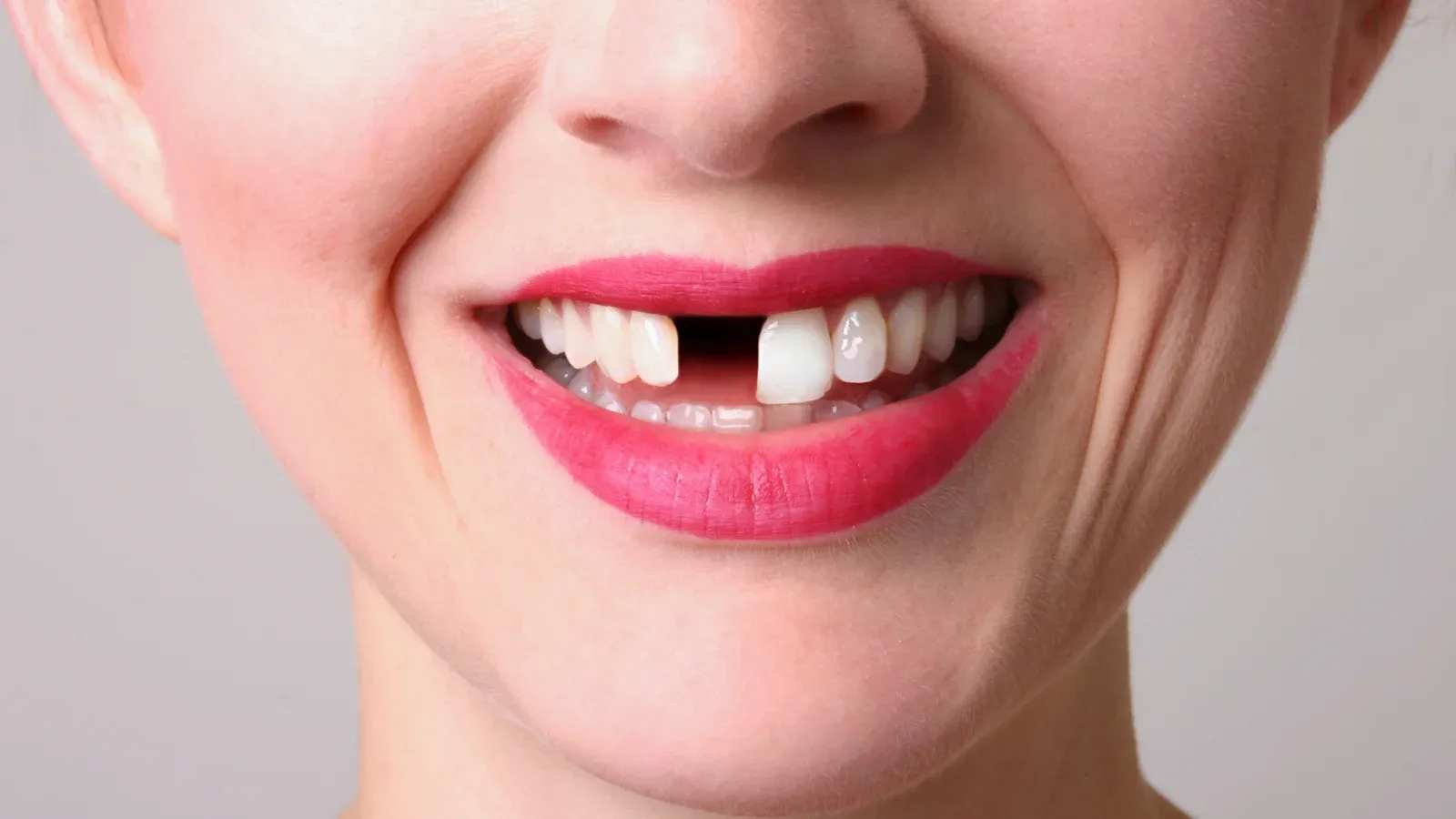
Gaps Between Teeth – Causes and Treatment
A gap between your teeth can look charming. But not everyone likes a gap between their teeth. We explain the treatment options available to you.
Read articleFeatured
Open Bite – Causes and Treatment
Treating an open bite – discreet & effective. Dr. Hakim, orthodontist in Frankfurt, explains all the options: aligners, fixed & removable braces.
Read articleFeatured
Crossbite – Causes and Treatment
A crossbite affects not only your appearance but also the function of your bite considerably. How a crossbite can be prevented and treated.
Read articleFeatured
Dental Splints and Aligners for Every Need
Correct misaligned teeth effectively but discreetly with a clear aligner or a dental splint.
Read articleFeatured
Options for Teeth Correction
A radiant smile adds a great deal to your self-confidence. Hakim Aesthetics orthodontics shows you the right solution for your teeth correction.
Read articleFeatured
Permanent Retainer: Lasting Tooth Correction
To make sure a tooth correction leads to lasting results, we use retainers. We explain what retainers are and when they are used.
Read articleFeatured
How Misaligned Teeth Can Be Treated
Misaligned teeth are widespread and disturb the visual appearance. We explain how they can be treated.
Read articleFeatured
Braces for Adults - Our Service
Braces for adults in Frankfurt – discreet & modern. Dr. Hakim offers fixed brackets, lingual braces & aligners. ✓ Arrange your consultation now.
Read articleFeatured
Straight Teeth for Adults
Straight teeth for adults in Frankfurt – with clear aligners or braces. Dr. Hakim advises you personally. ✓ Discreet, fast & without extraction.
Read article